Jeju obunjagi, once yielding 159 tonnes annually, now at 2–3 tonnes; 220,000 juveniles released
- Input
- 2026-11-03 16:39:23
- Updated
- 2026-11-03 16:39:23
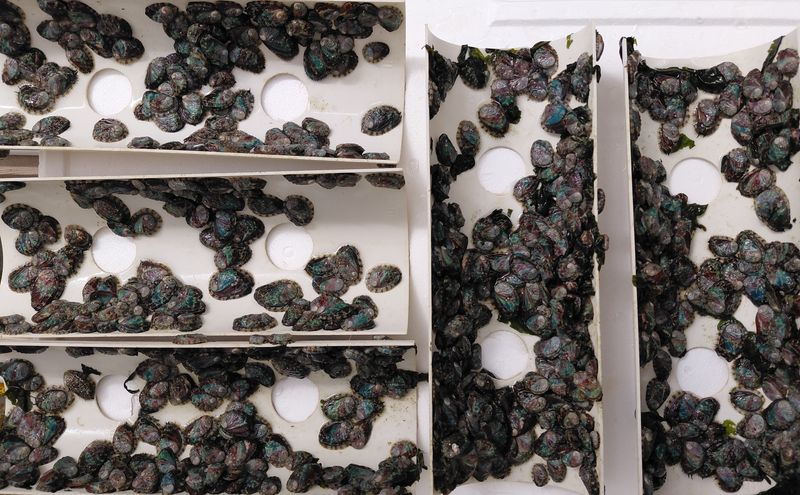
【Financial News, Jeju = Reporter Jeong Yong-bok】 Annual production of Jeju’s locally prized obunjagi, once as high as 159 tonnes, has recently fallen to around 2–3 tonnes. To restore stocks, Jeju Province will release 220,000 juveniles at eight village fishing grounds and expand support for private-sector seed production.
According to the Jeju Special Self-Governing Province Marine and Fisheries Research Institute, starting on the 3rd, it will release 220,000 juvenile obunjagi at eight village fishing grounds in the province over about two weeks. Including the 140,000 released in the first half of this year, total releases for the year are expected to reach 360,000.
The obunjagi being released this time were raised by the institute from fertilized eggs it collected last July. The project involves releasing juveniles into village fishing grounds to encourage them to grow and reproduce in the wild, thereby enhancing fisheries resources.
Obunjagi, the main ingredient in “obunjagi hot pot,” a traditional Jeju dish, was once a major source of income for haenyeo divers. However, production in Jeju peaked at 159 tonnes in 1995, then fell to 35 tonnes in 2000 and 27 tonnes in 2010. It dropped to around 1 tonne in 2018 and has remained at just 2–3 tonnes a year in recent years.
The Marine and Fisheries Research Institute began releasing obunjagi juveniles in 2001. From 2010, Jeju Province expanded the program to purchase juveniles produced by private operators and release them.
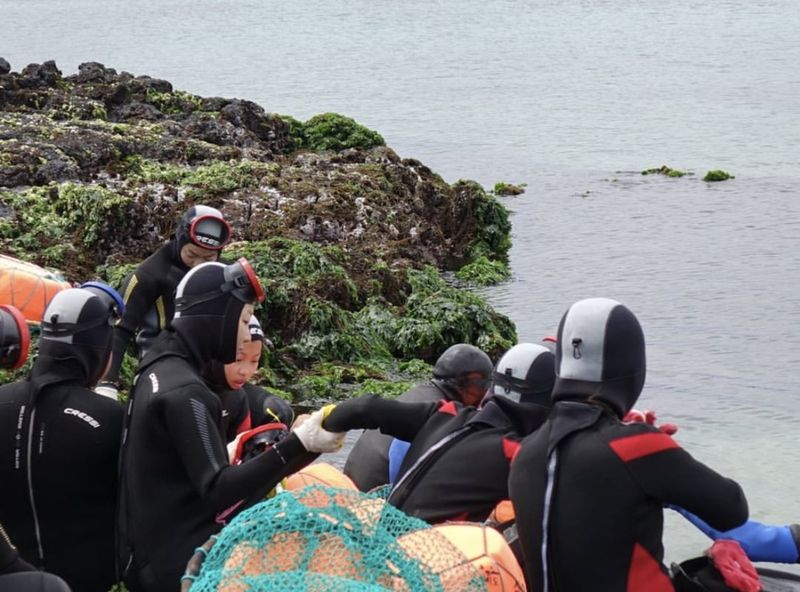
Production has been confirmed to have increased at some village fishing grounds following long-term releases of juveniles. At one ground where the institute has conducted intensive releases since 2012, production rose from 178 kg in 2014 to 1,606 kg in 2024. Reproduction of the released obunjagi has also been confirmed.
However, increased production at a particular fishing ground does not mean that stocks have recovered across the entire Jeju coast. Survival rates at each release site, natural reproduction and long-term changes in production need to be monitored continuously.
Obunjagi is considered a seafood species that inhabits relatively shallow waters and is highly tolerant of warm water. The institute views it as a species for enhancing resources at village fishing grounds, capable of helping address changes in the marine environment caused by climate change and the aging of haenyeo.
The province is also expanding the private-sector production base. It provides aquaculture operators in the province with obunjagi fertilized eggs and starter cultures of attached diatoms, an initial food source, free of charge, and offers technical guidance and training for seed production. Attached diatoms are microalgae that grow on surfaces such as rocks and are used as food for juvenile obunjagi.
Kang Bong-jo, head of the Jeju Special Self-Governing Province Marine and Fisheries Research Institute, said, “Alongside continued releases of juveniles, we will assess the effects of resource enhancement and continue related research,” adding, “Through this, we will contribute to restoring obunjagi stocks and strengthening the income base of haenyeo.”
[email protected] Jeong Yong-bok Reporter