Ruling and Opposition Parties Counter with Livelihood Budget Increases, Vie for Votes on Youth, Rural Communities and Public Safety
- Input
- 2026-11-03 16:38:02
- Updated
- 2026-11-03 16:38:02
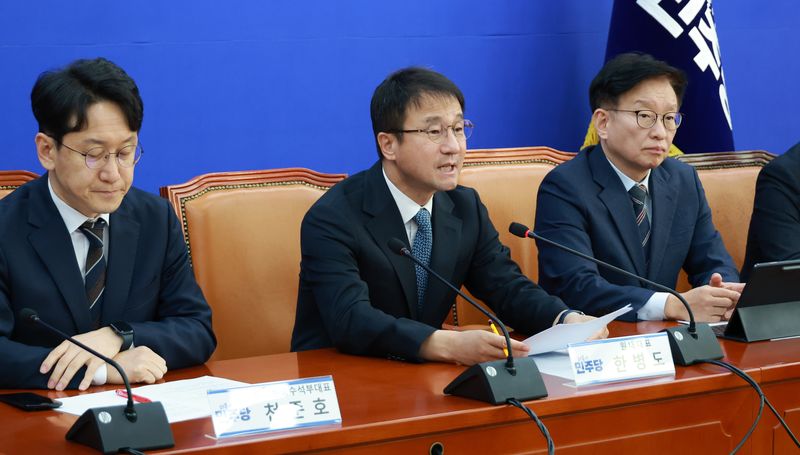
At its floor strategy meeting at the National Assembly that day, the Democratic Party announced plans to increase spending in four areas: revitalizing local economies, bolstering local government finances, education and transport infrastructure, and public safety. Jung Tae-ho, a Democratic Party lawmaker and the ruling party’s coordinator on the National Assembly’s Special Committee on Budget and Accounts, said, “We will expand the budget to increase households’ spending power and revitalize local economies,” adding that the party would boost fiscal investment in local currency vouchers, support for small businesses, jobs, low-income finance and housing stability programs. In agriculture, it will strengthen support for farmers by increasing the Agricultural Land Bank’s farmland purchases and the farmland pension budget for older farmers, and will also provide more financial support to local governments struggling with tax revenue shortfalls under the previous administration. In public safety, it will strengthen the state’s responsibility for firefighting, an area recently embroiled in the “firefighting straw” controversy, while increasing budgets to prevent disappearances and violence-related victimization and to support victims.
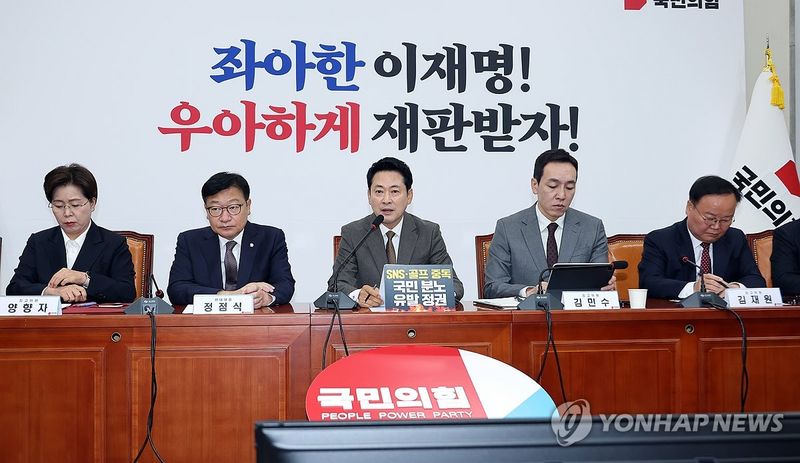
The People Power Party has also moved to expand livelihood spending, but differed from the Democratic Party by putting forward a separate figure for increases while demanding deep cuts to the government’s budget proposal. Party leader Jang Dong-hyeok held a press conference that day and announced the “Budget to Address People’s Livelihood Concerns,” proposing a total increase of 11.5924 trillion won across five areas: youth, public safety, livelihoods, jobs and easing everyday anxieties. The plan includes easing the burden of private university tuition and expanding rent assistance for young people, as well as supporting small business owners and farmers and fishers, improving firefighters’ working conditions and protecting crime victims. The party says it will increase spending on livelihood issues while calling for around 30 trillion won in budget cuts, citing concerns about the government’s 162 trillion won Future Response Fund.
The two parties’ proposed increases overlap considerably, covering farmland purchases and support for firefighters and crime victims, as well as housing and jobs for young people and support for small businesses. In effect, the contest for support among key voter groups—including farmers, young people and the self-employed—has spilled over into budget deliberations. While the Democratic Party is seeking to highlight its governing record by expanding livelihood spending, the People Power Party appears to be trying to secure the policy initiative while avoiding accusations that its major push for cuts is “holding up support for people’s livelihoods.” It is also notable that the party is linking concerns about a public safety vacuum following the abolition of prosecutors’ supplementary investigative powers to funding for crime victim protection, expanding its existing attacks on the ruling party into a livelihood issue.
[email protected] Jiwon Song Reporter