China raises foreign-currency deposit reserve ratio from 4% to 6% amid Chinese yuan (renminbi, RMB) strength, first hike in five years
- Input
- 2026-11-03 15:27:20
- Updated
- 2026-11-03 15:27:20
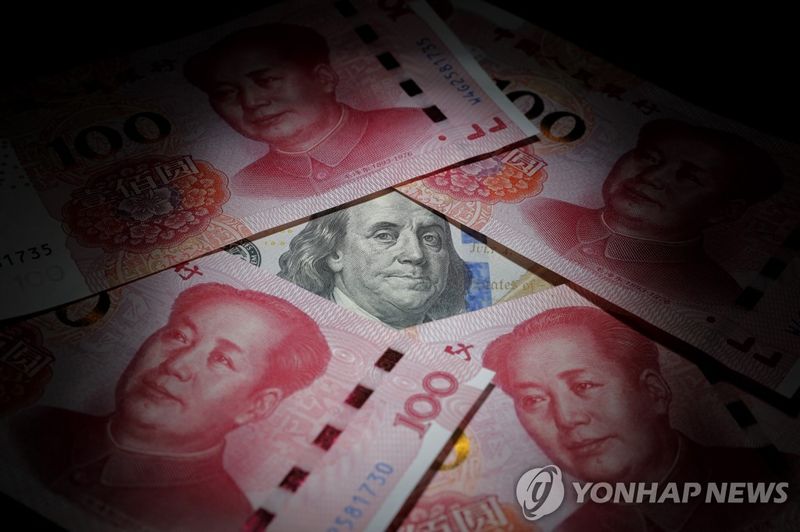
[Financial News] China’s central bank, the People’s Bank of China (PBOC), has adjusted the reserve requirement ratio on foreign-currency deposits held by financial institutions for the first time in more than three years, in response to the yuan’s strength.
On the 3rd, the PBOC announced that, effective from the 15th, it would raise the reserve requirement ratio on foreign-currency deposits held by financial institutions by 2 percentage points, from 4% to 6%.
The PBOC said the measure was “intended to strengthen the management of foreign-currency liquidity at financial institutions.” The move is aimed at curbing a sharp rise in the yuan’s value.
China is adjusting the reserve requirement ratio on foreign-currency deposits for the first time in three years and two months since September 2023, and raising it for the first time in about five years since December 2021.
In 2023, the PBOC lowered the reserve requirement ratio from 6% to 4% to address, among other things, weakness in the yuan.
The increase is expected to absorb about $24 billion in foreign-currency liquidity from China’s financial markets (about 32 trillion won).
The reserve requirement ratio on foreign-currency deposits is the share of such deposits received by financial institutions, including banks, that they are required to place with the central bank.
Raising the ratio reduces the foreign-currency funds available for financial institutions to use, thereby curbing appreciation in the yuan’s value.
The measure is intended to reduce the dollar funds available to commercial banks, curb the yuan’s sharp appreciation and promote exchange-rate stability.
The yuan has appreciated by more than 5% against the USD so far this year, posting one of the largest gains among major Asian currencies.
Robust exports, a large trade surplus and companies’ demand for foreign-currency conversion were seen as factors supporting the yuan’s strength.
The yuan fell after the PBOC’s announcement.
In China’s onshore foreign-exchange market that day, the yuan at one point fell 0.37% against the USD to 6.6728 yuan per dollar.
That was its lowest level since the 23rd of last month.
However, many in the market expect the measure to help moderate the yuan’s sharp appreciation, but believe it will be difficult to reverse the strengthening trend itself.
[email protected] Lee Seok-woo, international affairs correspondent Reporter