Education Ministry selects 8 Jeonnam-Gwangju areas as Education Innovation Leading Regions, the most in the country
- Input
- 2026-11-03 14:46:05
- Updated
- 2026-11-03 14:46:05
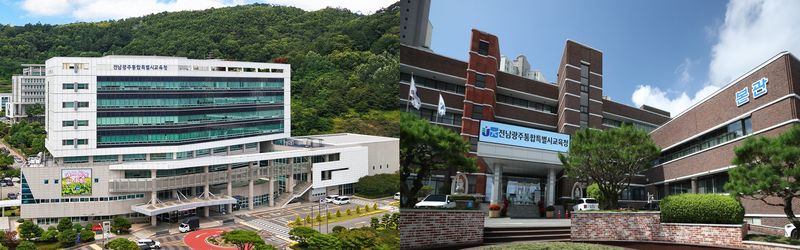
【Financial News, Jeonnam-Gwangju = Reporter Hwang Tae-jong】Eight areas in Jeonnam-Gwangju have been selected in the Ministry of Education’s competition for Education Innovation Leading Regions, an initiative to develop education innovation models reflecting local conditions and characteristics and support region-led educational development. This is the highest number nationwide.
By category, six areas—Gokseong, Goheung, Yeongam County, Yeonggwang, Wando and Jindo—were selected for Type 1 (population-decline areas), while two—Gwangju and Gwangyang—were selected for Type 2 (metropolitan cities outside the capital region, integrated special cities, etc.).
Ahead of the competition, the Jeonnam Gwangju Metropolitan City Office of Education (Gwangju Metropolitan City Office of Education) prepared by establishing a cooperative framework with local governments, regional universities and related organizations to realize “locally produced, locally consumed education,” a key educational direction for the fifth directly elected term.
Superintendent Kim Dae-jung stressed, “The selection of the largest number of regions nationwide is the result of joint efforts by the regions, the education office, schools and local communities.”
With the selection of these eight areas, the Gwangju Metropolitan City Office of Education will secure project funding worth approximately 18 billion won a year, or 90 billion won in total over the next five years. It plans to strengthen administrative and financial support and operational consulting to ensure the funding leads to education innovation projects tailored to local characteristics.
In particular, it plans to provide systematic support—including operating consultative bodies, managing performance and sharing best practices—so that the selected areas can establish stable implementation systems from the initial stages of their projects and bring about tangible changes in schools and other educational settings.
For areas that were not selected, the office plans to closely analyze the competition results, identify areas requiring improvement and develop follow-up support measures suited to local conditions. It also plans to provide preliminary consulting and tailored support so they can apply again to similar future competitions or follow-up projects and sustain local momentum for education innovation.
Superintendent Kim Dae-jung said, “We will actively support the selected areas so their projects can take root and deliver results, and continue supporting the areas that were not selected so they can make improvements and try again based on this experience.”
[email protected] Hwang Tae-jong Reporter