Kidney cancer grows even without oxygen... ‘switch’ that blocks its growth found [Health LAB]
- Input
- 2026-11-04 05:00:00
- Updated
- 2026-11-04 05:00:00
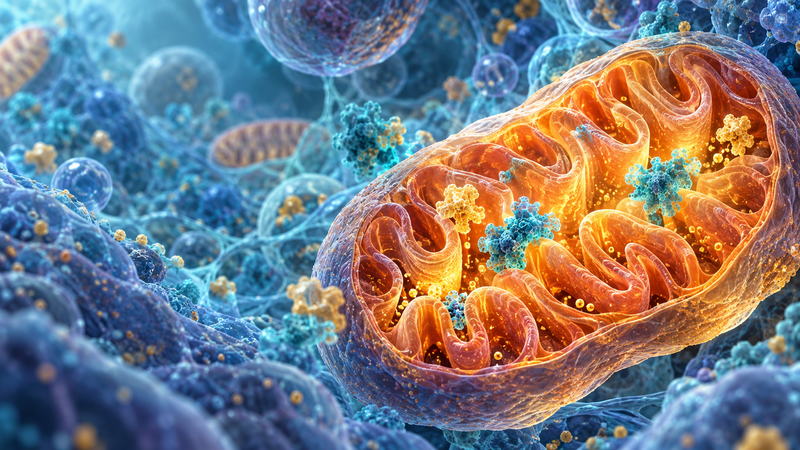
[Financial News] Cancer cells also struggle to survive when oxygen is scarce, but some change how they use nutrients and continue growing even in such conditions. Kidney cancer is particularly adept at adapting, and South Korean researchers have uncovered a new mechanism by which a protein puts the brakes on kidney cancer cell growth. The finding is expected to help in developing targeted therapies that block cancer cells from obtaining the substances they need to grow.
According to the Ulsan National Institute of Science and Technology (UNIST) on the 4th, a team led by Professor Yoon Hye-jin of UNIST’s Department of Biological Sciences found that the oxygen-sensing protein PHD3 enters mitochondria and suppresses the growth of clear cell renal cell carcinoma cells.
Cancerous tissue can easily become oxygen-deprived because the oxygen supply cannot keep pace with rapidly multiplying cancer cells. Clear cell renal cell carcinoma, which accounts for about 70% of kidney cancers, is known to be highly adaptable to such hypoxic conditions.
The study found that PHD3 puts the brakes on cancer cell growth by inhibiting an enzyme called PC inside mitochondria. PC is an enzyme that helps cells grow by replenishing substances consumed during metabolic processes.
In hypoxic conditions, less PHD3 enters the mitochondria, weakening its inhibition of PC and allowing cancer cells to grow more readily. In experiments, reducing PHD3 levels in kidney cancer cells increased PC activity, raised the levels of metabolites needed for growth, and made mitochondrial respiration more active. The cancer cells’ ability to proliferate and migrate also increased.
The researchers also uncovered the details of how PHD3 inhibits PC activity. After entering the mitochondria, PHD3 binds directly to PC and attaches a ‘hydroxyl group,’ made up of oxygen and hydrogen, to a specific site, reducing its activity. Rather than decreasing the amount of PC, this process inhibits its function by inducing a chemical change.
Professor Yoon Hye-jin said, “We confirmed that PHD3, which was previously thought to act mainly in the cytoplasm, also enters the mitochondria and directly suppresses cancer cell metabolism.” She added, “This means that not only the amount of a cancer-suppressing protein but also its location within the cell is important, and the findings will provide foundational data for research into kidney cancer treatment strategies that leverage the regulatory relationship between PHD3 and PC.”
The findings were published online on September 2 in the international journal Experimental & Molecular Medicine.
[email protected] Yeon Ji-an Reporter