JTBC drops stalking-horse route and makes bold move with open sale; notice could be issued as early as next week [fn Market Watch]
- Input
- 2026-11-03 14:08:01
- Updated
- 2026-11-03 14:08:01
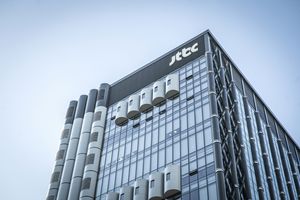
[Financial News] JTBC, which is undergoing corporate rehabilitation proceedings, will pursue a sale through an open competitive bidding process rather than a stalking-horse arrangement that secures a conditional prospective buyer. Instead of naming a buyer in advance to ensure transaction stability, the plan is to raise the company’s value through competition among multiple prospective bidders. However, whether the sale will attract strong interest depends on how rehabilitation debt resolution and ownership restrictions under the Broadcasting Act interact.
According to investment banking (IB) industry sources on the 3rd, JTBC applied to the Seoul Rehabilitation Court that day for approval of a draft sale notice and guidelines for submitting letters of intent (LOIs). If the court approves, JTBC will issue a sale notice as early as the beginning of next week and begin accepting LOIs and conducting preliminary due diligence. Ernst & Young Hanyoung is advising on the sale.
The sale method is a notable aspect. A stalking-horse arrangement reduces the risk of a failed sale by securing a conditional prospective buyer in advance. Open competitive bidding, by contrast, can encourage price competition, but securing actual prospective buyers and their ability to raise funds will determine the transaction’s success. JTBC is currently in contact with multiple potential bidders, but specific acquisition terms have not been finalized.
The deal structure is also drawing interest. Since this is an M&A transaction before approval of a rehabilitation plan, a widely discussed option is to reduce existing share capital and bring in new funds through a third-party allotment of new shares, then use the funds to resolve rehabilitation debts. The actual buyer would have to provide not only the purchase price for the stake but also the funds needed to repay creditors and restore the business to normal operations. Ownership restrictions under the Broadcasting Act are another variable. The general limit on an individual’s stake in a general programming channel is 40%, while separate restrictions apply to large business groups and newspaper companies, among others. This has prompted speculation that a consortium involving strategic investors (SIs) and financial investors (FIs) could acquire the company. Approval from broadcasting authorities is also required if the largest shareholder changes.
A source in the investment banking industry pointed out, “In a sale of a company under rehabilitation, repayment to creditors and securing working capital after the acquisition may be more important factors than the purchase price,” adding, “JTBC is also subject to ownership restrictions specific to the broadcasting business, so a prospective buyer’s financial capacity and ability to form a consortium will be key to the acquisition contest.”
Meanwhile, JTBC entered rehabilitation proceedings at the end of August after a liquidity crisis emerged following difficulties repaying electronic short-term bonds last June. The deadline to file rehabilitation claims is the 6th, and the deadline to submit a rehabilitation plan is January 29 next year. Whether price competition through open bidding leads to an actual buyer is expected to be pivotal to the sale.
[email protected] Kim Kyung-ah Reporter