Shoot, borrow, learn... Camera makers use hands-on experiences to win over existing customers
- Input
- 2026-11-03 14:58:47
- Updated
- 2026-11-03 14:58:47
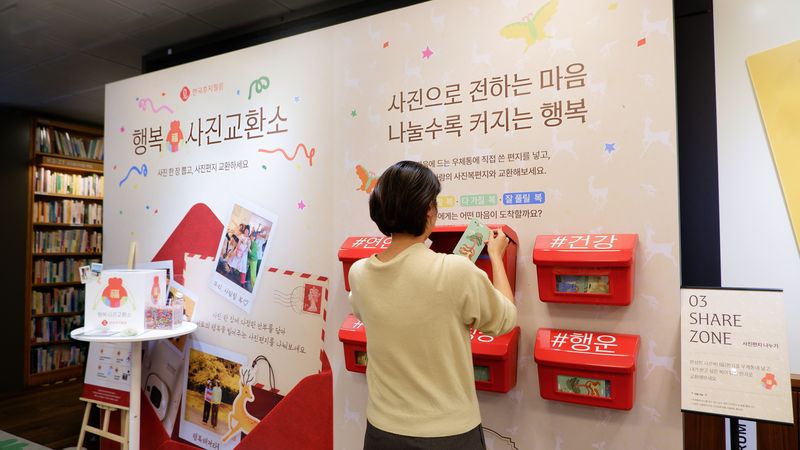
[Financial News] Camera makers are expanding their points of contact with users by emphasizing experiences that let them take photos and learn for themselves, including pop-up stores, free rentals and photography classes. In an era when people can easily take everyday photos with smartphones, the industry is moving beyond simply explaining camera performance and seeking to let people experience the appeal of brands and products through the process of taking pictures.■From taste profiles to photo letters... A wider range of hands-on experiencesAccording to industry sources on the 3rd, FUJIFILM Korea is running its Photo Bok Festa—Happy Photo Exchange pop-up store at the Gwanghwamun Branch of Kyobo Book Centre through the 16th. Visitors can take or print photos using Instax cameras or self-service photo-printing kiosks, write messages to make them into letters, and exchange them with other visitors. The strategy is to connect photography culture with the brand by letting people first experience taking and sharing photos without having to buy a new camera. FUJIFILM Korea has also been running a program that lends out cameras and lenses free of charge for three days and two nights for 10 years.
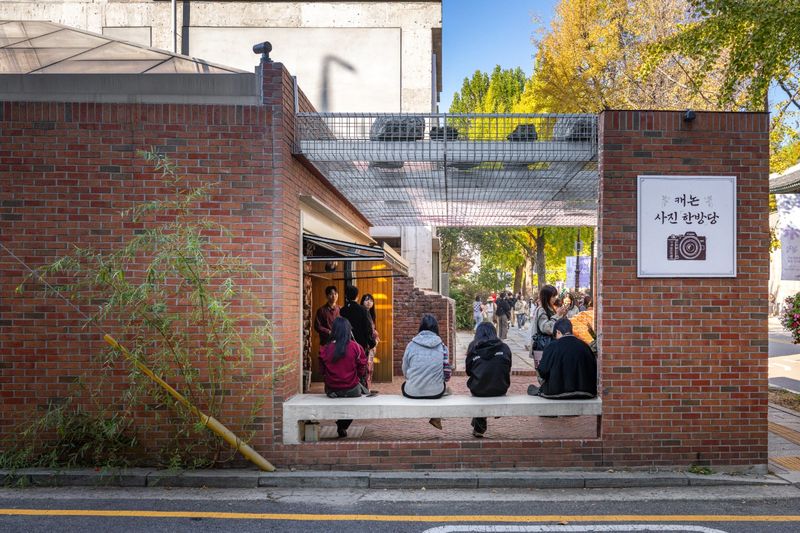
Canon Korea Inc. held its interactive pop-up, Canon Photo Hanbangdang, in Seochon, Seoul, from the 23rd of last month through the 1st. Visitors could assess their photographic tastes—landscapes, fleeting moments, objects and impressions, for example—and try taking photos themselves with cameras and lenses suited to their preferences. The company also offered photo outings, including walks around Seochon and night photography. Rather than simply displaying products, the pop-up was designed to let visitors experience the entire process, from taking photos to printing the results. Around 8,000 people visited the pop-up during its 10-day run, drawing considerable interest.
In addition to pop-up stores, the industry is using a variety of experiential marketing initiatives. Sony Korea has run Alpha Academy, which includes classes by photographers, since 2014. It provides classes and practice spaces where participants can learn camera operation and photography techniques, from beginner to advanced levels. More recently, it also renovated its Apgujeong store and expanded the space for trying out cameras. Visitors can use cameras and lenses in person at the store and get advice on lenses that suit the camera body they own.
Nikon Imaging Korea Co., Ltd. also offers photography classes through Nikon School, and has arranged in-person practical classes and online courses this month. In May, it also set up a hands-on space at KOBA 2026, an international broadcasting and media exhibition, where visitors could try cameras and lenses for themselves. While pop-ups target general users’ tastes and everyday experiences, exhibitions and classes place greater emphasis on helping video creators and photography enthusiasts improve their skills and explore equipment.
Although choices of lenses and adapters mean that switching brands is not entirely out of the question, users who have built up equipment within one brand’s ecosystem face costs and inconvenience when moving to another. In this respect, experiential events are seen as easing the burden of choosing a first camera and giving existing users a reason to explore lenses and photography techniques.
An industry official said, “Experiential marketing such as pop-up stores may not lead to sales right away, but it works well as a channel for connecting customers with brands.” The official added, “If the brand also offers a community experience where people learn photography and share their work, that could increase the likelihood of repeat visits and additional equipment purchases.”
The industry is expected to continue expanding its points of contact with customers through pop-up stores, photography classes, photo outings and free rentals. The strategy is seen as a way to encourage long-term use and strengthen brand loyalty by connecting the entire journey—from choosing a first camera and learning how to use it to adding lenses and building photography experience.
A Canon Korea Inc. official said, “We believe experiential events are meaningful because they allow users to try products for themselves and communicate naturally with the brand.” The official added, “We plan to continue offering programs that help customers of different ages feel more at ease with photography and cameras.”
A Sony Korea official said, “Our goal is to help people learn how to use cameras and make good use of them wherever they are in the country.” The official added, “We will continue publishing online content and expand opportunities to try cameras through our permanent stores in the Seoul metropolitan area.”
[email protected] Yoon Hong-jip Reporter