Parents were perpetrators in 81% of child abuse cases handled by Jeju agency ... Linking children to treatment and family recovery is a task
- Input
- 2026-11-03 10:36:54
- Updated
- 2026-11-03 10:36:54
【Financial News, Jeju = Reporter Jeong Yong-bok】 Of the 237 child abuse cases assessed last year, as reported by the Jeju Special Self-Governing Province Child Protection Agency, parents were the perpetrators in 192, accounting for 81%. Cooperation between medical institutions and the community to identify children affected by abuse early and connect them with treatment, protection and family recovery support was identified as a key task.
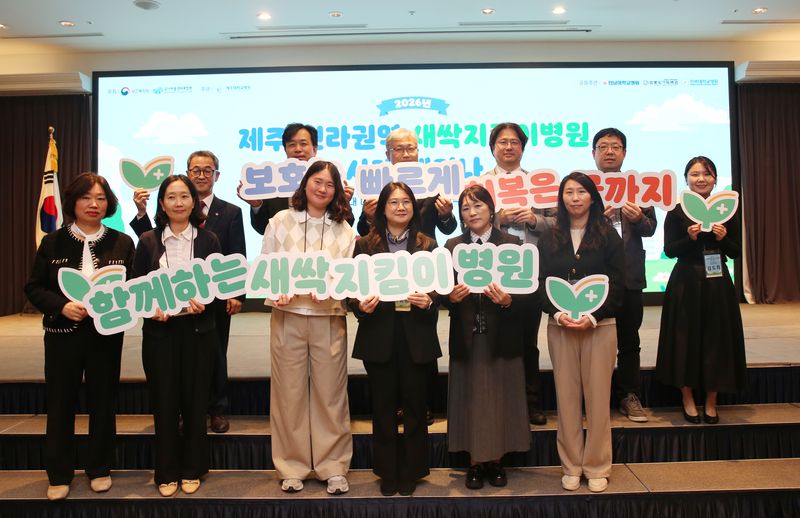
According to Jeju National University Hospital and the National Center for the Rights of the Child on the 3rd, the 2026 Jeju–Jeolla Regional Sprout Guardian Hospital Case Seminar was held at Maison Glad Hotel in Jeju City on October 30. It was hosted by the National Center for the Rights of the Child and organized by Jeju National University Hospital, with Chonnam National University Hospital, Yeonggwang Christian Hospital and Jeonbuk National University Hospital participating jointly.
About 100 people attended the seminar, including medical professionals from the Jeju and Jeolla regions, local government officials responsible for child abuse cases, police officers, education office officials and representatives of child protection agencies. They shared how their institutions respond to suspected child abuse, from early detection and medical assessment to protecting children affected by abuse and supporting their recovery.
Reports of child abuse in Jeju are higher than the national average. According to the Jeju Provincial Police Agency, 675 reports related to child abuse were made to 112 in 2025, up from 480 in 2024. Jeju recorded 101 reports per 100,000 people, above the national average of 71.
Responding to abuse within the home was also a key topic. Choi Jeong-yun, head of the Case Management Team at the Jeju Special Self-Governing Province Child Protection Agency, said parents were the perpetrators in 192 of the 237 abuse cases assessed last year. The aim is to provide tailored intervention and protection for each family while also supporting improvements in parenting methods.
The agency supports children affected by abuse and helps parents improve their parenting methods through its “Knock Knock! Heart-to-Heart!” program. This home-visiting family recovery support program assesses the home environment and connects families with needed services even after the child has received treatment.
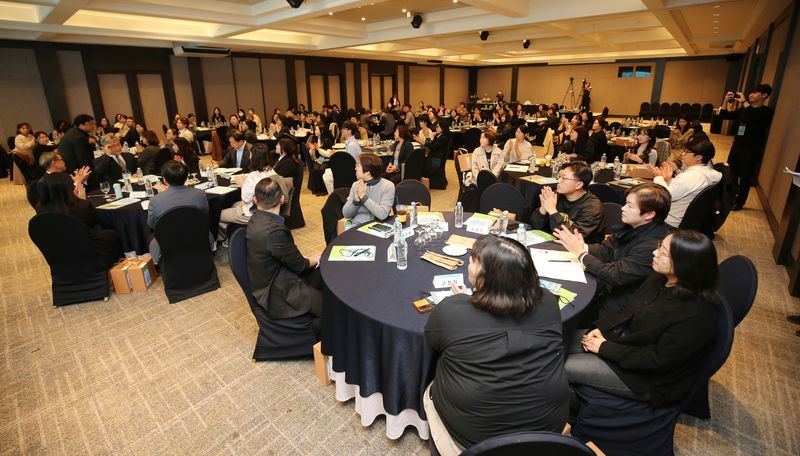
The role of medical institutions was also emphasized. Kang Hyeon-sik, chair of the Child Protection Committee at Jeju National University Hospital and a professor of pediatrics, shared experiences of multiple departments—including pediatrics, psychiatry, ophthalmology and neurosurgery—working together on child abuse cases. The approach links medical professionals’ expert assessments and treatment with support from the police, local governments, schools and child protection agencies.
Sprout Guardian Hospitals, designated medical institutions for child abuse, provide medical care and counseling for children suspected of being abused, medical advice, and support for the physical and mental recovery of children affected by abuse. In Jeju, Jeju National University Hospital operates the region-wide Sprout Guardian Hospital. It works with 12 local Sprout Guardian Hospitals in Jeju City and Seogwipo City.
The police’s joint response system was also introduced. Ko Gwon-hwi, head of the Women’s Protection Section at the Jeju Provincial Police Agency, said that the police, local governments, medical institutions, child protection agencies and civil society groups work together through the Jeju Sheriff System (JSS). Under the system, relevant agencies coordinate medical, housing and counseling support needed by victims of crimes such as child abuse.
Jeju National University Hospital, Chonnam National University Hospital, Yeonggwang Christian Hospital and Jeonbuk National University Hospital also shared examples of how they respond to child abuse in their respective regions. Participants agreed on the importance of sharing information and coordinating roles across institutions during medical intervention, investigations, protection of children affected by abuse and follow-up case management.
Jeju National University Hospital President Jang Won-young said, “To identify children affected by abuse early and connect them with appropriate protection and treatment, both medical institutions’ expert assessment and intervention and close cooperation with local governments, the police and child protection agencies are important.”
[email protected] Jeong Yong-bok Reporter