Huh Min: “A joint inscription is virtually out of reach” ... North Korea likely to secure a sole inscription for Taekwondo
- Input
- 2026-11-03 10:11:46
- Updated
- 2026-11-03 10:11:46
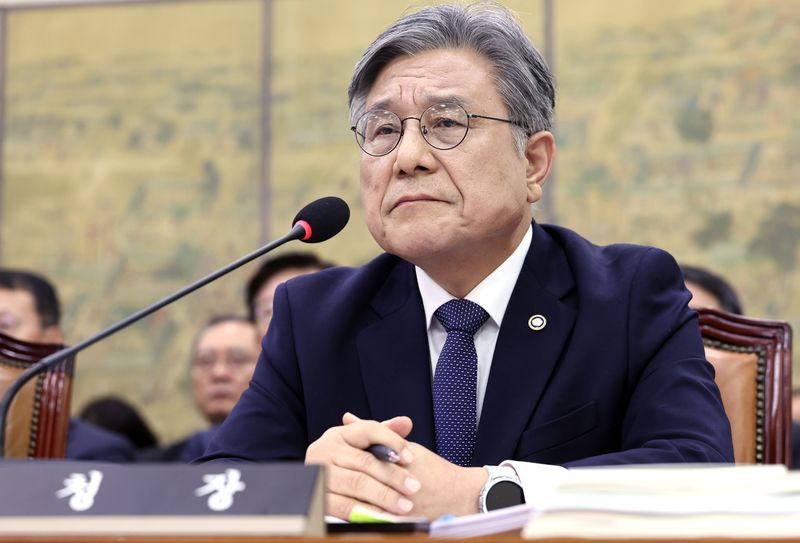
Huh wrote on social media (SNS) on the 2nd that “Traditional martial art of the Democratic People's Republic of Korea, Taekwon‐Do,” nominated by North Korea, was expected to receive a recommendation for inscription from UNESCO’s Evaluation Body. Citing inter-Korean relations and various other circumstances, he added that “a joint inscription is expected to be virtually out of reach at this point,” expressing regret.
North Korea submitted its Taekwondo inscription nomination in March 2024. The South Korean government submitted a nomination in March this year for “Taekwondo: The Training Culture of Korea’s Dojang Communities” and has been pursuing a joint inscription by North and South Korea. The Korea Heritage Service also included plans to pursue a joint inscription of Taekwondo in its major work plan for this year.
The Taekwondo nomination submitted by South Korea focuses on the communal bonds formed as instructors and trainees learn together at dojangs. It describes how the values of technique, rules and training are passed down through generations, and how some trainees become instructors and teach the next generation, sustaining the tradition.
Huh stressed that even if North Korea inscribes Taekwondo first, “that does not mean exclusive rights are recognized.” He explained that the Intangible Cultural Heritage system is intended to respect cultural diversity and creativity and to safeguard and pass on the heritage of each country collectively.
Regardless of the outcome of the review, the government will pursue either an extension to add South Korean Taekwondo to the Representative List or a separate inscription. An extension expands the scope of heritage already inscribed and, like a new inscription, must undergo evaluation and review.
There are precedents for North and South Korea separately inscribing the same heritage. South Korea inscribed Arirang in 2012, and North Korea did so in 2014. Kimjang culture and kimchi-making were also inscribed separately, by South Korea in 2013 and North Korea in 2015. A joint inscription of Ssireum by the two Koreas was achieved in 2018.
UNESCO’s Evaluation Body, made up of experts in intangible heritage and nongovernmental organizations (NGOs), among others, reviews nominations from each country and recommends to the Intergovernmental Committee for the Safeguarding of the Intangible Cultural Heritage whether to inscribe them, request additional information or not inscribe them. The recommendation is a stage in the review process before the final decision. The final decision on whether to inscribe North Korea’s Taekwondo nomination will be made at the 21st session of the Intergovernmental Committee for the Safeguarding of the Intangible Cultural Heritage, which will meet in Xiamen, China, from the 30th to December 5.
Huh also expected “Traditional knowledge, skills and cultural practices of Hanji making,” nominated by South Korea, to receive a recommendation for inscription. If Hanji is finally inscribed, South Korea’s UNESCO Intangible Cultural Heritage entries will increase to 24. North Korea currently has five entries, and the total would rise to six if Taekwondo is inscribed.
[email protected] Jang In-seo Reporter