Flu Arrives a Month Earlier This Year ... Why Get Vaccinated Even Though You Can Still Catch It? [Health Talk]
- Input
- 2026-11-03 09:06:36
- Updated
- 2026-11-03 09:06:36
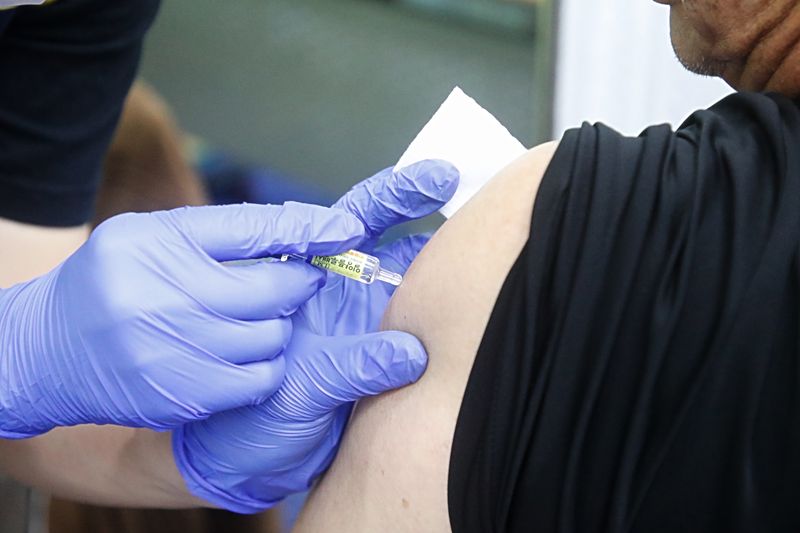
[Financial News] This year, flu arrived a month early. The Korea Disease Control and Prevention Agency (KDCA) issued an influenza epidemic advisory on September 11. That was about a month earlier than last year (October 17). With temperatures plunging and daily temperature swings growing wider, calls to get vaccinated promptly are growing louder.
Lee Gyeong-ju, head of the Department of Pulmonology and Allergy at Bundang Jesaeng Hospital, said, “At the change of seasons, more patients come in with respiratory symptoms such as cough, runny nose and sore throat.” He added, “People often think of a common cold at this time of year, but if fever, muscle aches and severe fatigue come on suddenly, they should suspect the flu.”
The flu is an acute respiratory infection caused by influenza viruses. Although its symptoms are similar to those of the common cold, it circulates every year from winter through spring and often causes a sudden high fever, chills, headache, muscle aches and cough. In some cases, it leads to serious complications such as pneumonia. Older adults aged 65 and over, infants and young children, pregnant women, people with chronic conditions and those with weakened immune systems are at higher risk of developing severe illness and should take particular care.
“Many patients start with a cough and fever, then develop breathing difficulties or pneumonia and require hospitalization,” Lee said. “For people with chronic respiratory conditions such as chronic obstructive pulmonary disease (COPD) or asthma, an infection can cause their symptoms to worsen rapidly.” He went on to stress, “The flu should not be treated as a simple seasonal illness; people need to focus on prevention and seek medical care at the right time.”
Vaccine protection takes effect after two weeks ... Get vaccinated again even if you got the shot last year
The first step in preventing the flu is vaccination. The types and characteristics of influenza viruses that circulate change each year, so vaccines are updated to target the viruses expected to circulate that season. That is why people need to get vaccinated again this year, even if they were vaccinated last year.
Lee explained, “Vaccination does not mean you absolutely cannot catch the flu, but it can prevent about 60–80% of infections and help reduce the risk of severe illness even if you do get infected.” He added, “How well it works depends on how closely the vaccine matches the circulating viruses, as well as the age and health of the person vaccinated.” However, flu vaccines do not protect against common colds caused by other viruses.
Older adults, pregnant women and people with chronic conditions, who are at higher risk of complications, should check their eligibility and the timing and make sure to get vaccinated. Those eligible for the National Immunization Program should check the schedule for the current flu season and the designated medical institutions.
The timing of vaccination is also important. It usually takes about two weeks after vaccination for immunity to develop, so it is best to get vaccinated before flu season is in full swing. People at high risk should get vaccinated at any time during the season, even if the flu has already begun to circulate.
High-immunogenicity influenza vaccines have also recently been introduced in South Korea. Adults aged 65 and over and solid-organ transplant recipients aged 18–64 who take immunosuppressive drugs tend to develop a weaker immune response to vaccination than healthy adults, resulting in lower protection. The Korean Society of Infectious Diseases therefore recommends high-immunogenicity vaccines for people aged 65 and over. Solid-organ transplant recipients aged 18–64 who take immunosuppressive drugs may also consider getting a high-immunogenicity vaccine.
Handwashing and cough etiquette are essential ... Seek medical care within 48 hours
Vaccination alone is not enough to prevent the flu. Follow basic precautions, such as washing your hands often and covering your mouth and nose with a tissue or your sleeve when coughing or sneezing. Ventilate crowded indoor spaces frequently, and limit contact with others if you have respiratory symptoms.
If symptoms suggestive of the flu, such as fever, cough or muscle aches, develop, it is best to seek medical care rather than push on with your usual routine. Whether to use antiviral medication depends on the patient’s condition and risk factors, and it is known to be most effective when given within 48 hours of symptom onset. However, people with severe illness, those who are hospitalized and people at high risk may need treatment even after 48 hours, so they should not delay seeking care.
If serious symptoms such as difficulty breathing, chest pain or impaired consciousness develop, seek emergency medical care immediately.
[email protected] Jung Myung-jin, Medical Correspondent Reporter