“You have to sit in it yourself to know”: Japan’s Harumeku turns magazine readers into shoppers
- Input
- 2026-11-03 17:00:00
- Updated
- 2026-11-03 17:00:00
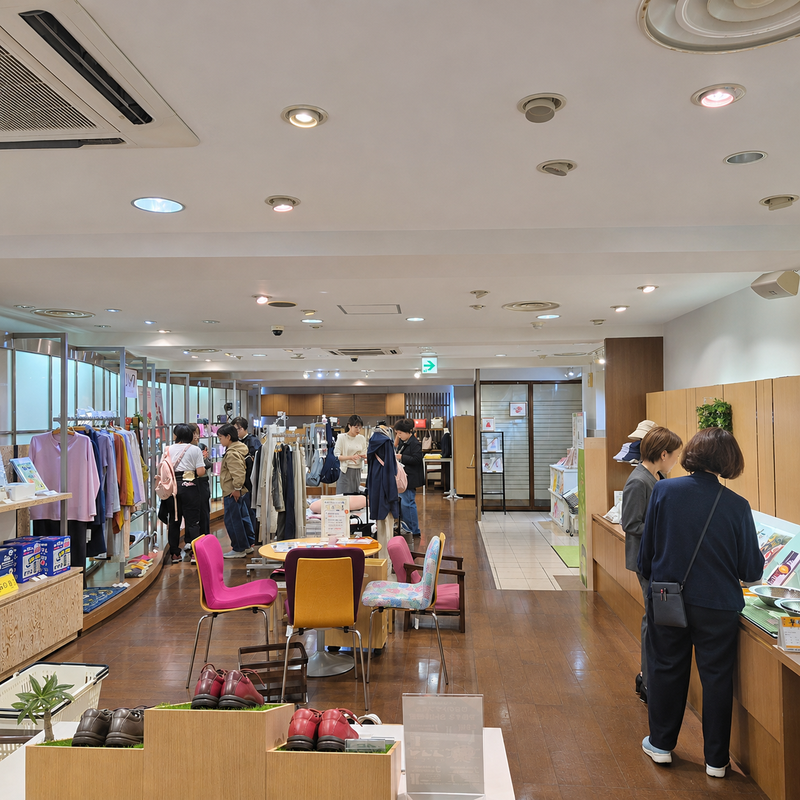
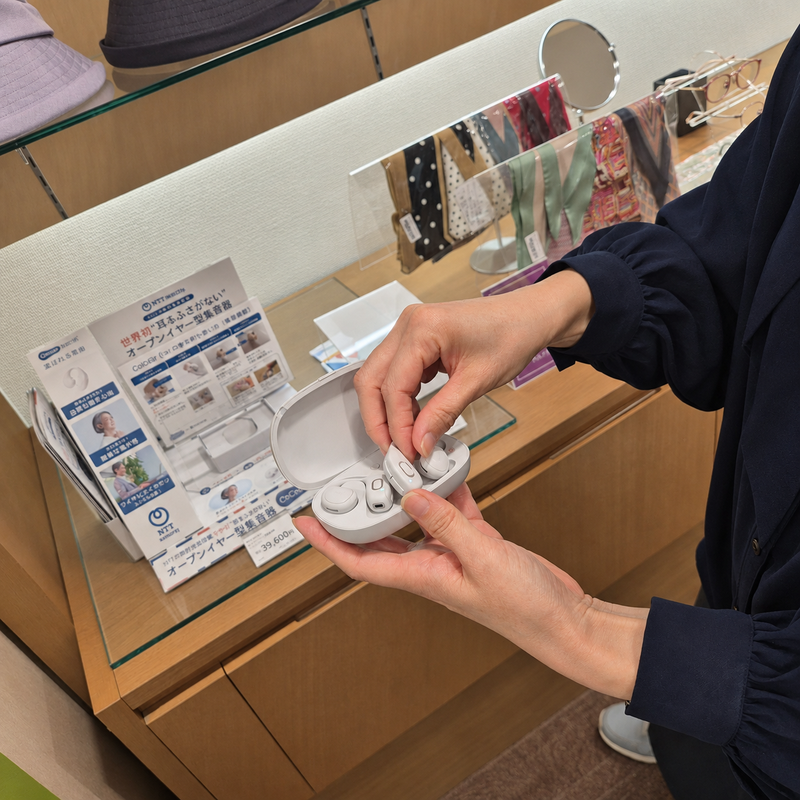
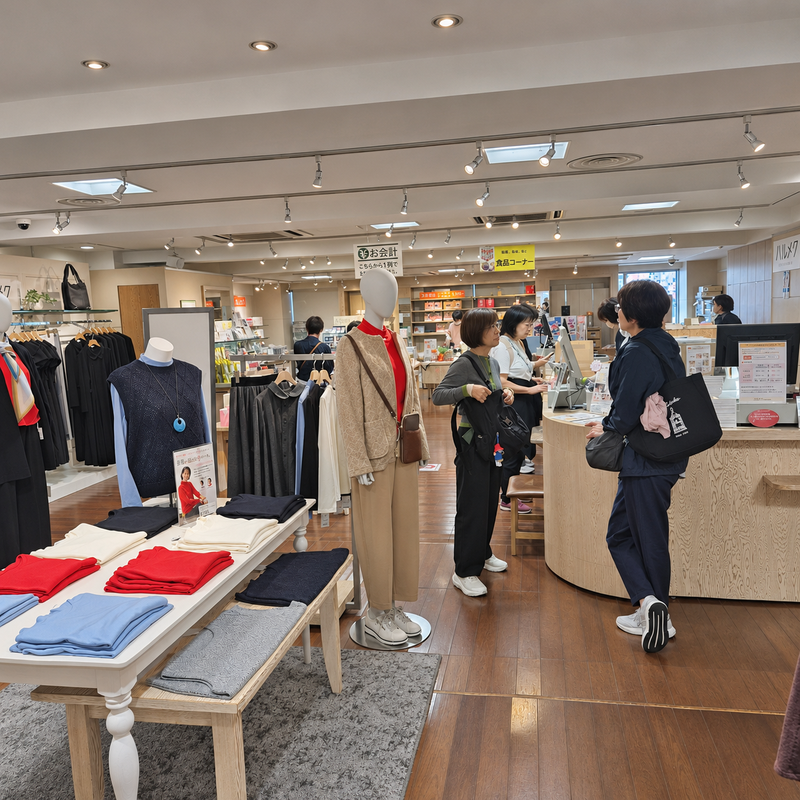
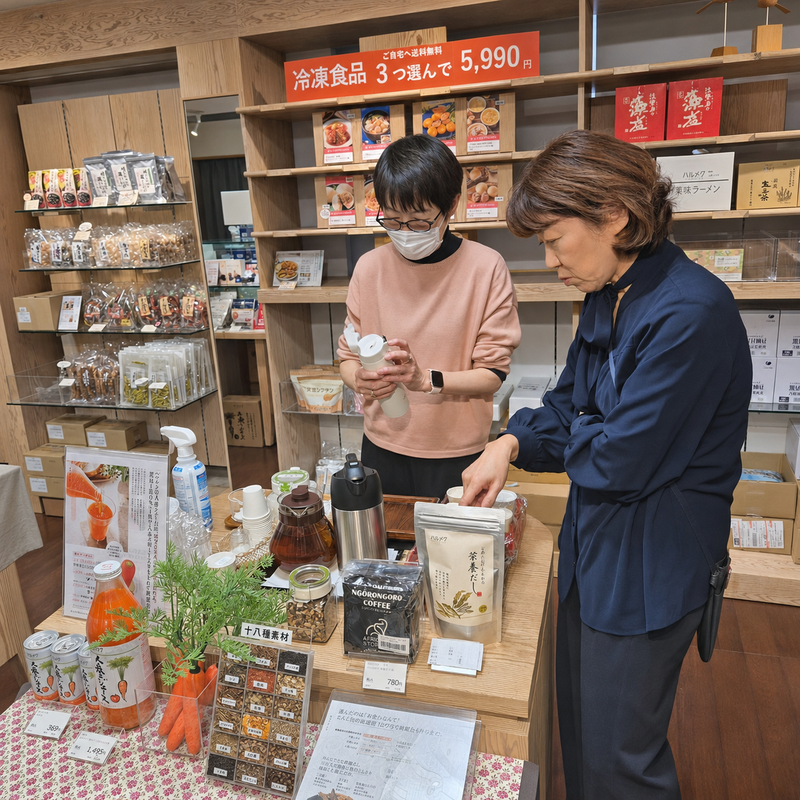
At around 10:40 a.m. on the 28th of last month, at Harumeku’s Kagurazaka flagship store in Shinjuku, Tokyo, Japan, store manager Tomoko Fuji said this while pointing to a posture-support cushion on a chair. Just 10 minutes after the store opened, women who appeared to be in their 50s and 60s were arriving one after another to browse the products. A woman in her 60s looking around the store also said, “My friends talk about Harumeku a lot, and I’ve seen it in newspaper ads, so I came to the store,” adding, “It’s best to see the products in person if you want to compare them with the pictures in the catalog.”
At the “2026 fn Senior Industry Conference,” to be held at Bankers’ Hall in Myeong-dong, Seoul, on the 12th, speakers will present firsthand examples from Japan’s senior industry, including Harumeku’s business model.
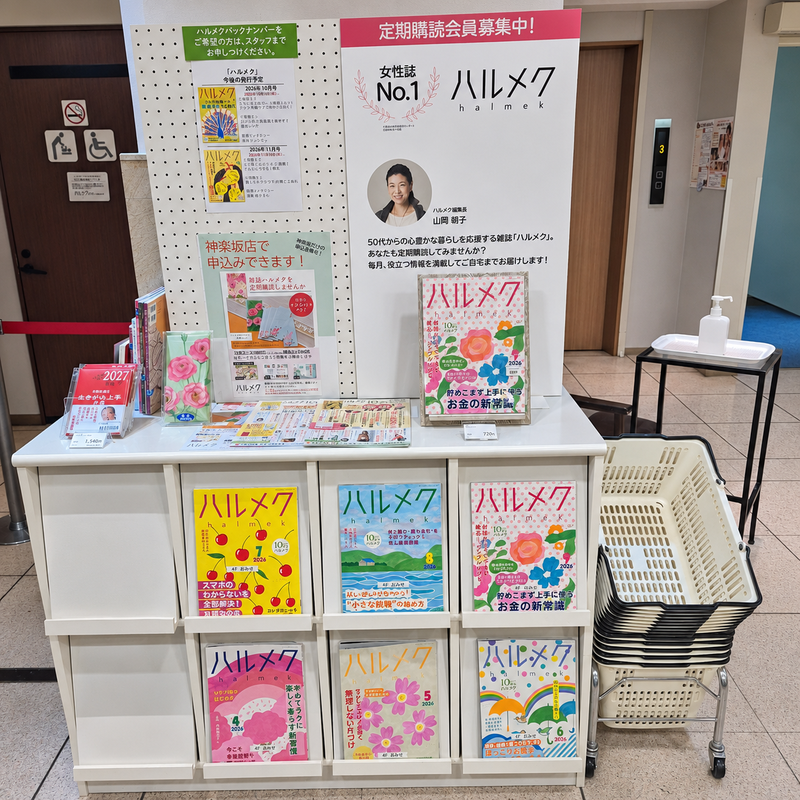
■ From magazine readers to customersHarumeku, a senior-lifestyle company, publishes a magazine for women aged 50 and older and sells products, travel packages and classes. It has built a readership through its magazine and then expanded its business into product sales, travel and classes. Its holding company, Harumeku Holdings, was listed on the Growth Market of the Tokyo Stock Exchange in 2023. For the fiscal year ended March 2026, consolidated revenue reached 33.81 billion yen (about 287.4 billion won).
Subscribers are the foundation of the business. According to company materials, it had about 460,000 subscribers in the first half of 2025. Rather than selling individual issues in bookstores, the company charges an annual subscription fee of 7,800 yen (about 66,300 won) and delivers the magazine to subscribers’ homes. It also sends them a product catalog. Some customers continue receiving the catalog and buying products even after canceling their magazine subscriptions.
Kasumi Araki, a leader in the company’s PR and IR office, explained, “As a company that makes magazines, we include plenty to read in the catalogs, too,” adding, “Customers read the content, become fully convinced, and then make a purchase.”
The physical stores serve customers who find it difficult to decide what to buy based on a catalog alone. Even customers who normally wear a size M are encouraged to try on sizes S or L as well. Customers can also try on shoes and underwear before buying them.
As of the end of June, Harumeku had 22 stores in Japan. The Kagurazaka flagship store also started out as a showroom displaying products. Manager Fuji said, “Customers asked us to sell products here, too, and that led us to turn it into a store,” adding, “Some customers browse products in the store, go home to think it over, and then buy them through mail order.”
The company has also introduced services for customers who have difficulty ordering online. Staff at stores can take orders on customers’ behalf, while customer service representatives call customers who struggle to use the automated phone system and help them place orders.
■ Customer feedback changes productsCustomer feedback is also reflected in product development. Store employees compile customer reactions by product category each month and send them to headquarters. They meticulously record everything from reasons customers decided not to buy to comments that the fabric was different from what they had expected.
The company’s in-house think tank, the Ikikata Jozu Research Institute, also supports product development. Founded in 2014, the institute conducts surveys, interviews and product-use evaluations with about 6,400 panelists, as of last October. It studies not only their ages but also their lifestyles and values to identify customer needs. For the fiscal year ended March 2026, about 80% of revenue from the product sales business came from products developed in-house.
Beyond providing lifestyle information through its magazine, Harumeku also offers classes where readers can learn and gain hands-on experience. Recently, it began offering a practical class in which participants use their smartphones to ask artificial intelligence (AI) for recipes or travel itineraries. The approximately 90-minute class costs 1,000 yen (about 8,500 won).
Araki explained, “With prices so high, customers are cutting back on everyday expenses but still spending money on trips they want to take and special experiences.”
[email protected] Seo Hye-jin Reporter