Gotjawal and Oreum ecology education pays off: Jeju designated an Environmental Education City for a second consecutive term
- Input
- 2026-11-03 08:55:05
- Updated
- 2026-11-03 08:55:05
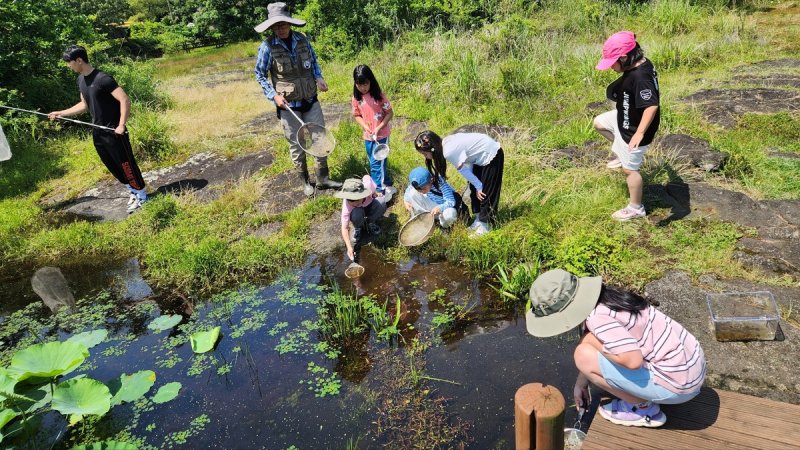
【Financial News, Jeju = Jeong Yong-bok, reporter】 Jeju has been designated an Environmental Education City for a second consecutive term in recognition of its environmental education achievements using distinctive ecological resources such as Gotjawal and Oreum. As a result, it will retain that status for three years, from 2027 through 2029.
According to Jeju Special Self-Governing Province and MCEE on the 3rd, 21 local governments nationwide applied for this year’s Environmental Education City designation. After expert reviews of applications and on-site evaluations, followed by deliberation by the Environmental Education Committee, 10 were selected: three metropolitan governments and seven municipal or district governments.
The metropolitan governments are Jeju, Busan and Sejong City. Jeju and Busan were redesignated, having also been designated in 2023, while Sejong was newly selected. Among the municipal and district governments selected were Nowon District in Seoul; Suwon, Ansan-si, Siheung and Gwangmyeong-si in Gyeonggi Province; Cheonan in South Chungcheong Province; and Tongyeong-si in South Gyeongsang Province.
The Environmental Education City designation is a government program established under the Act on the Promotion and Support of Environmental Education. The government designates areas after assessing their educational infrastructure, track records and future plans. The program aims to expand environmental education tailored to local characteristics and strengthen residents’ ability to respond to the climate crisis.
Jeju received high marks for field-based ecological education using Gotjawal and Oreum. Another key reason for its selection was its efforts to connect ecotourism and resource-circulation education with carbon-neutrality policies, encouraging residents to protect the environment in their daily lives.
Jeju has also expanded its educational infrastructure. The number of outstanding environmental education programs run by Jeju Province under MCEE’s program rose to 22, while the number of social environmental education institutions increased from six to nine. Last year, 41 new environmental education instructors were trained.
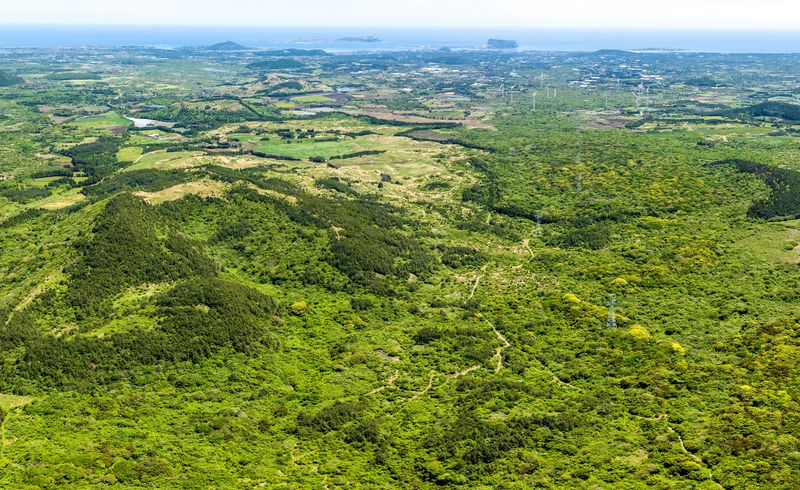
The evaluation also took into account community partnerships, including school environmental education carried out in cooperation with the Jeju Special Self-Governing Provincial Office of Education and the operation of a consultative body for climate-disaster response education. These efforts have expanded environmental education beyond schools into local communities and brought ecological resources into educational settings.
The designation reflects a nationwide trend among local governments to develop distinctive educational models using local environmental resources. Busan was recognized for marine environmental education, Sejong for environmental education for public officials and training citizen scientists, and Jeju for ecological education focused on Gotjawal and Oreum.
MCEE will support the designated areas through the end of 2029 with expert consulting, cooperation among local governments and the sharing of outstanding educational practices. Securing separate funding from the national government is still being pursued, so the designation itself does not mean that funding has been confirmed.
Under its Fourth Environmental Education Plan (2026–2030), Jeju Province plans to strengthen an education system that connects schools, society and local communities. It will pursue the operation of a climate and environmental education center for young children in 2027 and plans to expand experiential environmental education in which tourists can participate.
Im Hong-cheol, director of Jeju Province’s Environment, Forest and Natural Resources Bureau, said, “We will work to make Jeju’s natural environment a space for learning, and to ensure that learning leads to carbon-neutral practices in everyday life.”
[email protected] Jeong Yong-bok Reporter