“So South Korea Was Better After All”: A 10-Minute Consultation Cost 600,000 Won... Tyler Reveals the Reality of U.S. Healthcare Costs
- Input
- 2026-11-03 08:27:20
- Updated
- 2026-11-03 08:27:20
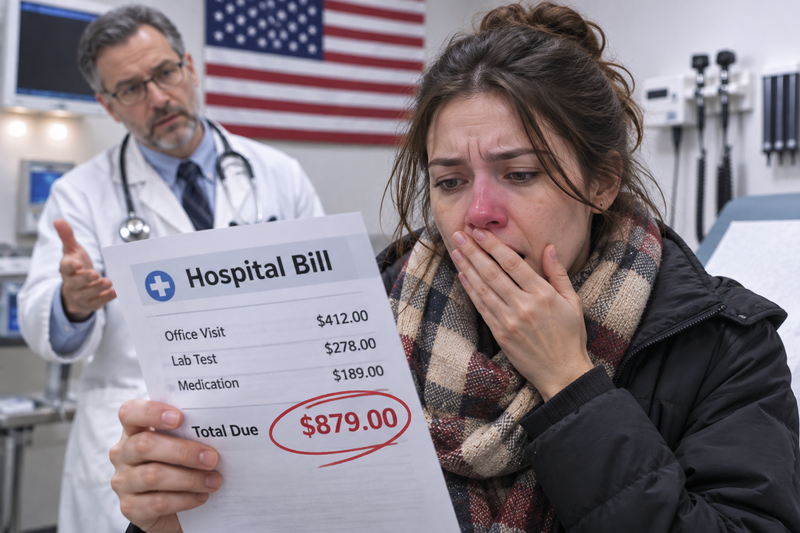
[Financial News] An analysis has found that the U.S. health insurance system has become a structure that saddles patients with astronomical medical costs, as it is entangled in a complex “three-layer regulatory” framework.
The U.S. health insurance system is shaped by a tangle of state and federal regulations, private insurers, and employer-sponsored insurance plans. Insurance laws vary from state to state, and the hospitals patients can visit and the scope of their coverage also depend on their insurance plan, so patients have to check for themselves whether their coverage applies.
With high healthcare prices and the burden of insurance premiums added to this system, medical costs have long been cited as a social problem in the United States.
In this connection, broadcaster Tyler appeared on the YouTube channel “Jeong Hyeong-don’s Untitled TV” on the 30th of last month and explained the structural problems of the health insurance system, considered one of the United States’ major social challenges.
Tyler identified the multilayered structure, in which numerous agencies and systems are intertwined, as the reason the U.S. healthcare system has become so complex.
He explained, “The U.S. healthcare system is built on insurance-related laws and systems for regulating hospitals and pharmaceuticals overseen by state governments, with federal regulations and oversight by agencies such as the Food and Drug Administration (FDA) added on top.”
He added, “Private insurers and employer-provided health insurance are layered onto this as well, forming a complex, three-tiered structure.”
Tyler emphasized that the healthcare providers patients can use—and even the amount they have to pay for the same treatment—can vary greatly depending on the coverage and conditions of their insurance plan.
He said, “The conditions that apply can change just by crossing a state border, and the hospitals covered vary depending on your employer or insurer. Patients have to check one by one whether their insurance is accepted at a given place before going there. Even at dental clinics in the same neighborhood, treatment costs, including implants, can differ astronomically depending on the insurance plan you use.”
Tyler shared, “My wife got shingles and went to the hospital briefly. She had a consultation for about 10 minutes, and it came to around 600,000 won. If we’d added even a simple test, it would easily have topped $1,000.”
Tyler said that high medical bills and complicated procedures lead Americans to tend to avoid visiting hospitals.
He said, “Americans don’t go straight to the hospital just because they have a cold. They first try to endure it or wait to see if other symptoms appear. Hospitals are far away, and medical care is so expensive that people have come to see hospitals as places you go only when something really serious happens.”
He added, “So many vested interests and complex regulations are already intertwined that it’s difficult to untangle them. The issue is also directly tied to insurers’ survival, in particular, and remains a chronic challenge that American society has been unable to resolve for a long time.”
[email protected] An Gaeul Reporter