The story behind Sohn Kee-chung’s bronze helmet ... National Museum of Korea to offer evening talks in November
- Input
- 2026-11-03 06:00:00
- Updated
- 2026-11-03 06:00:00
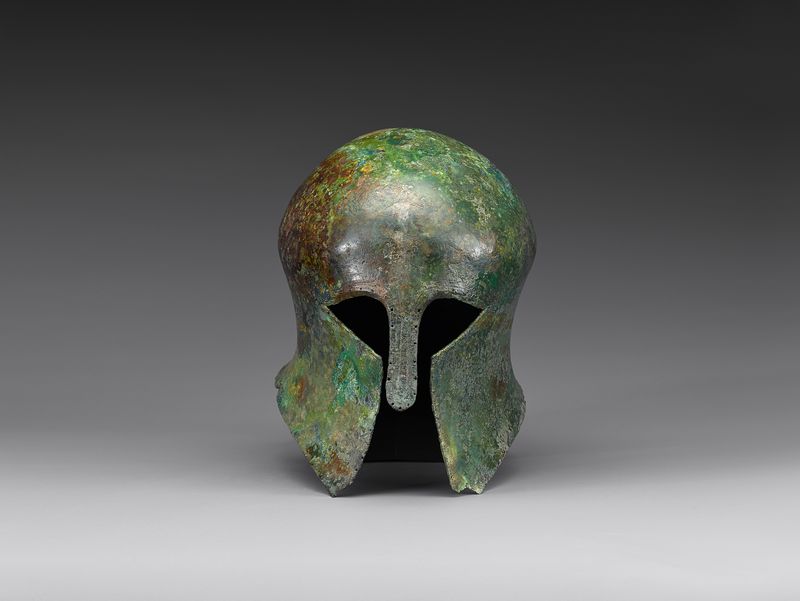
The National Museum of Korea said on the 3rd that 16 talks in its “Conversation with a Curator” series will be held in the permanent exhibition galleries on the 4th, 11th, 18th and 25th of this month. Talks begin at 6 p.m. and 7 p.m. every Wednesday and last 30 minutes each.
At 6 p.m. on the first day, the 4th, talks will be held on “Buddhist Sculpture of Unified Silla” in the Unified Silla Gallery and “The Museum’s History: Stories Through Time” in the Paleolithic Gallery. They will cover changes in religious art amid social shifts and stories behind the collection of works held by the National Museum of Korea.
At 7 p.m., the themed exhibition “Green Bamboo Through the Four Seasons: Captured in Ceramics” in the Buncheong Ware and White Porcelain Gallery will explore bamboo depicted on Goryeo celadon and Joseon white porcelain. The Goryeo Gallery 2 will look at Buddhist art from the transition period between Goryeo and Joseon.
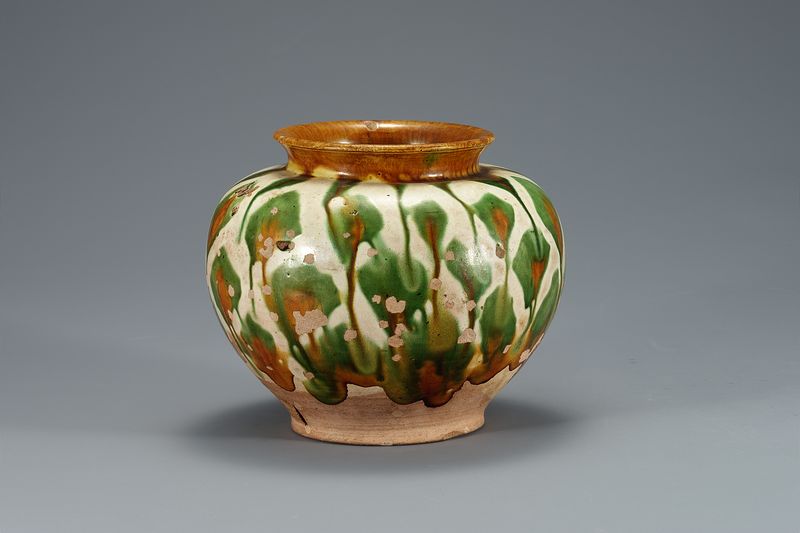
At 6 p.m. on the 11th, the Korean Empire Gallery will explore the development of early photographic technology and its historical context through “Glass Plate Photographs.” The China Gallery will cover Chinese ceramic culture, including Tang sancai. At 7 p.m., “Exchange Between the Korean Peninsula and the Japanese Archipelago” in the Kaya Gallery and “Glass and Trade in Silla” in the Silla Gallery will examine traces of ancient maritime exchange and the significance of glass brought from the western regions.
“The Greek Bronze Helmet Through Historical Records,” held at 6 p.m. on the 18th in Donation Gallery 1, will shed light on the story behind Sohn Kee-chung’s donation of the artifact. At the same time, the Neolithic Gallery will host “Neolithic Culture,” explaining how people adapted to environmental changes and how artifacts changed during the period.
At 7 p.m. that day, a special exhibition in the Central Asia Gallery, “Unlocking a Millennium of Seals: Dunhuang Buddhist Sutra Manuscripts,” will introduce Buddhist sutra manuscripts discovered in the Mogao Caves in Dunhuang, China. The Goryeo Gallery 2 will explore Buddhist crafts from Goryeo.
At 6 p.m. on the 25th, the Calligraphy and Painting Gallery will explain conservation methods for calligraphy and paintings from a scientific perspective under the theme “The Garment of Calligraphy and Painting: Old and New Mountings.” The Goryeo Galleries 1 and 2 will cover Goryeo Buddhist culture. At 7 p.m., the Goguryeo Gallery will explore the significance of the Stele of King Gwanggaeto and how the museum acquired the “Cheongmyeongbon” rubbing.
At the same time, “Collection Conservation: Caring for Stone Artifacts” will be held in front of the Ten-Story Gyeongcheonsa Pagoda on the “Path of History.” It will explain how the pagoda came to the museum and how to preserve the original form of cultural heritage.
Visitors can join on site without registering in advance, and there is no capacity limit. Admission to the permanent exhibition galleries is free. On Wednesdays, visitors can stay until 9 p.m., with last entry at 8:30 p.m. Guides, topics and locations may change depending on the museum’s circumstances.
[email protected] Jang In-seo Reporter