Belgium, Sweden and Ireland follow France as wave of supermarket fridge hacks across Europe leads to mass food waste
- Input
- 2026-11-03 00:23:55
- Updated
- 2026-11-03 00:23:55
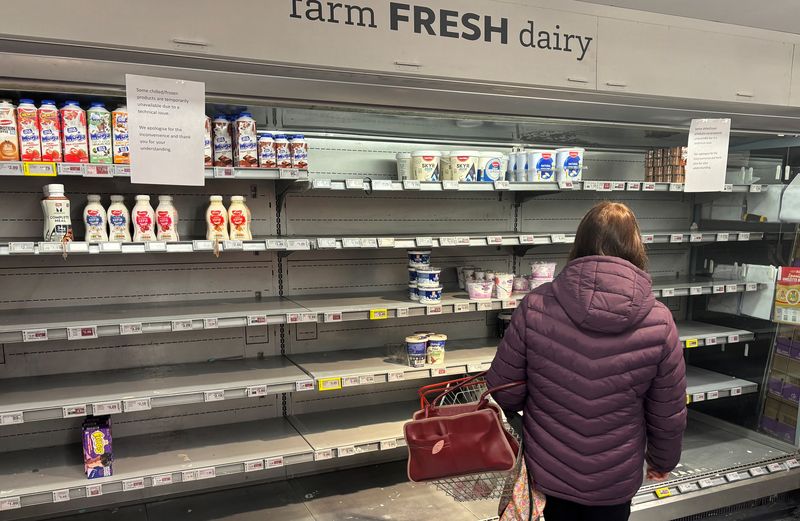
[Financial News] The large-scale refrigerator hacking incident that paralyzed French supermarkets has spread across Western and Northern Europe, including Belgium, Sweden and Ireland, putting Europe’s food supply chain on high alert.
According to The Associated Press (AP) and other foreign media on the 2nd (local time), a wave of cyberattacks targeting food retailers in Belgium, Luxembourg, Sweden, Estonia, Ireland and elsewhere sent temperatures in the refrigerators and freezers at dozens of supermarket stores soaring to as high as 55°C.
Similar attacks have now been repeated in countries across Europe, just over two weeks after refrigerator temperatures at more than 700 outlets belonging to several supermarket chains in France soared to between 50°C and 80°C in mid-last month.
■ Refrigerator temperatures soar at supermarkets across Europe... food worth millions of euros faces disposal
The hacking caused cooling-system malfunctions at around 40 locations operated by Belgian supermarket giant Delhaize, including stores across Belgium and in Luxembourg. Stores run by other retailers, including Carrefour Belgium and Spar, were also affected.
Freezer temperatures also soared to as high as 55°C at some stores operated by ICA, Sweden’s largest grocery chain, and Coop. In particular, an ICA store in Sjöbo, southern Sweden, said hot air flowed into a freezer, raising its temperature to 50°C, and that it was unable to regulate or change the temperature. Thirteen SuperValu stores in Ireland and supermarket chains in Estonia also struggled with similar attacks.
Managers and staff at affected stores took emergency measures to prevent inventory losses, including going in during the night and bringing in refrigerated trucks. However, the wave of malfunctions put fresh food and groceries worth millions of euros at risk of being discarded. One store in Sweden also voiced concern that it would have to throw away produce worth €100,000 (about 150 million won).
■ How did the hackers do it?... Remotely switching units to “defrost mode”
Investigators and industry sources say the latest hacking is a carbon copy of last month’s incident in France. Supermarket refrigeration and freezing equipment is constantly connected to the internet for purposes such as remote maintenance and fault alerts, leaving it vulnerable to cyberattacks.
The hackers are believed to have exploited these system vulnerabilities by remotely manipulating refrigeration control systems, forcing them into “defrost mode” and making internal temperatures soar. The CEO of Belgian equipment company Sabcobel said the hackers switched the evaporator equipment to defrost mode.
Danish engineering company Danfoss said its refrigeration control systems were implicated in a series of supermarket freezer-hacking incidents in Europe last month, including in France, and that it had been supporting its customers for the past three weeks. In the United States, similar freezer malfunctions occurred at some shops on U.S. military bases last August, and investigators are working with French judicial authorities on the investigation.
■ EU: “A deliberate attempt to disrupt food supplies”... Investigations launched across Europe
Investigative agencies and cybersecurity centers across Europe immediately launched investigations. Belgian prosecutors opened a criminal investigation, while Sweden’s National Cyber Security Center is closely monitoring the incident and investigating it. So far, however, no group or individual has officially claimed responsibility for the wave of hacks.
The European Commission issued a stern warning over the incident. Christophe Hansen, the EU commissioner for agriculture and food, described the cyberattacks on refrigeration and freezing facilities targeting European supermarkets as a “deliberate attempt” to disrupt the EU’s food supply and undermine consumer confidence. He added, “Food security is not directly under threat at this point, but food waste and the impact on businesses are real problems,” and called for stronger cybersecurity across the EU to counter digital threats.
[email protected] Park Ji-hyun Reporter