A Life in No Hurry, Hearts That Hold One Another Up ... Jo Nam-dae’s Selected Essays [New Book]
- Input
- 2026-11-02 17:31:43
- Updated
- 2026-11-02 17:31:43
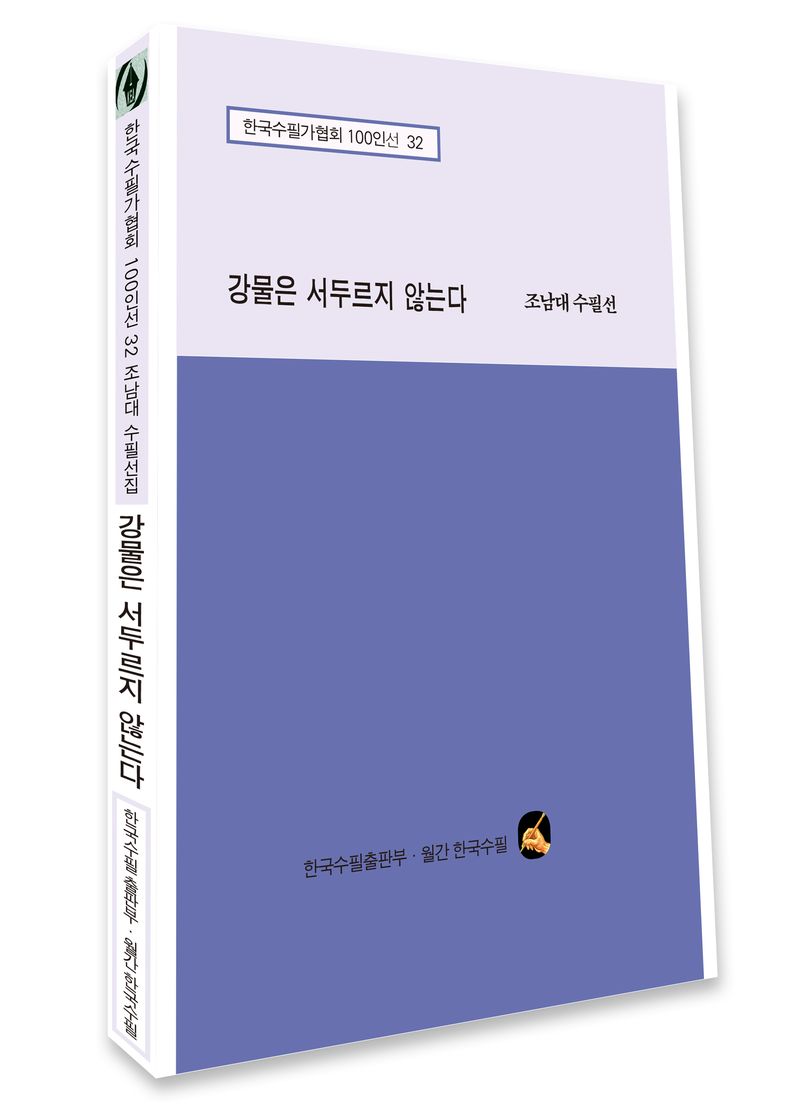
The first essay, “A Pole That Holds Up Life,” overlays the pole that propped up a clothesline with the image of the author’s parents. Through a presence that is easy to overlook but stays in place and bears weight, it reflects on a family’s devotion. A memory sparked by a single object leads to questions about the trust and solidarity that sustain society.
In “Love That Came Down Nine Floors,” that source of support extends beyond the family. When elevator repairs made it difficult for a mother with limited mobility to go out, staff at the building management office stepped in. The effort of carrying her down nine flights of stairs on someone’s back while taking her walker along conveys the goodwill of neighbors who share in the family’s caregiving.
“The Table Where Love Lingers,” “The Apron-Wearing Lion,” and “Generational Differences in Discipline” shift the focus to everyday life around the dining table, housework, children, and grandchildren. They explore how family roles and relationships change in familiar domestic scenes.■ Companionship More Precious Than Reaching the Summit, and Time Spent WaitingThe title essay is set in the countryside of Yangpyeong County, Gyeonggi Province. Mist enveloping Baegunbong, laundry in the yard, spring greens passed over the fence, and the warmth of people at the market form the backdrop of the piece. For the author, country living is more than leisure enjoyed alone; it is an experience of living while considering one another’s efforts.
In the piece of the same title published last June as the 100th installment of Dailian’s serialized “Jo Nam-dae’s Retirement Diary,” a neighbor trims trees along a fence that had been blocking the view and even helps prune the trees at the author’s home. The piece reveals both the practice of living slowly and an attentive regard for one’s surroundings.
“The Mountain Doesn’t Run Away” recounts an attempt to hike without preparation that ended without reaching the summit. On the way down, holding his wife’s hand, the author discovers the value of keeping pace with one another. It is a moment when who you walk with and how you walk takes precedence over whether you reach your goal.
A similar sensibility is present in the time spent taking photographs. “Photography Is the Art of Waiting” and “The Hunter Chasing the Light” explore the process of waiting and moving around to capture a single image. The author sets the landscapes of travel destinations alongside his own experience of time, and conveys the feelings and memories stirred by historical sites.
Jo, who is from Sangju, North Gyeongsang Province, graduated from Yeungnam University’s College of Law and worked as a civil servant for 33 years. After retiring, he published a travel book based on his road trip around the country by car with his wife and their stay in Jeju. In 2019, he received the New Writer’s Literary Award in the essay category from the monthly magazine Gukbo Munhak. He is also active in poetry and photo poetry.
In his author’s note, he said, “I want to write sentences infused with truth rather than sentences that shine brilliantly, and pieces that leave a quiet resonance for a long time rather than writing that raises its voice.”
[email protected] Jang In-seo Reporter