Oh Se-hoon: “Urban marathon routes and schedules to be renegotiated from scratch” ... Traffic congestion measures planned
- Input
- 2026-11-02 16:44:16
- Updated
- 2026-11-02 16:44:16
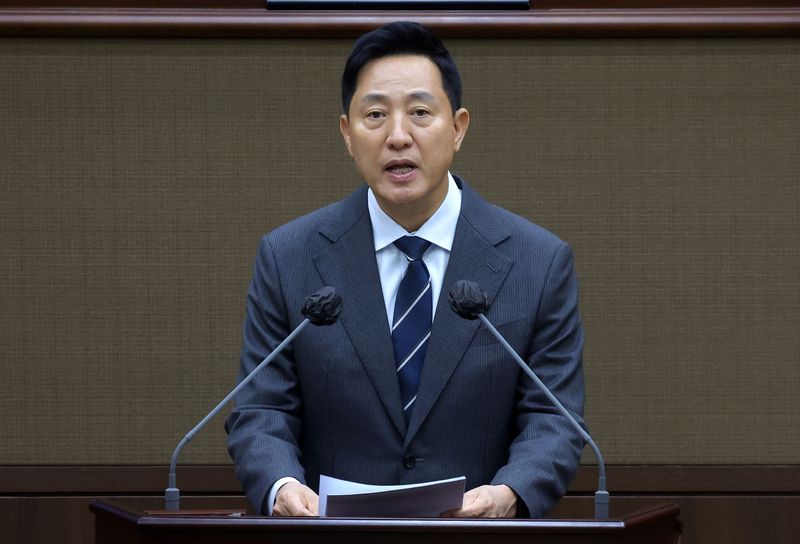
[Financial News] As traffic congestion and inconvenience to residents have repeatedly resulted from urban marathons held every weekend, Seoul Mayor Oh Se-hoon said that the routes and schedules would be renegotiated from scratch starting with next year’s races. The city said that despite taking steps to ease traffic problems, including cutting its own sponsored races by more than half, the burden of road closures had grown as the number of central government-sponsored races rose sharply.
On the 2nd, Mayor Oh posted on Facebook under the title “Urban marathons: I will renegotiate routes and schedules from scratch,” saying, “I take seriously the frustration and inconvenience residents must have experienced on a precious weekend morning.”
Roads across Seoul were closed for the previous day’s marathon, from Gwanghwamun to Olympic Park and from Sangam to Yeouido, forcing 190 city bus routes to take detours. Traffic also built up on the alternate routes, causing congestion across Seoul.
Mayor Oh said, “I understand very well that for runners, this marathon is a festival they have waited all year for,” but added, “To minimize inconvenience to residents, we repeatedly asked the organizers to adjust the route and consulted with them, but in the end we could not prevent widespread disruption.” He stressed, “We will renegotiate the routes and schedules for next year’s race from scratch.”
Early this year, the Seoul Metropolitan Government drew up marathon guidelines and began implementing measures to reduce the inconvenience caused by traffic restrictions. It cut the number of races it sponsors from 15 last year to 7 this year and moved start times to before 7:30 a.m. It also set caps on the number of participants at each venue.
The time when road closures along the half-marathon course were lifted was also moved earlier, from 11:30 a.m. last year to between 10:30 and 11 a.m. this year.
The number of marathons sponsored by the central government rose from 1 last year to 23 this year. Pointing to this increase, Mayor Oh said that large-scale road closures had taken place more than 30 times in Seoul this year.
He also noted that it is difficult for the Seoul Metropolitan Government to independently restrict the holding of races or road closures. Marathons themselves do not require local government approval, and the authority to close roads rests with the police, limiting what the city can do on its own.
The Seoul Metropolitan Government therefore plans to consult with the central government, the police and race organizers, among others, to develop measures to ease traffic congestion, including adjusting event dates and routes.
Mayor Oh also asked race organizers, including media outlets and public institutions, “When deciding whether to sponsor and hold races, please give serious consideration to the inconvenience residents will face.” He added, “Roads belong to all residents. I will see through efforts to reduce the inconvenience they face.”
[email protected] Seong Cho-rong Reporter