Rehabilitation at home instead of in hospital: Older adults in Japan receive support at low cost
- Input
- 2026-11-02 17:00:00
- Updated
- 2026-11-02 17:00:00
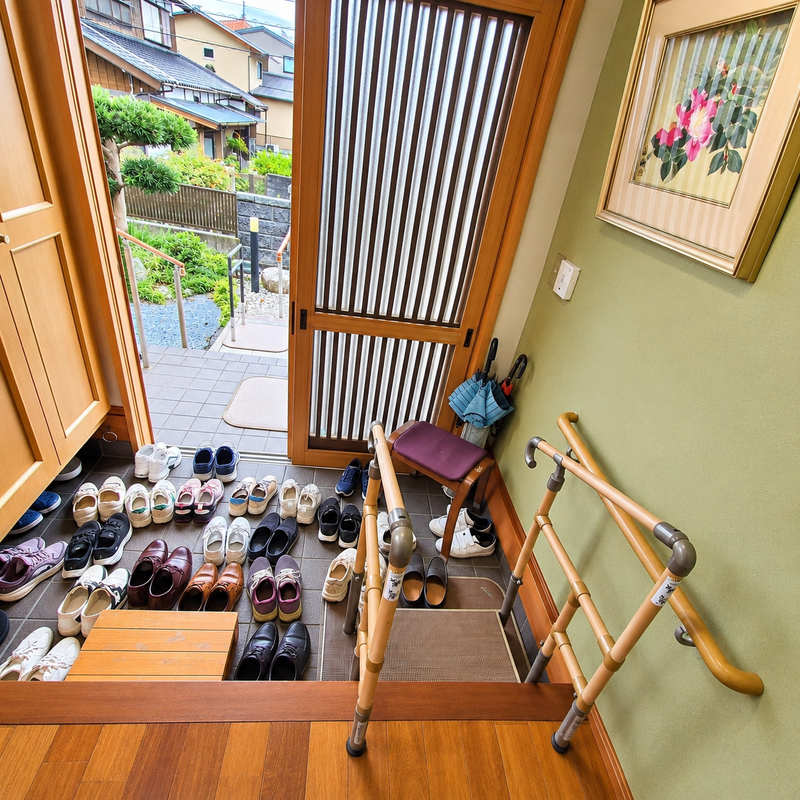
An older adult we met in Munakata City, Fukuoka Prefecture, Japan, on the 23rd of last month described their condition before starting rehabilitation this way. He currently receives help from a physical therapist twice a week, for 40 minutes at a time. This allows him to access professional rehabilitation services at home without having to visit a hospital or rehabilitation facility.
In Japan, physical therapists and other professionals visit the homes of older adults with limited mobility to provide home-based rehabilitation. Japan’s Long-term Care Insurance, which is similar to South Korea’s Long-Term Care Insurance, covers a substantial portion of the cost.
■Home rehabilitation twice a week; copayment of 4,250 wonThat same day, we observed a home rehabilitation session at a house in Munakata City. After checking the service user’s blood pressure and oxygen saturation, the physical therapist assessed the condition of their legs and the range of motion in their joints. It was a demonstration conducted separately from a visit to an actual service user.
Home rehabilitation takes place in the older adult’s own home. Physical therapists assess not only physical function but also everyday movements, such as walking around the home and getting up from a seated position. During rehabilitation, older adults practice walking and joint exercises needed for daily life at home.
The service user we met on site said that with a 10% copayment under Long-term Care Insurance, they pay about 500 yen (about 4,250 won) for a 40-minute rehabilitation session. Actual costs vary depending on insurance coverage conditions and the services provided.
South Korea also provides home-visit care and nursing through Long-Term Care Insurance. However, unlike Japan, it does not offer home rehabilitation as a separate in-home benefit category. Japan has established a separate insurance benefit system for professional rehabilitation services delivered at home.
■“Our role is to help them stay in their own homes for a long time.”While home rehabilitation helps older adults maintain their physical function, local consultation agencies help identify and connect them with the medical and long-term care services they need.
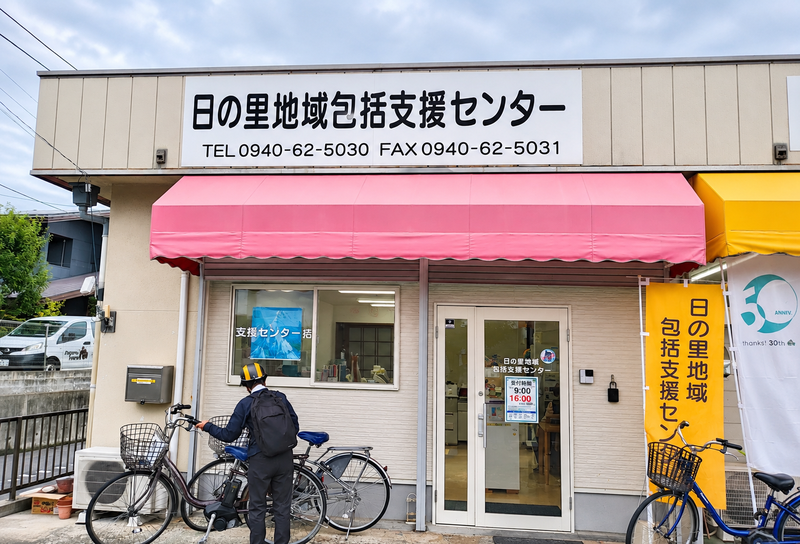
The Hinosato Community Comprehensive Support Center in Munakata City, which we visited that day, provides consultations to people aged 65 and older and their families, and guides them to services suited to their health and living circumstances.
A center representative said, “Older adults want to stay in their own homes for as long as possible, in the communities they know. Supporting them in doing so is our role.” The representative added, “We consider their choices and decision-making important.”
The center employs social workers, chief care managers, and public health nurses or nurses. They assess people’s health and their families’ caregiving circumstances, and provide guidance on applying for Long-term Care Insurance, visiting medical institutions, and using day-care services.
A center representative explained, “People come to us with questions such as what to do as their legs and back grow weaker, or where to start when they need care.”
Japan’s home-based care system combines home rehabilitation with local consultation services. Professionals such as physical therapists visit older adults at home to help with rehabilitation, while community comprehensive support centers connect them with the support they need, from applying for Long-term Care Insurance to visiting medical institutions and using day-care services. South Korea also implemented integrated care nationwide this March, but unlike Japan, it does not offer home rehabilitation as a separate in-home benefit category under Long-Term Care Insurance.
[email protected] Seo Hye-jin Reporter