Bundle housing and care, reward rehabilitation outcomes: Japan’s care industry business model
- Input
- 2026-11-02 17:00:00
- Updated
- 2026-11-02 17:00:00
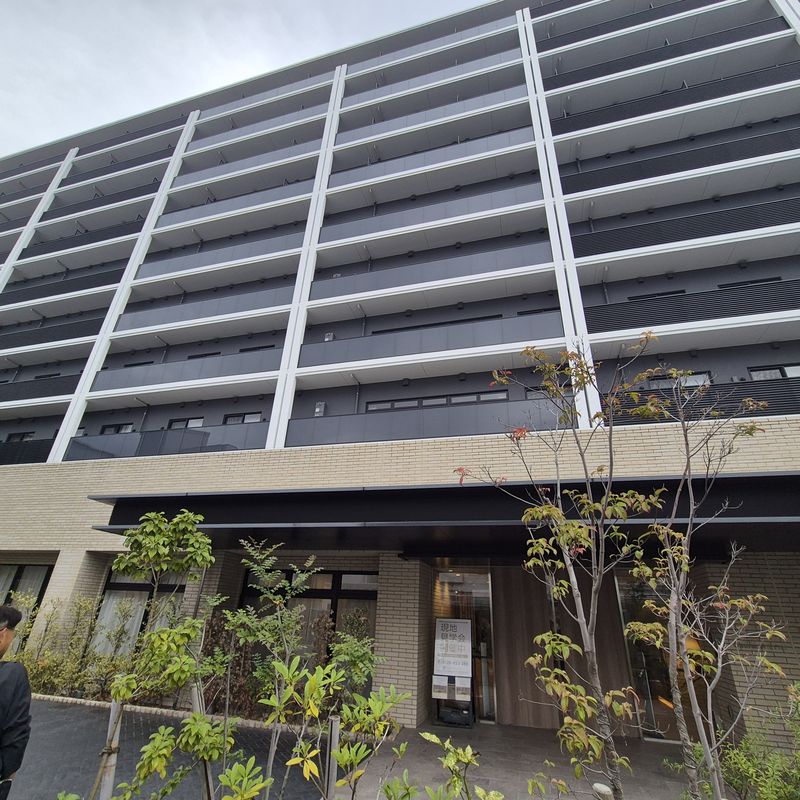
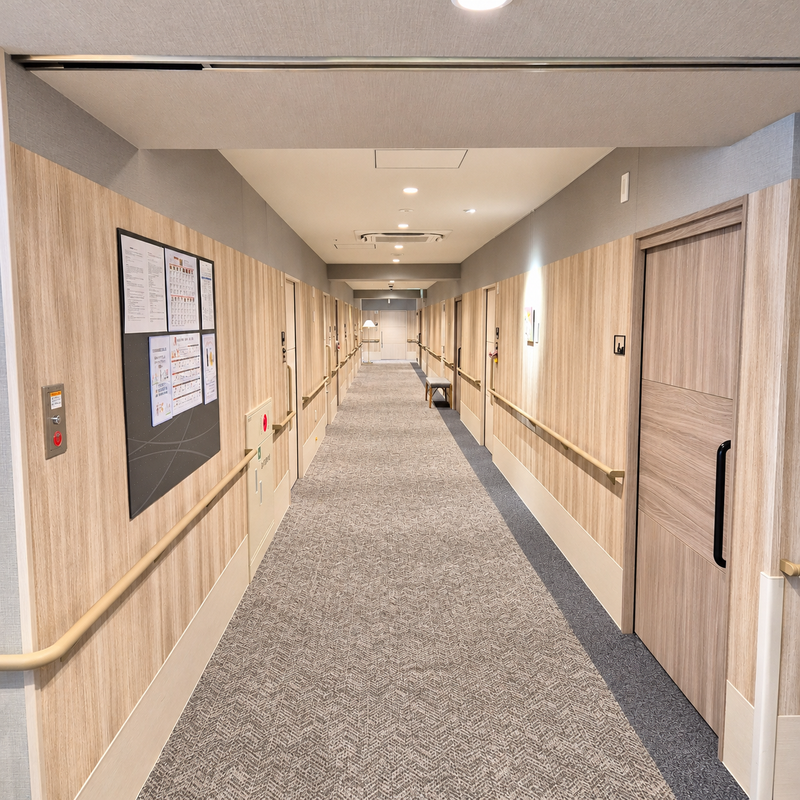
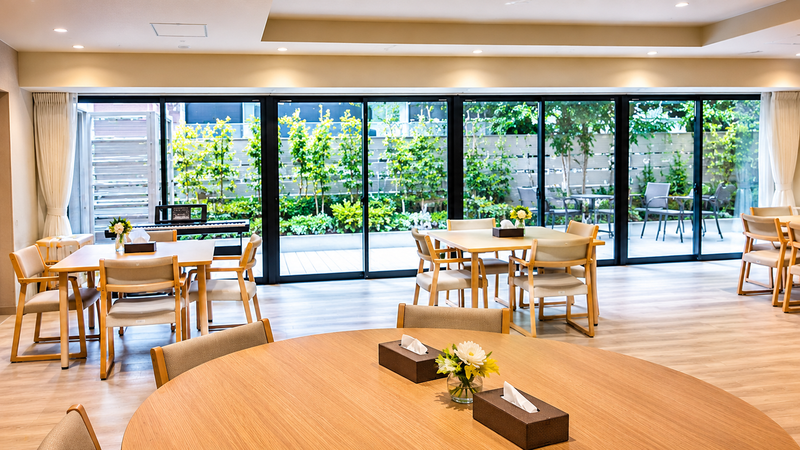
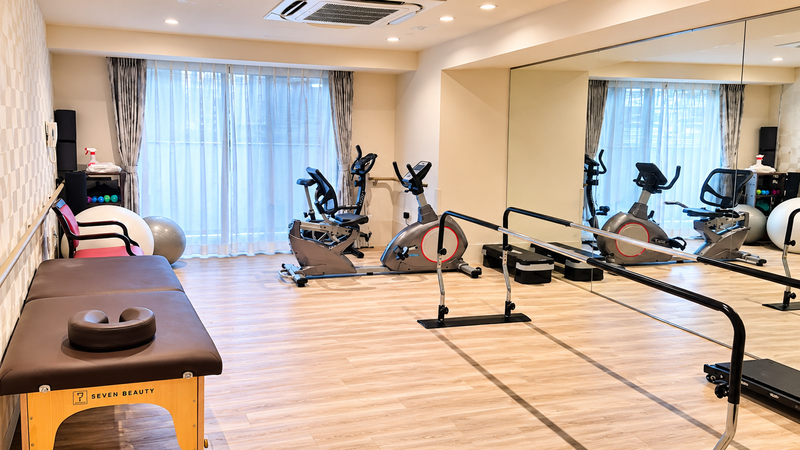
Monthly fees vary depending on the upfront payment. Residents pay 374,680 yen per month (about 3.18 million won) with no upfront payment. Paying 4.65 million yen upfront (about 39.53 million won) lowers the monthly fee to 297,180 yen (about 2.53 million won). Choosing an upfront payment of 9.3 million yen (about 79.05 million won) brings the monthly fee to 219,680 yen (about 1.87 million won). Long-term care insurance copayments and other charges are separate. The upfront payment is a prepayment, part of which is amortized under the terms of the contract.
Services not covered by insurance are also a line of business. A Charm representative explained, “It is difficult to cover every service with long-term care insurance alone, so more providers are introducing paid services that are not covered by insurance.” Japan’s long-term care insurance is similar to South Korea’s long-term care insurance for older adults.
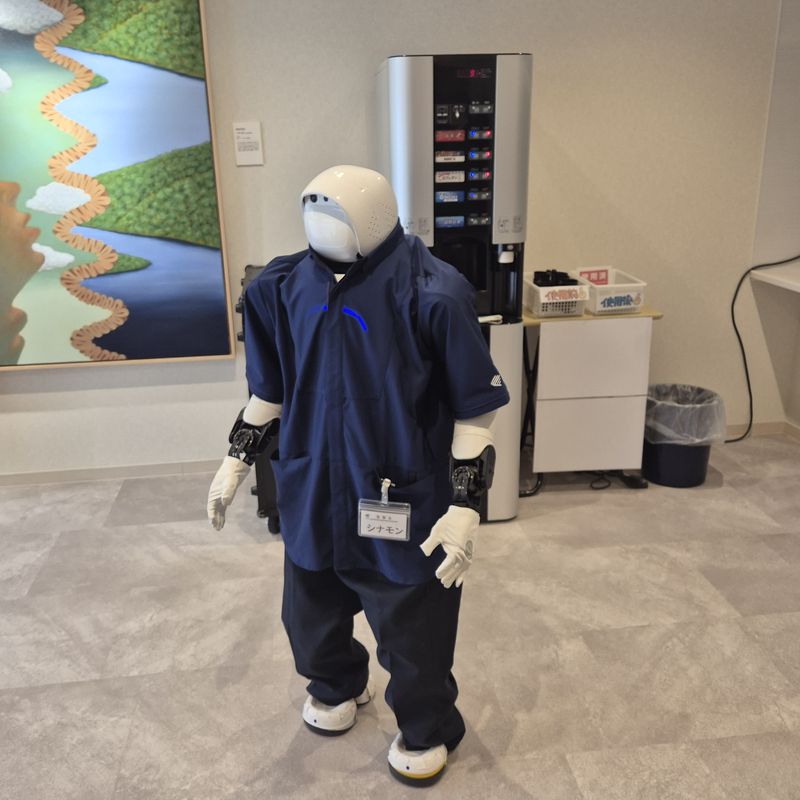
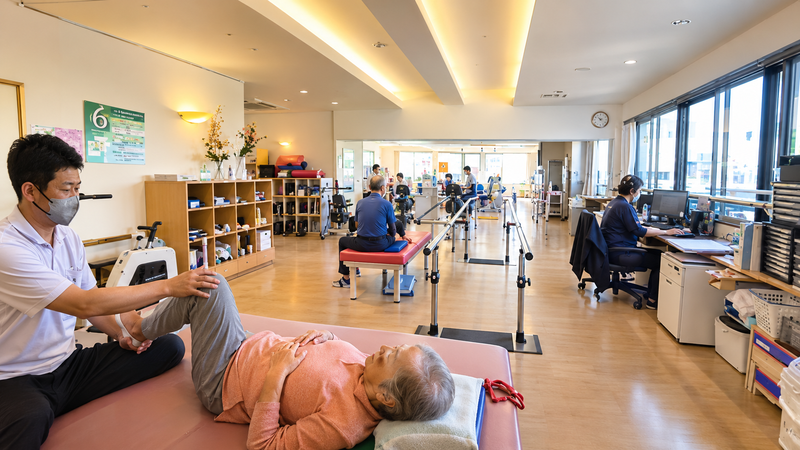
Technology investment is also under way to address staffing shortages. Charm Care Corporation uses digital technology to record care and share information among staff. A company representative said, “We decide whether to invest by weighing the impact of technology adoption on staffing efficiency and service improvements.”■ Rehabilitation to help people return home...Insurance reimbursements vary according to outcomesRakua Day Center Minami-Azabu, which I visited the same day, is part of a complex facility in Minato City, Tokyo, that houses long-term care, rehabilitation and day-care facilities. The special nursing home for older adults has a capacity of 100, and the short-stay facility has 11 places. Day care is divided into full-day, morning and afternoon sessions, each accommodating 20 people, for a total of 60.
This long-term care health facility provides rehabilitation for older adults who have been discharged from hospital but find it difficult to return home right away. A Rakua representative explained, “It is a facility where people who can be discharged from the hospital but feel anxious about returning home receive rehabilitation.”
Japan varies insurance reimbursements for long-term care health facilities according to factors such as their record of helping residents return home and the level of support for home-based care. Facilities that meet certain requirements qualify for higher reimbursement rates.
A Rakua representative said, “Not many people actually want to move into a facility. We focus on helping them return home whenever possible,” adding, “This Minami-Azabu facility is a ‘super-enhanced type’ long-term care health facility, the category with the highest level of support for returning home.” He added, “Facilities that support residents’ return home receive higher insurance reimbursements than those that do not.”
Japan classifies long-term care health facilities according to factors such as their record of helping residents return home and their rehabilitation support systems, and varies their insurance reimbursements accordingly. The super-enhanced type provides the highest level of support for returning home, while the basic type is the standard category. According to Japan’s Welfare and Medical Service Agency, the average home-return rate for super-enhanced facilities in fiscal 2024 was 54.1%, more than three times the 17.3% rate for basic facilities. Higher insurance reimbursements do not guarantee profitability. The agency reported that long-term care health facilities had an average operating profit margin of 2.9% in fiscal 2024, while 30.5% of the facilities surveyed posted losses.
[email protected] Seo Hye-jin Reporter