Dong-A ST Co., Ltd. launches new epilepsy drug Xcopri in South Korea
- Input
- 2026-11-02 15:01:20
- Updated
- 2026-11-02 15:01:20
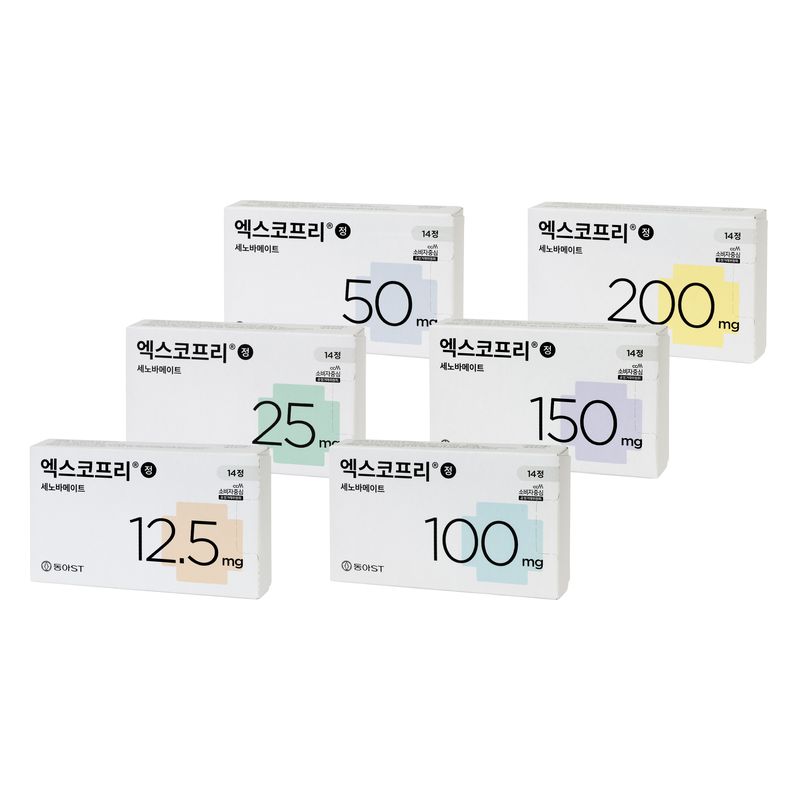
Dong-A ST Co., Ltd. said on the 2nd that it had launched Xcopri in South Korea. Xcopri is a novel drug developed by SK Biopharmaceuticals, and Dong-A ST received approval from South Korea’s Ministry of Food and Drug Safety last November as the country’s 41st domestically developed novel drug. It is used as adjunctive therapy for adults with partial-onset seizures that are not controlled by existing anti-epileptic drugs.
Epilepsy is a disease in which abnormal electrical signals in the brain’s nerve cells cause recurring seizures. An estimated 360,000 patients in South Korea receive treatment, and about 30% are reported to have drug-resistant epilepsy, in which seizures continue despite medication.
Xcopri has a dual mechanism of action: it suppresses excessive activity in brain nerve cells while strengthening the effects of gamma-aminobutyric acid (GABA), an inhibitory neurotransmitter. It is taken once a day, with the dose increased gradually depending on the patient’s condition.
In the clinical trial that supported its approval in the United States, patients whose seizures were not controlled despite existing treatment were given cenobamate, resulting in an approximately 55% reduction in seizure frequency from baseline. During the 12-week maintenance period, the proportion of patients who became completely seizure-free was 11% in the 200 mg group and 21% in the 400 mg group, higher than the 1% in the placebo group.
In an Asian Phase 3 trial involving 519 patients from South Korea, China, and Japan, complete seizure-freedom rates over a six-week maintenance period were 30.1% in the 200 mg group and 52.4% in the 400 mg group. The rate in the placebo group was 2.6%.
Xcopri is covered by national health insurance. In January 2024, Dong-A ST Co., Ltd. signed a licensing agreement with SK Biopharmaceuticals for Xcopri in 30 countries, including South Korea, and is responsible for obtaining regulatory approval, sales, and production of the finished drug in those countries.
[email protected] Jeong Sang-hee Reporter