A “thump” as soon as you open your eyes... How to prevent early-winter morning blood pressure spikes, or “morning surge” [Smart Wellness]
- Input
- 2026-11-08 05:00:00
- Updated
- 2026-11-08 05:00:00
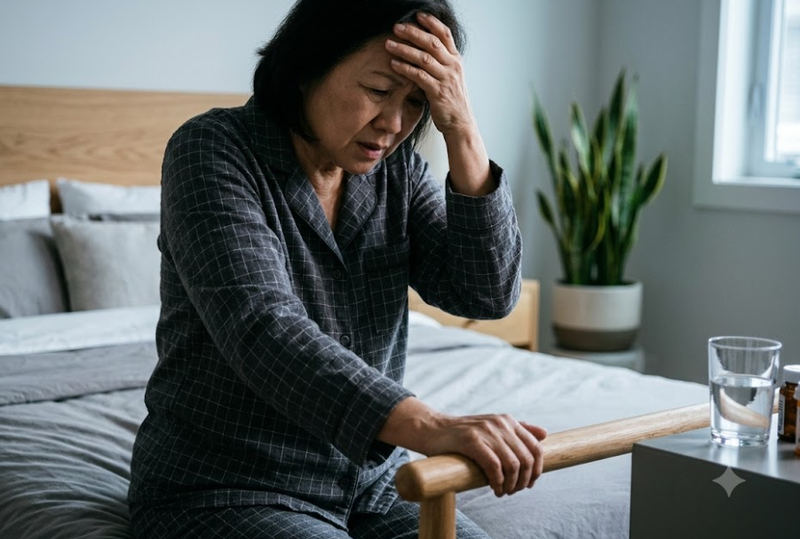
[Financial News] “The moment I think the morning air feels chilly, the back of my neck stiffens and my vision blurs. It’s worse in early winter.”
Park Hui-su (a pseudonym), a Seoul-based homemaker in her 60s, finds early-winter mornings especially difficult. When overnight temperatures fall and the air turns cold, she is more likely to experience a sharp rise in blood pressure after waking, known as a “morning surge” (Morning Blood Pressure Surge).
Morning surges are known to occur more often during seasons with large daily temperature swings, and in severe cases they can lead to brain hemorrhage or cerebral infarction, making particular caution necessary.
Cold air outside a warm blanket... triggers a “blood pressure spike”
A morning surge (Morning Blood Pressure Surge) is a phenomenon in which blood pressure rises sharply within two hours of waking, compared with its average level during sleep. It occurs year-round, regardless of the season.
It occurs most frequently in late fall and early winter, when daily temperature swings are large. Our heart rate and blood pressure naturally rise around the time we wake up. But if we are suddenly exposed to cool air after waking, peripheral blood vessels throughout the body constrict in an instant to prevent heat loss, causing a “blood pressure spike” in which blood pressure surges by 20–30 mmHg or more. During seasons when the air turns chilly, the temperature difference between the air under the covers and the indoor air can be substantial, further increasing the risk.
A study published in the Journal of Stroke, the official journal of the Korean Stroke Society, found that the risk of ischemic stroke (cerebral infarction) increased to a statistically significant degree among people aged 65 and older and among men as the daily temperature range grew larger. The research team said that sharp changes in temperature increase blood viscosity and stimulate the sympathetic nervous system, triggering blood vessel constriction and clot formation.
Even light stretching can help: everyday habits to prevent a morning surge
Morning surges are even more dangerous because they cause no clear, noticeable symptoms, even when blood pressure rises to dangerous levels. This means they can easily go unchecked until blood vessels are damaged. Even without symptoms, it is recommended that people give their bodies time to adjust to the new environment after waking and measure their blood pressure regularly.
Professor Kazuomi Kario of Jichi Medical University in Japan, a world-renowned expert on morning surges, warned in research published in a journal of the American Heart Association (AHA) that “patients whose morning blood pressure rises excessively have about 2.7 times the risk of stroke as those whose blood pressure does not.” He stressed that stable management of morning blood pressure is a key line of defense against cardiovascular and cerebrovascular events.
Experts say the first step in early-winter morning routines is to “wake up gradually.” After waking, spend 3–5 minutes under the covers gently clenching and unclenching your hands and feet to give your blood vessels time to adjust. Once you get up, put on a coat to prevent your body temperature from dropping, and drink lukewarm water to help reduce blood viscosity.
Avoid straining during a morning bowel movement, as it can sharply increase abdominal and intracranial pressure. People with hypertension should urinate in the morning, rest for 1–2 minutes, and then measure their blood pressure. If their morning readings consistently exceed 135/85 mmHg, they should consult their doctor about adjusting the timing or formulation of their medication.
Ways to make life healthier and more vibrant are not far away. [Smart Wellness] shares insights on caring for body and mind, based on scientific evidence and the latest trends. Subscribe to the reporter’s page to receive [Smart Wellness] with ease.
[email protected] Kim Hyeon-seon Reporter