Facility to remanufacture used auto parts to be built at Energy Valley Industrial Complex in Nam-gu, Gwangju Special City
- Input
- 2026-11-02 14:48:44
- Updated
- 2026-11-02 14:48:44
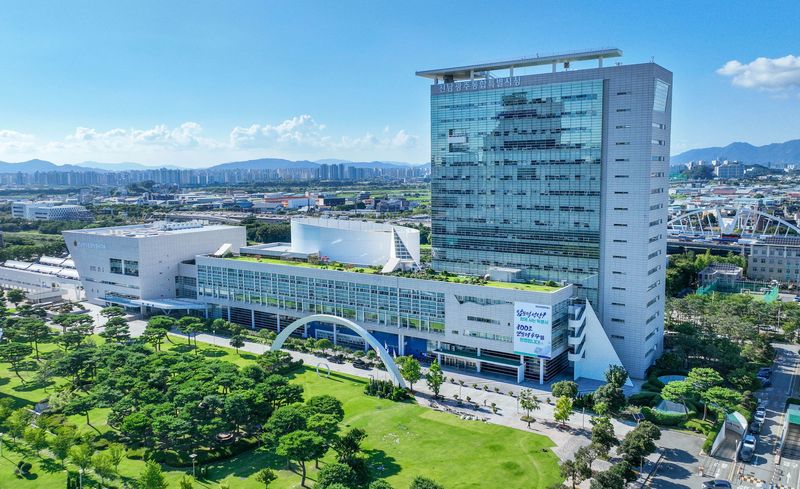
【Financial News | Jeonnam-Gwangju = Reporter Hwang Tae-jong】A facility to remanufacture used automotive parts is to be built at the Energy Valley Industrial Complex in Nam-gu, Jeonnam-Gwangju Integrated Special City (Gwangju Special City).
On the 2nd, Gwangju Special City said it had been selected for the Ministry of Trade, Industry and Energy’s “2026 Automotive Parts Circular Economy Innovation Infrastructure Development Project” and secured 9.9 billion won in national funding.
The project is intended to respond to changes in the automotive industry as it shifts from internal combustion engine vehicles to eco-friendly vehicles. Gwangju Special City will invest a total of 45 billion won over five years, from this year through 2030, to build a production facility at the Energy Valley Industrial Complex to remanufacture used automotive parts. It will also install testing, evaluation and certification equipment and support local companies’ technology development and commercialization. The aim is to increase the value of reused parts and help local parts companies enter the remanufacturing market and generate new revenue.
In particular, the city plans to attract private investment and pursue the project in conjunction with a special purpose company (SPC), enhancing the facility’s operational expertise and sustainability.
Park Jeong-hwan, head of Gwangju Special City’s AI Mobility Bureau, said, “Being selected for this project is an important opportunity for Jeonnam-Gwangju Integrated Special City to emerge as a hub for the automotive parts circular economy industry.” He added, “We will systematically establish the foundations for remanufacturing and quality certification, and actively support local companies in strengthening their technological competitiveness and entering new markets for future vehicles.”
The project’s lead organization is the Gwangju Future Mobility Industry Promotion Agency, with the Korea Automotive Technology Institute (KATECH), the Korea Basic Science Institute (KBSI) and the Korea Automotive Parts Remanufacturers Association as participating organizations. Each organization will be responsible for developing remanufacturing technologies, installing testing and certification equipment, supporting businesses and training skilled workers.
The main elements of the project include establishing an Automotive Parts Circular Economy Innovation Center; introducing 14 types of key equipment for processes such as parts disassembly, cleaning, inspection and quality certification; providing consulting on remanufacturing technologies and testing and certification support; helping companies develop online and offline sales channels; and training specialists in remanufacturing.
The project will establish a system to support every stage, from collecting used parts through remanufacturing, quality checks, certification and sales to their recovery.
The city also plans to expand support to core components for future vehicles, such as electric vehicle batteries and automotive electronic components, and actively help local companies transition to the future-vehicle industry and enter new domestic and overseas markets.
Park Jeong-hwan, head of the AI Mobility Bureau, said, “Jeonnam-Gwangju has the advantage of a strong base for finished-vehicle production and a concentration of numerous parts suppliers.” He explained, “By linking existing testing and certification facilities for future vehicles and research infrastructure with this project, we expect to build an industrial ecosystem spanning vehicle production and operation, parts remanufacturing, and reuse and recycling.”
He also emphasized, “We plan to strengthen the circular flow of parts and foster the growth of related industries by connecting local industries, including finished-vehicle manufacturers, repair shops and logistics companies.” He added, “In particular, many processes, such as diagnosing, disassembling, repairing and inspecting parts, are labor-intensive and require hands-on work, so the project is expected to help create quality local jobs and train skilled workers.”
[email protected] Hwang Tae-jong Reporter