Kim Hong-shin, 50 years after his literary debut: “Historical condemnation through writing is more frightening than criminal punishment”
- Input
- 2026-11-02 13:45:18
- Updated
- 2026-11-02 13:45:18
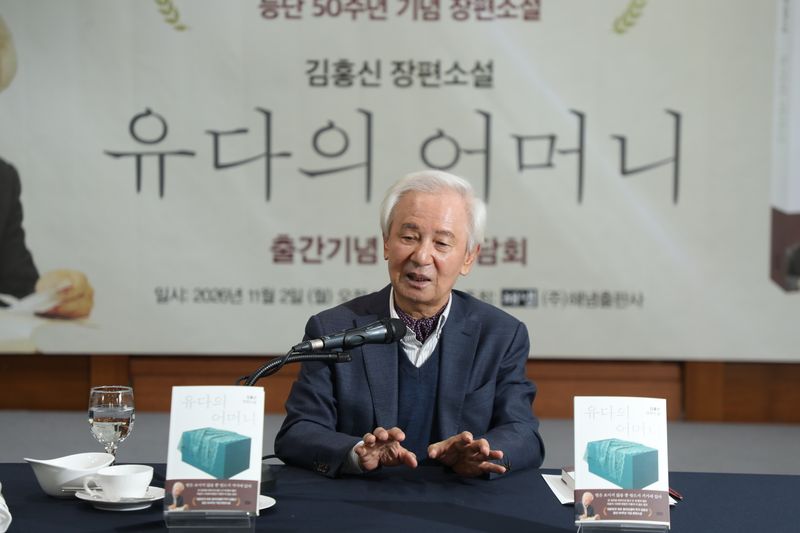
The novel opens with an incident in which the mother, Park Hae-seon, fires three shots at her eldest son, Major Yoon Sang-gyeong. A family tragedy unfolds amid a confrontation between those trying to protect classified documents containing the coup forces’ shameful secrets and those trying to seize them.
The title grew out of the question of what the mother of Judas Iscariot, who betrayed Jesus, might have felt. Kim said that while he tried to understand the feelings of a mother with an evil child, he also wanted to offer comfort to the mothers of those who brought light to the world.
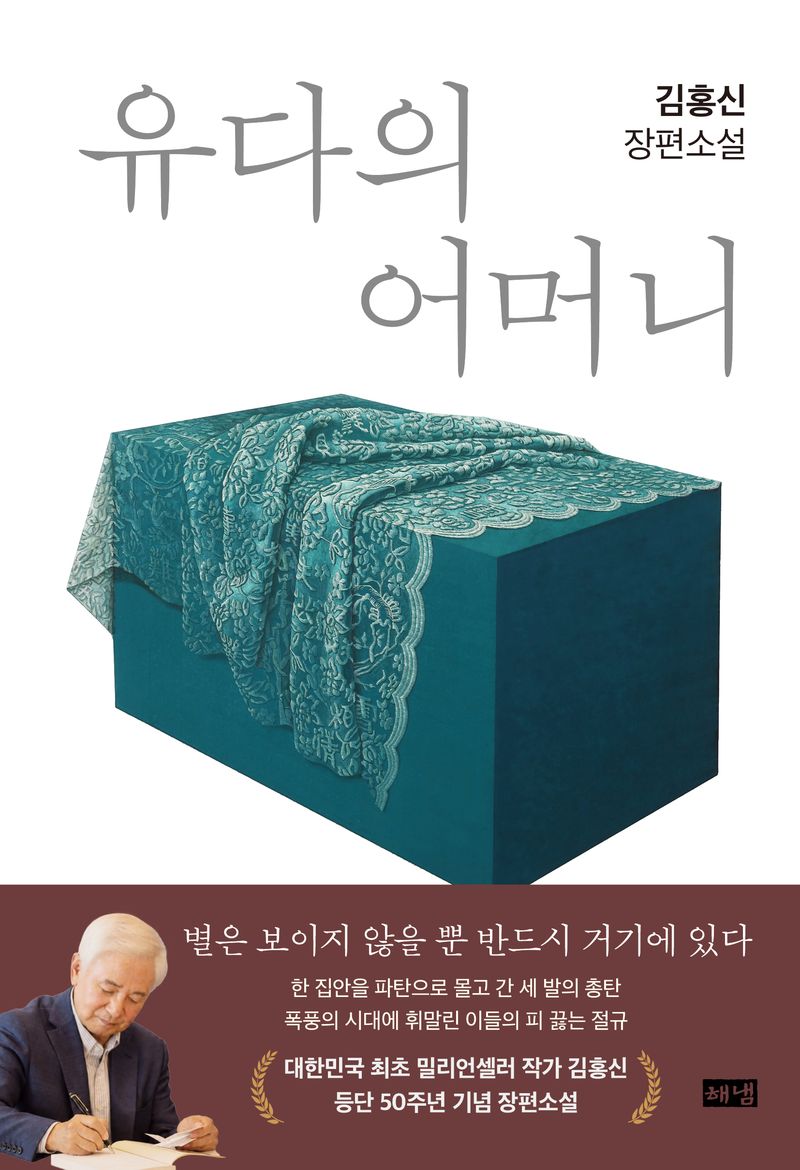
The phrase “beautiful revenge” also gave him pause. “It made my heart ache a little,” he said, adding, “But the word ‘written condemnation’ made it possible to describe it that way.”
Kim also said he wanted to pass on to younger generations the spirit of Koreans who have stood against injustice. Referring to the spirit linking Donghak, the March 1 Movement, the April 19 Revolution and the Gwangju Democratization Movement, he said of the citizens who gathered in Yeouido during the 2024 South Korean martial law crisis on Dec. 3, and the people who showed them their support, “They are all heroes.”■ Writing on, Bearing the Wounds of CensorshipHis own experience of being persecuted for his writing lay behind the book. He recalled that the memory of being taken away by an official from the Defense Security Command in December 1980 over his collection of works Doduknomgwa Doduknim, and of every copy of the book being confiscated, came back to him during the Dec. 3 martial law crisis.
He recalled that he had said, “Trauma becomes an indelible part of a person’s history,” and that although he had been about to rush to Yeouido that day, he prayed for the citizens and resolved to condemn the events in writing someday.
He said that when the Defense Security Command official who had questioned him passed away, he performed 108 prostrations and prayed for the person’s peaceful rest. He added that he wanted to hold on to his belief that “even the wind gets caught in a net woven from love and forgiveness,” and that he found peace of mind in doing so.
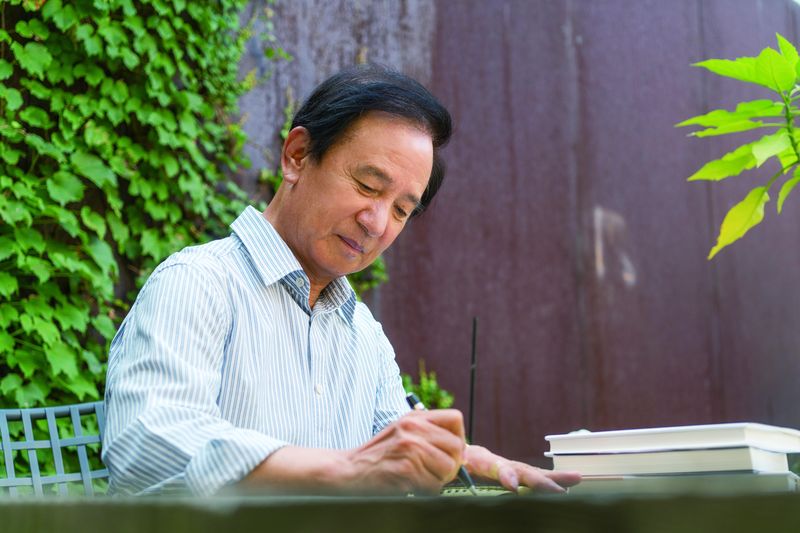
He also wrote his new 800-manuscript-page work with a fountain pen. Having promised the late novelist Choe Inho that they would write by hand until they died, he said he wanted to write with greater solemnity, as if dipping his pen in his own blood.
He made his literary debut in 1976 in Hyundae Munhak, became Korea’s first million-selling author with Human Market, and served as a member of the 15th and 16th National Assemblies. This year, he received the Bogwan Order of Cultural Merit and said this book was his 142nd work. He said his goal was to reach 150 books and that he was also gathering material to write about the history of Baekje.
He also revealed that he had already asked his children to place a fountain pen in his hand when he dies and put manuscript paper beside his pillow. His pledge to “write on manuscript paper on the day I die” remains ongoing.
[email protected] Jang In-seo Reporter