Jobs, housing, marriage and childbirth: young people’s challenges ... “Actively identifying tasks to support young people’s future in the 2045 strategy”
- Input
- 2026-11-02 11:34:09
- Updated
- 2026-11-02 11:34:09
The ministry said it plans to develop the 2045 National Development Strategy based on experts’ recommendations on these findings.
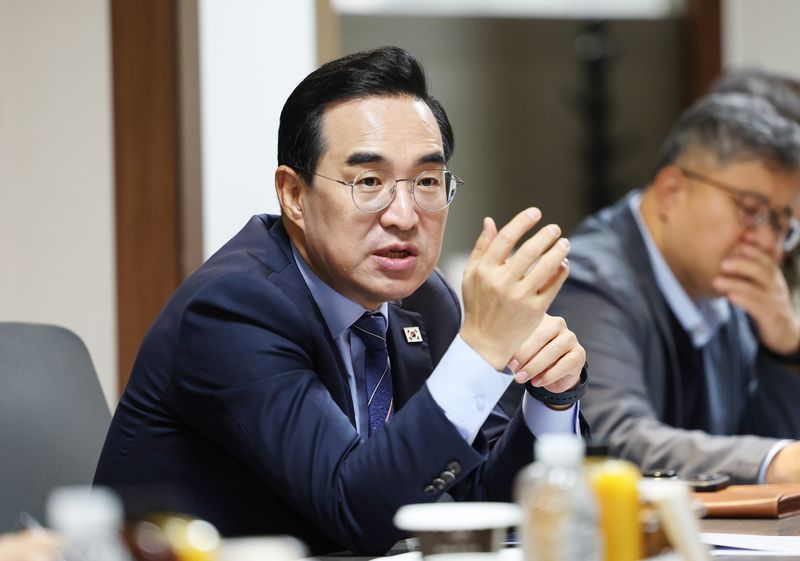
Minister Park Hong-keun of the Ministry of Planning and Budget chaired a meeting of the Future Strategy Advisory Council at Space Share in Yongsan District, Seoul, that day. Experts from the public and private sectors took part, and the participants discussed these issues.
After announcing the results of its first survey, conducted last July among 500 young people, the ministry this time held FGIs with a total of 24 young people, including university students (ages 19–26) and office workers (ages 30–34), and surveyed 10 experts.
FGI participants cited structural uncertainty—including the growing difficulty of predicting the results of individual effort compared with the past—as a major source of anxiety today.
University students mentioned difficulties entering the labor market, while office workers pointed to the difficulty of planning for the long term, including finding housing, marriage and childbirth.
Participants identified basic stability in life and improving quality of life as important values. They said they hoped for a future with less excessive competition and comparison, and fewer conflicts across generations, genders and regions.
Experts who took part in the survey recommended that the government present a concrete vision of the future that young people and the public can relate to. Their suggestions included transforming undervalued work in caregiving, small and medium-sized enterprises, and rural areas; improving performance-sharing structures; and adjusting infrastructure to reflect the changing population structure.
Experts outlined the kinds of society a medium- to long-term national strategy should aim for: one where young people and the public feel safe and can shape their lives proactively; one where people can get back on their feet after failure; and one where people actively participate in policymaking.
The Ministry of Planning and Budget heard views from private-sector experts in academia and the media on the main elements of the 2045 National Development Strategy at the meeting that day. Participants agreed that the strategy should include measures to ease polarization and prepare for factors such as changes in the population structure, regional depopulation and climate change.
Minister Park Hong-keun of the Ministry of Planning and Budget said, “We have gathered public opinion from a range of perspectives, and in particular are actively identifying tasks to support the future that young people, the leaders of future society, hope for. We will carefully develop the strategy with the mindset that we are designing the next 100 years.”
[email protected] Kim Jun-hyeok Reporter