Jeju National University to Track the Growth of 2,000 Students, Use Data for Educational and Career Support
- Input
- 2026-11-02 09:04:21
- Updated
- 2026-11-02 09:04:21
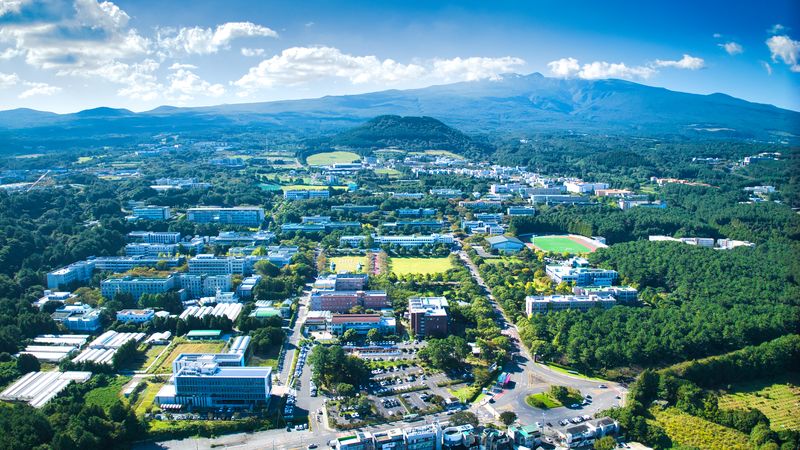
【Financial News | Jeju Province: Reporter Jeong Yong-bok】 Jeju National University has built a database to continuously track changes in the university experiences and learning competencies of 2,000 students. The system brings together survey results previously scattered across departments so they can be used to improve the curriculum and provide tailored support to individual students.
According to Jeju National University on the 2nd, it has established the JNU Student Growth Compass (JNU-COMPASS), which comprehensively analyzes students’ learning experiences, core competencies and educational satisfaction, and is operating a student panel.
A student panel is a way to track changes over time by repeatedly surveying the same students. Jeju National University formed a panel of 2,000 students to reflect the characteristics of its 99 admissions units. It plans to select students based on factors such as year of study, gender and admission track, and track changes in their university experiences and competencies from enrollment through graduation.
Previously, surveys on teaching and learning innovation, the Core Competency Assessment (J-CESA), university life and educational satisfaction were conducted separately by different departments. Going forward, the university will link the survey results to comprehensively analyze how students’ learning experiences and educational outcomes change.
The findings will be used to improve student-specific academic and career support, as well as extracurricular programs offered outside the regular curriculum. The university also plans to assess the results that its education policies and government-funded programs have achieved in terms of actual student growth.
Jeju National University plans to award scholarships to students who take part in the surveys and bring in-house the survey work previously outsourced to external research firms. The aim is to build a foundation for accumulating and analyzing data internally and applying the findings to education policy.
This initiative is an attempt to evaluate the university’s educational outcomes based on students’ long-term changes, rather than one-off satisfaction ratings or the results of individual surveys.
Jeju National University President Yang Deok-sun said, “We will strengthen support tailored to each student’s characteristics and needs, and ensure that data analysis leads to improvements in the curriculum and student support policies.”
[email protected] Jeong Yong-bok Reporter