Five years since Jeju Literature Museum opened... seeking new ways to preserve and make use of regional literature
- Input
- 2026-11-02 08:43:41
- Updated
- 2026-11-02 08:43:41
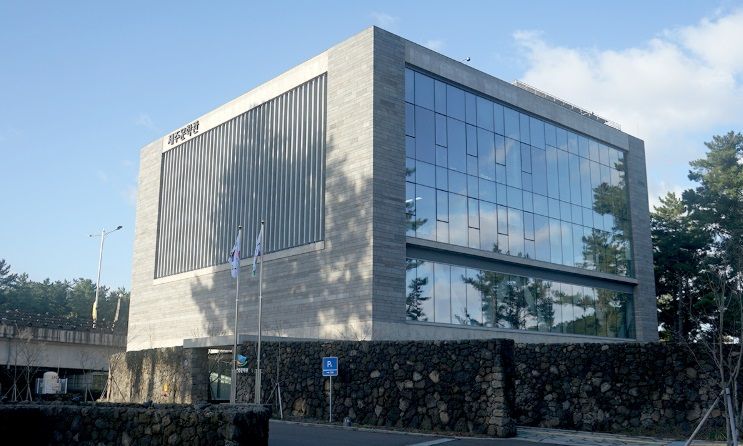
【Financial News, Jeju = Jeong Yong-bok, Correspondent】 Jeju Literature Museum, established as a long-awaited project for Jeju writers, is marking its fifth anniversary by taking a fresh look at the preservation and use of regional literature and the museum’s public role.
According to Jeju Special Self-Governing Province on the 2nd, Jeju Literature Museum will hold a literature seminar at 3 p.m. on the 7th in the grand auditorium on the museum’s fourth floor in Donam-dong, Jeju City. The seminar’s theme is “The Development of Regional Literature and Five Years of Jeju Literature Museum.”
The seminar was organized to review the achievements and challenges of Jeju Literature Museum’s first five years of operation since it opened on October 23, 2021, and to discuss expanding cooperation with regional writers and literary organizations and the museum’s future direction.
Jeju Literature Museum is the first public specialized literature facility in Jeju, established after the need for one had been publicly discussed in the regional literary community since 2003. It was built with a total investment of 9.7 billion won, including 3.8 billion won in national government funds and 5.9 billion won in provincial funds, and has four above-ground floors. It includes permanent and special exhibition halls, storage facilities, research and education spaces, and a grand auditorium.
Documents on the museum’s construction that Jeju Province submitted to the provincial council in 2018 listed the study and collection of Jeju literary materials, the discovery of literary content, and support for the creative work of regional literary artists among its main purposes. The aim was not only to create a space for exhibiting literary works, but also to establish a systematic history of Jeju literature and create a hub for making use of the region’s literary resources.
Since opening, Jeju Literature Museum has introduced the formation of modern Jeju literature and the development of contemporary literature, and has exhibited works reflecting the region’s distinctive history and culture, including Jeju-language literature and mythology, literature about the Jeju April 3 Incident, and Badang literature.
Collecting and preserving literary materials is also a major undertaking. According to Jeju Province, Jeju Literature Museum had collected 1,943 items related to literature by that point. The province is pursuing the systematic preservation and digitization of the collected materials. This year, it also held a public call for purchases of classical texts related to Jeju and modern and contemporary literary materials.
As the collection grows, finding ways to use the materials in research, education and exhibition content is also emerging as an important challenge. Jeju literature has distinct regional characteristics, including the Jeju language, oral literature, exile literature, the historical experience of the Jeju April 3 Incident, and maritime culture. This makes it necessary not only to preserve literary materials but also to interpret their significance and pass it on to future generations.
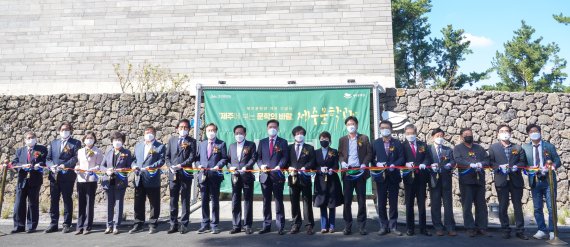
Professor Kim Dong-yun of the Department of Korean Language and Literature at Jeju National University will deliver the keynote presentation at the seminar. Under the theme “The Development of Regional Literature and Five Years of Jeju Literature Museum,” Professor Kim will examine the value of regional literature and the role of the museum, and present a vision for its future.
The designated discussion will be moderated by Kim Su-yeol, former chairman of the Jeju Cultural and Arts Foundation. Participants include Park Jae-hyeong, director of Jeju Handwritten Literature Museum; Kang Bong-su, president of the Jeju Writers’ Association; Jin Seon-hui, a reporter for Halla Ilbo; and Kim Seok-beom, a member of the Jeju Literature Museum’s operating committee.
The discussion will cover ways to raise the profile of Jeju literature, strengthen cooperation with regional writers and literary organizations, and expand the museum’s public role. A following general discussion and question-and-answer session will gather residents’ views.
To mark its fifth anniversary this year, Jeju Literature Museum is also holding special events highlighting literature’s social role. On October 23, it hosted a special lecture by television writer Song Ji-na, who spent her school years in Jeju. The first-floor book café is also hosting a photographic exhibition, “Linking the Times of Literature: A Record of Five Years of Jeju Literature Museum,” through the 7th.
The photographic exhibition looks back at major events and programs held on themes including the Jeju language, Jeju mythology, literature about the Jeju April 3 Incident, and writers from Jeju. It presents, through photographs and records, activities involving writers and residents over the past five years.
The role of a regional literature museum extends beyond preserving and exhibiting literary materials to include building up research findings, supporting regional writers’ creative work, and expanding residents’ opportunities to enjoy literature. A key focus of the discussion is how Jeju Literature Museum can connect these functions and develop its collaboration with the regional literary community going forward.
Jeju Province plans to use the views presented at the seminar when considering policies for the museum’s future operations and the development of regional literature. Anyone interested in literature may attend, and up to 150 people can register on a first-come, first-served basis through the Jeju Literature Museum website.
Ryu Il-sun, director of Jeju Province’s Bureau of Culture, Sports and Education, said, “Building on cooperation with the regional literary community, we will raise the value of Jeju literature and create a museum that residents can share in.”
[email protected] Jeong Yong-bok Reporter