Military launches Defense Drone Headquarters, its 'procurement and technology control tower,' and steps up efforts against North Korea's drone threat
- Input
- 2026-11-02 11:00:06
- Updated
- 2026-11-02 11:00:06
The most significant feature of the overhaul is a 'fundamental restructuring' that clearly separates the operational use of drones from technical support. The subordinate units and military operation missions of the former Drone Operations Command, established in response to North Korean drones' airspace incursion in September 2023, have been transferred to operational commands under each service, in line with the characteristics and operating environments of the Army, Navy, Air Force and Marine Corps. The aim is to make drones commonplace—not specialized assets monopolized by a particular command, but more like a 'second personal weapon' used at every echelon—and to develop operational concepts directly, optimized for each service's field conditions.
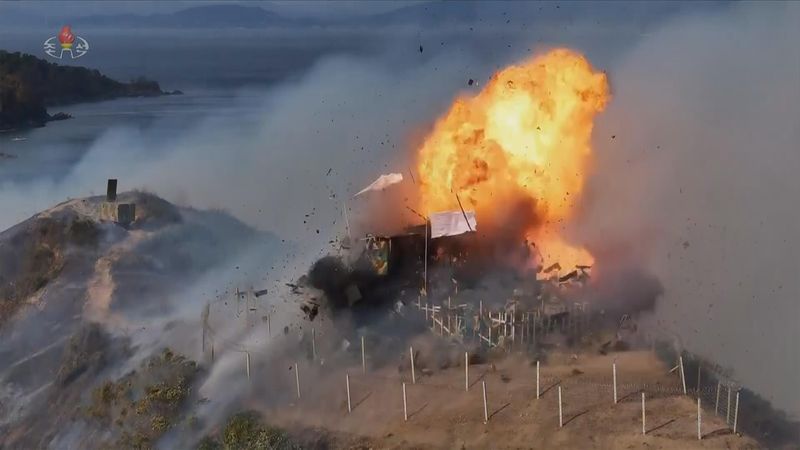
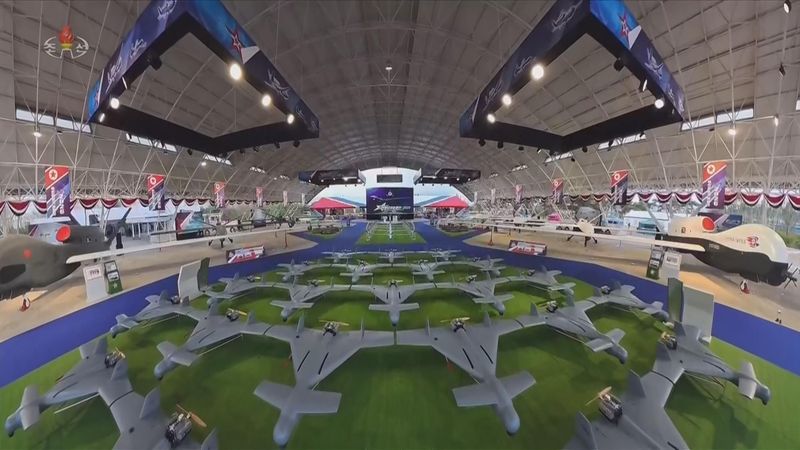
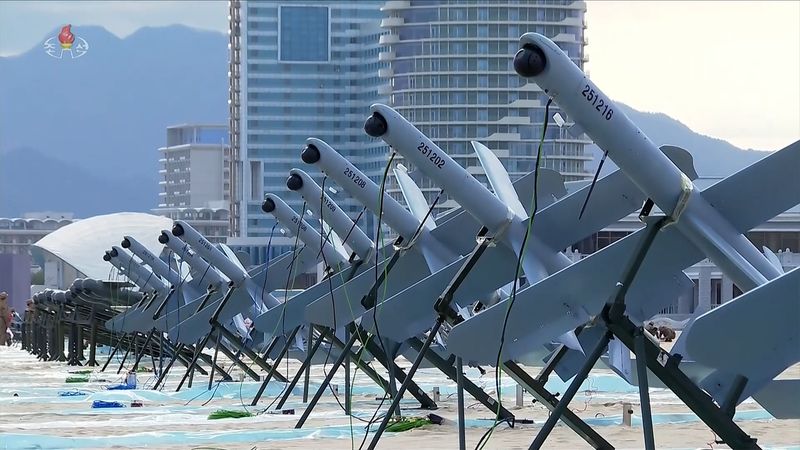
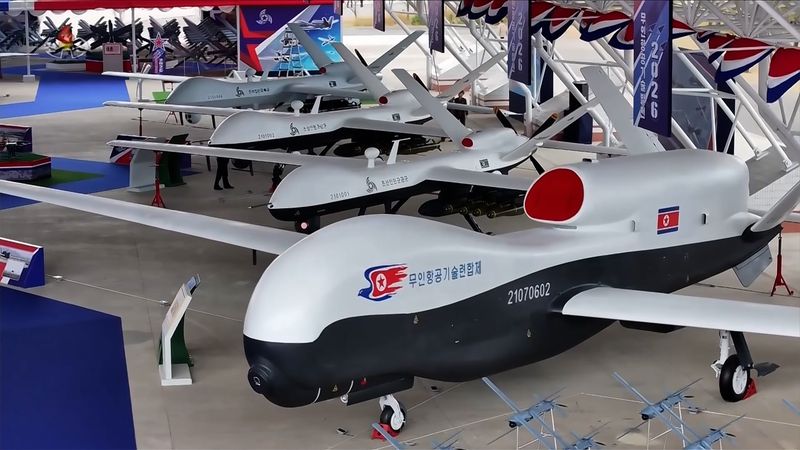
By contrast, the newly launched Defense Drone Headquarters will operate as a specialized, ministry-style organization that sets policy-level directions for developing drone and counter-drone capabilities applicable across the armed forces. Moving away from the conventional, command-centered operational staff structure, it has streamlined its organization around colonel-level division chiefs and field-grade officers, reducing its authorized strength from about 280 to around 100. Its inaugural chief has been appointed at the rank of major general to give the organization strong momentum in advancing policy.■ Speeding up the response to North Korea's asymmetric 'cardboard and stealth' drones amid closer North Korea–China–Russia tiesThe launch of the Defense Drone Headquarters comes amid the rapid escalation of asymmetric security threats surrounding the Korean Peninsula. North Korea recently held a large-scale unmanned aviation technology exhibition attended by Workers' Party of Korea General Secretary Kim Jong Un, showcasing a lineup ranging from a large, stingray-shaped stealth drone technology demonstrator to loitering suicide drones modeled on U.S. and Israeli designs and quadcopter suicide drones designed to precisely strike frontline guard posts and mechanized forces.
Experts are particularly concerned that North Korea has successfully established a 'mass-production system' for low-cost cardboard drones that are difficult to detect by radar, drawing on a parts supply chain centered on North Korea, China and Russia, as well as cooperation on design and engine technology. This represents a full embrace of a mass-attrition warfare paradigm centered on cost-effectiveness, a defining feature of modern warfare.
By comparison, the South Korean military's current response has been criticized as inadequate and in need of urgent improvement. The military has made sweeping pledges, including to 'train 500,000 drone warriors,' but assessments indicate that FPV (first-person view) drones in actual field use remain at a training-grade level. A security think tank has also delivered a sobering assessment that domestically developed aircraft are too inflexible to counter attacks by thousands of enemy suicide drones, as their per-unit costs soar because they carry high-end equipment such as expensive satellite data links. This is why critics say the overhaul must be more than a simple change in unit name: it needs to build substantive capacity to address these tactical realities and overcome past trial and error.■ Benchmarking U.S. 'Blue UAS' to accelerate procurement reform through 'spin-on'The Defense Drone Headquarters will accelerate the military's ability to fight future wars through four core missions: developing drone operational concepts and reviewing and adjusting force requirements by analyzing recent patterns of warfare; demonstrating advanced technologies in the Korean Peninsula's operational environment and supporting rapid force acquisition; improving operational and management systems, including by establishing a military certification framework for commercial drones and standardizing parts; and promoting a stronger domestic drone industry ecosystem through cooperation among the private sector, government and military.
The headquarters will fundamentally reform a long-standing gap that has delayed the introduction of advanced technology because of rigid defense procurement procedures. The Ministry of National Defense plans a major overhaul of the procurement system, modeled on the U.S. Department of Defense's Blue UAS program, which pre-registers commercial drones whose security and performance have been verified in a military-only marketplace so frontline units can purchase them immediately. The core of the plan is to establish a 'spin-on' system that rapidly brings high-quality civilian technology into military service.
The Defense Drone Headquarters is reportedly planning to take part directly in the Joint Chiefs of Staff's requirements review process to coordinate and consolidate similar or overlapping projects among the services in advance. DAPA will remain solely responsible for existing acquisition program management, including purchase contracts and quality certification. The headquarters will coordinate and support the development of requirements planning and certification standards for capabilities shared across the armed forces, aiming to head off criticism that it would create a redundant layer over DAPA and substantially speed up fielding.
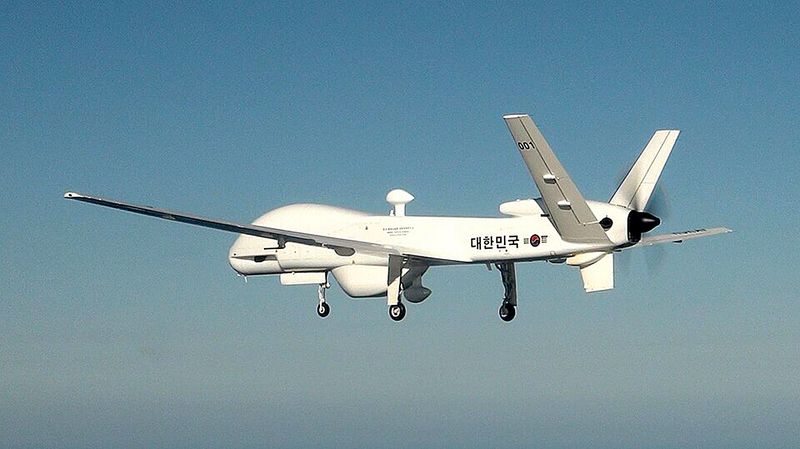
The military plans to use these reforms to accelerate the fielding of the Korean suicide drone K-LUCAS for strategic strikes and the neutralization of enemy air defenses, while rapidly securing and deploying at least 20,000 expendable, low-cost drones to the field. It also said it would begin fully fielding the independently developed Medium Altitude Unmanned Aerial Vehicle (MUAV) for reconnaissance this year, steadily strengthening all-weather surveillance and response capabilities against strategic enemy targets.\\
[email protected] Lee Jong-yoon Reporter