Ministry of Culture, Sports and Tourism and Ministry of Land, Infrastructure and Transport: “Regional airports to become new gateways for foreign visitors”
- Input
- 2026-11-02 16:00:00
- Updated
- 2026-11-02 16:00:00
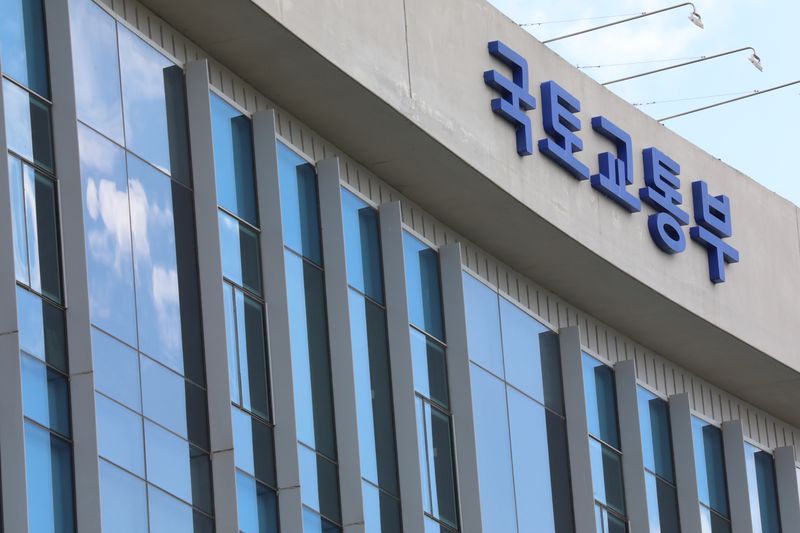
[Financial News] The ministries responsible for tourism and transport have joined forces to ensure foreign tourists can arrive at regional airports and travel around local areas without inconvenience.
The government said on the 2nd that the Ministry of Culture, Sports and Tourism and the Ministry of Land, Infrastructure and Transport held the third Tourism and Transport Policy Coordination Council that day at Government Complex Sejong. The council was launched last May to break down barriers between ministries and strengthen field-oriented policy support. It is a problem-solving body designed to quickly address inconveniences that tourists visiting South Korea encounter when entering the country and getting around.
At the meeting, participants reviewed the progress of cooperation and outstanding issues, presented strategic tasks to make it easier for inbound visitors to get around, and exchanged views. Topics included ways to revitalize regional airports; expanding open-loop payment systems, which allow people to pay public transport fares with foreign credit cards without a transit card; improving foreign tourists’ access to rail and bus services; and upgrading taxi and map services. They also discussed plans for a tourism brand that would encourage visitors to stay longer in local areas.
The ministries will continue to follow up on issues raised in the field. This year, they held Regional Tourism Promotion Cooperation Forums Linked to Regional Airports in Daegu, Gimhae and Yangyang to identify issues, and plan to continue managing them. In December, they will hold a plenary forum at the National Assembly to hear from the public and experts, and intend to actively reflect the results in their joint project plans for 2027.
Regional airports are receiving attention because the growth in inbound visitors is spreading to regions as well. From January to September this year, 17.11 million foreign tourists visited South Korea, up 21.5% from the same period last year. That figure has already reached 90.3% of last year’s annual total of 18.94 million, a record. Arrivals through regional airports are also rising rapidly. According to the Korea Tourism Organization, 20.7% of air arrivals in the first half of this year used one of four regional airports—Cheongju, Daegu, Gimhae or Jeju—up from 16.6% in the first half of 2024 and 17.8% in the first half of 2025. In other words, about one in five foreign visitors arrived through a regional airport.
Kang Jeong-won, director general of tourism policy at MCST, said, “Spreading the achievement of record-high inbound visitor numbers to regions across the country is a key task as we work toward an era of 30 million foreign visitors. Above all, it is important to bring together MCST’s ability to develop compelling content and market it with MOLIT’s robust aviation and transport infrastructure. We will work to strengthen K-tourism marketing and improve transport services so visitors can travel without inconvenience throughout their journey and fully enjoy South Korea’s appeal.”
Park Jae-sun, director general of transport and logistics at MOLIT, said, “To enable more foreign visitors to arrive through regional airports, we will expand international flights and broaden air links by increasing slots at international airports and giving inbound flights priority in slot allocation. We will also improve rail, bus and taxi services, as well as payment options, so visitors can travel conveniently from airports to local areas. Through close cooperation with MCST, we will make regional airports new gateways for foreign visitors.”
[email protected] Jeong Gyeong-su Reporter