[Editorial] Exports are on the brink of $1 trillion, but middle-class incomes are backsliding
- Input
- 2026-11-01 19:22:22
- Updated
- 2026-11-01 19:22:22
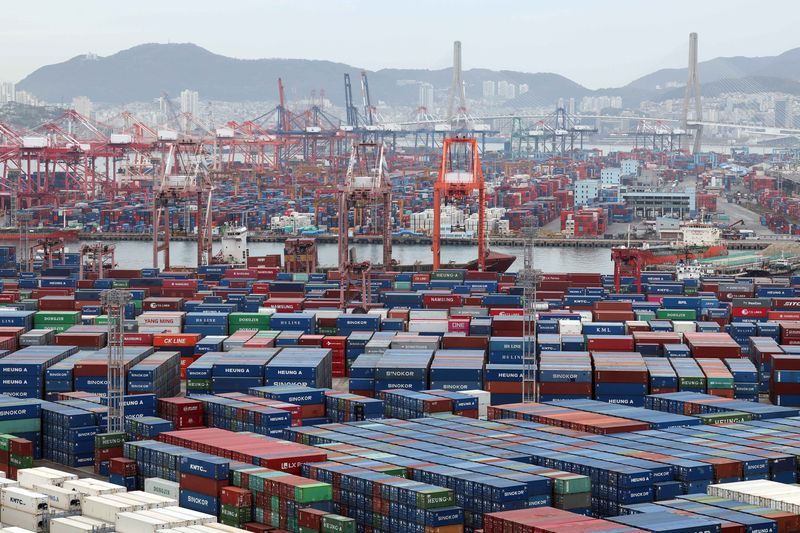
The $1 trillion milestone is a valuable achievement that demonstrates the strength of South Korea's export pioneers. Those who roamed world markets barefoot half a century ago, blazing a trail, made today possible. But the problem is the gap between these impressive figures and conditions on the ground. The 2024 income mobility statistics released that day by the National Data Agency show this as well. Among people in the middle-income bracket (the third quintile), 40% saw their earned and business income fall from the previous year. This is the highest figure since 2020, when the impact of COVID-19 was severe. Of those whose income fell, one in three saw it drop to half or less of the previous year's level.
The benefits of record exports are not spreading throughout the economy. The economy also posted surprisingly strong growth in the third quarter, but private consumption actually declined, and retail sales fell for a second consecutive quarter. Despite the impressive export and growth figures, life remains tough for the middle class.
The crisis facing most of the country's key industries has been masked by the semiconductor boom. Key sectors such as automobiles and petroleum products, once drivers of exports, now face a critical crossroads amid China's rise, global protectionist barriers and geopolitical risks. Hyundai Motor, which recorded its highest-ever revenue last year, saw revenue fall in the third quarter for the first time in six years. The oil industry, too, benefited only from price increases driven by high oil prices, while actual export volumes fell even further.
The semiconductor industry is a core asset of the South Korean economy, but excessive reliance on it is itself a risk. Semiconductor exports in October came close to half of the total and soared 259% in a year. Some continue to warn that there is no telling how long this super-boom will last. The plunge in U.S. technology stocks last Friday was also the result of growing concerns about the profitability of astronomical investments in artificial intelligence (AI). It is not yet a situation in which we can conclude that the AI investment boom will soon fade or that demand for South Korean semiconductors will plunge. But if a slowdown in investment by global big tech companies becomes a reality, the impact on South Korean exports and the economy as a whole will be immeasurably large.
What is needed now is an effort to change the fundamentals of the economy, rather than vague optimism. The boom period generated by semiconductors should be seized as an opportunity to transform the industrial structure. Regulations that hamper production and investment in other key industries, including shipbuilding, biotech and defense, should be lifted, and the industrial ecosystem strengthened. A virtuous cycle is needed in which export gains lead to more jobs and higher household incomes, and a recovery in the middle class's purchasing power. Next year's 821 trillion won budget, too, should be assessed by its real impact on growth rather than its size. Unproductive spending that only adds to inflationary pressures should be weeded out. This is a crucial time for sound fiscal management and bold structural reform.