Gyeongju’s Bomun Tourist Complex goes all out to become a global K-tourism hub
- Input
- 2026-11-01 14:46:07
- Updated
- 2026-11-01 14:46:07
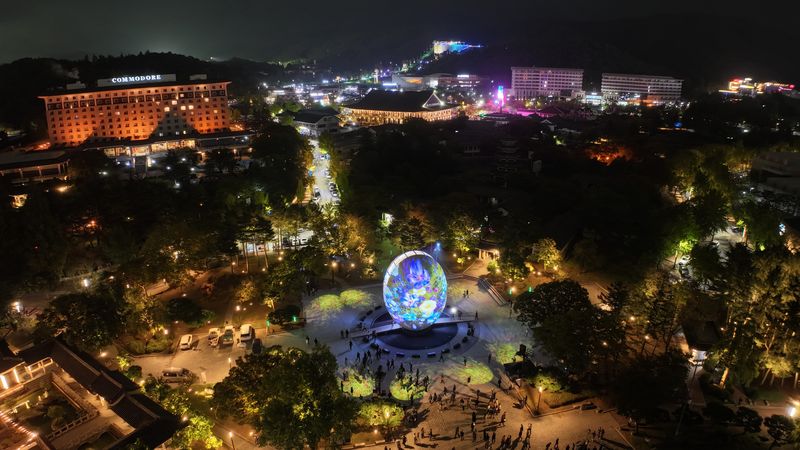
【Financial News, Gyeongju = Reporter Kim Jang-wook】Gyeongju’s Bomun Tourist Complex is making an all-out effort to become a global K-tourism hub, building on the gains from the first anniversary of the APEC summit.
In particular, marking the first anniversary of the 2025 APEC Economic Leaders’ Meeting, it is firmly establishing itself as a global tourist city that draws visitors from around the world.
According to an analysis of Korea Tourism Data Lab data by the Gyeongsangbuk-do Culture and Tourism Organization (the “Organization”), around 1.162 million foreign visitors came to Gyeongju from January through September this year, up 19.6% from the same period a year earlier. Gyeongsangbuk-do as a whole recorded around 4.656 million foreign visitors during the same period, up 15% from around 4.05 million in the corresponding period of 2025.
Foreign visitors are increasingly traveling not only to Gyeongju but across Gyeongsangbuk-do. Andong-si saw a sharp 34.5% year-on-year increase, with around 278,000 foreign visitors from January through September this year.
“The DNA of openness and inclusiveness that Seorabeol, an international city a thousand years ago, possessed is drawing visitors from around the world today, with APEC as a catalyst,” President Kim Nam-il said. “Building on the regulatory reforms and private-investment gains made over the past year, we will continue our push to become a ‘global K-tourism hub’ where visitors can stay and be moved,” he stressed.
Ahead of last year’s APEC summit, the Organization carried out a project to improve nighttime scenery at Bomun Tourist Complex, with a total budget of 15 billion won, including government funding. It created an APEC symbol sculpture and media art at Bomun Lakeside Plaza and upgraded the landscape lighting along walking paths and major bridges within the complex.
Efforts are also continuing to sustain tourism momentum after APEC. Each month, the Organization identifies Gyeongsangbuk-do’s lesser-known tourism resources and distinctive local attractions and showcases them in a range of tourism promotional content.
The wave of change is also extending steadily into the private sector. A prime example is the 500-billion-won private-investment partnership agreement the Organization signed over the past year with 10 companies in Bomun Complex.
The country’s first tourist complex, with a 50-year history, is transforming into a nationwide model for regulatory reform through public-private cooperation.
On October 31, Gyeongju Expo Grand Park changed its name to Gyeongju APEC Memorial Park and began a new chapter. The APEC Summit Memorial Hall also opened. It is expected to become a new tourist attraction where visitors can reflect on historic moments shared by world leaders and the significance of hosting APEC.
The Organization plans to add new nighttime tourism offerings, including the “Route of Light” (Night Trail), along the 9.5-kilometer walking path around Bomunho Lake, and to turn Gyeongsangbuk-do’s increased profile through APEC into sustained tourist visits and a more vibrant local economy.
[email protected] Kim Jang-wook Reporter