AI Use of Personal Information: Is Consent Needed Every Time? 200 Members of the Public Debate
- Input
- 2026-11-01 14:34:08
- Updated
- 2026-11-01 14:34:08
[Financial News] When you ask an AI assistant to book a restaurant, your name and phone number are passed on to the booking platform and the restaurant. Can a user's request to make a reservation alone be considered consent to the disclosure of personal information?
Around 200 members of the public gathered at The Commons at Yonsei University in Seoul's Seodaemun District on the 1st to discuss the issue. They considered whether consent must be obtained every time personal information is transferred to another business, or whether it is sufficient to notify users in advance and give them an opportunity to refuse when there is a lawful basis for the transfer.
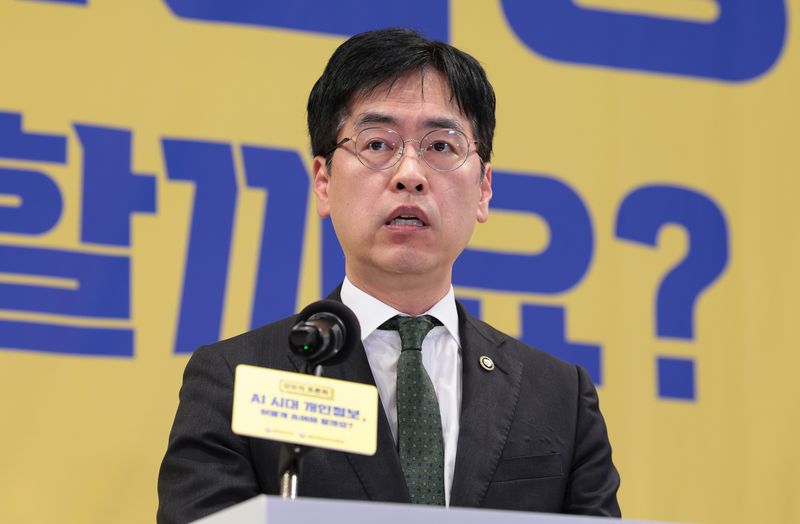
The Ministry of the Interior and Safety and the Personal Information Protection Commission held the third 'Everyone's Debate' that day on the topic 'In the AI Era, How Should We Protect and Use Personal Information?'
The current Personal Information Protection Act allows personal information to be processed not only with the data subject's consent but also when certain conditions are met, such as the performance of a contract, a legal obligation, or the legitimate interests of the personal information controller.
The debate considered two approaches: obtaining consent each time before using personal information, and, when there is a legitimate legal basis, informing users in advance of the purpose and details and allowing them to refuse if they wish.
Those who favor prior consent argue that users should be able to check for themselves how their information will be used and decide whether to allow it. Others pointed out that if there are too many consent procedures, users may agree as a formality without reading the details.
Experts stressed that discussions should address not only the scope of personal information use but also the responsibility of companies and the government to protect it.
Kim Byeong-pil, a professor in KAIST's Department of Management of Technology, said, "We need to establish criteria together for which decisions to entrust to AI and when to have it ask me again."
Kim Do-seung, a professor at Jeonbuk National University's Law School, pointed out the limits of leaving personal information protection solely to individuals' consent. He stressed, "For individuals' right to self-determination to be effectively guaranteed, companies must take responsibility for the lawfulness and security of their personal information processing, and the state must also establish and effectively operate systems to prevent risks and provide redress for violations of rights."
In his remarks, Vice Minister Kim Min-jae said, "It is difficult to resolve the complex issues facing the government through one-sided administration from behind a desk alone," adding, "I believe the answers to policies that touch our lives are always to be found in the vivid realities of the people." He said, "Safe use of personal information in the AI era is not an answer from any one expert, but a vision of the future that we must shape together by putting our heads together and reaching consensus," and added, "The public's incisive criticism and wise proposals will serve as a compass for determining the direction of our government's future policies."
The government plans to use public feedback and expert proposals from the debate in its future policy reviews aimed at improving the personal information system.
[email protected] Lee Bomi Reporter