Interviews by the Prosecution Service before seeking arrest warrants codified, but 'gaps' remain in the right to a defense
- Input
- 2026-11-01 13:48:53
- Updated
- 2026-11-01 13:48:53
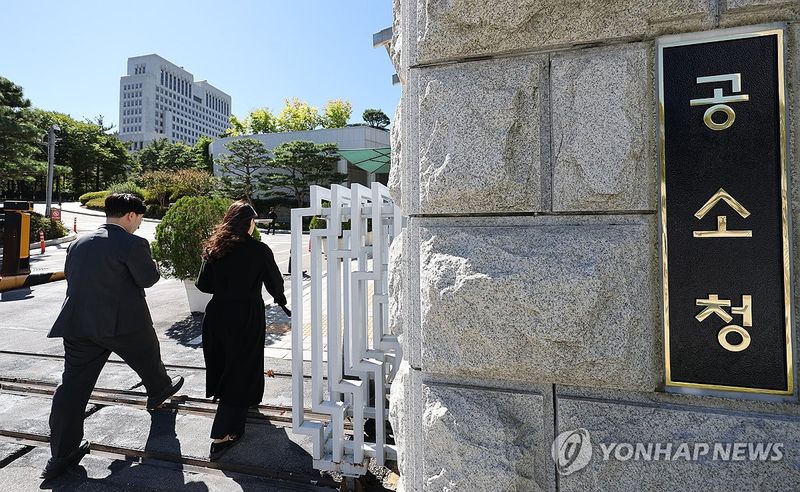
[Financial News] A month has passed since the system requiring Prosecution Service prosecutors to interview suspects before seeking arrest warrants was codified with the amended Criminal Procedure Act of the Republic of Korea taking effect. However, critics say that the right to a defense remains limited because suspects and their lawyers are not given sufficient information about the specific alleged crimes and grounds for detention.
According to legal sources on the 1st, under the system, Prosecution Service prosecutors listen directly to the views of suspects, their lawyers and the police officers who applied for the warrants, in addition to reviewing the investigation records, before deciding whether to seek a warrant. In effect, a procedure similar to the court’s substantive review of an arrest warrant has been introduced at the Prosecution Service stage.
Interview procedures already existed, but their inclusion in the law strengthened the requirement that an interview generally be held when police apply for a warrant. The Prosecution Service is actively using the system to verify the legality of investigations and protect human rights. It is also intended to establish the facts through interviews, as the abolition of the authority to conduct supplementary investigations has made it more difficult to directly supplement cases referred to it.
Interviews are usually held in a separate room at the Prosecution Service around three days after a warrant application is filed. The prosecutor sits in the middle, while the suspect and the police officer sit facing each other. The prosecutor explains the alleged crimes set out in the application; the police argue that detention is necessary, and the suspect’s side contests that claim. The prosecutor asks both sides questions based on the investigation records to establish the facts.
The problem is that suspects and their lawyers cannot see the police warrant application. At a court’s warrant review, they can check the alleged crimes and grounds for detention listed in the application, and the prosecutor informs them of these at the start of the review. By contrast, at Prosecution Service interviews, access to the application is not allowed, citing reasons such as the need to protect the investigation. Defense lawyers say they have to argue their case while guessing at the allegations and grounds for detention because they do not know what basis the police are relying on to claim detention is necessary. Some also say that suspects should at least be informed of the alleged crimes. Concerns have also been raised that suspects without lawyers may struggle to answer properly when asked whether they admit to the allegations.
There is also agreement within the Prosecution Service. Prosecutors increasingly recognize that suspects need to know the gist of the allegations to give their views properly, and that the current structure can make it difficult for them to defend themselves. Some say the Prosecution Service should discuss with the police allowing suspects to review the application during interviews.
One proposal under discussion is to establish a legal basis in the Criminal Procedure Act of the Republic of Korea or investigative rules for access to and provision of warrant applications. Academics also say a notification mechanism before the review, comparable to the court’s substantive warrant review, is needed. If advance notice is difficult because of investigative confidentiality, they say suspects’ right to a defense should still be strengthened through other means.
[email protected] Kim Dong-gyu Reporter