National mining and manufacturing output rises, but Jeju falls 7.4% as inventories rise 9.3%
- Input
- 2026-11-01 11:24:33
- Updated
- 2026-11-01 11:24:33
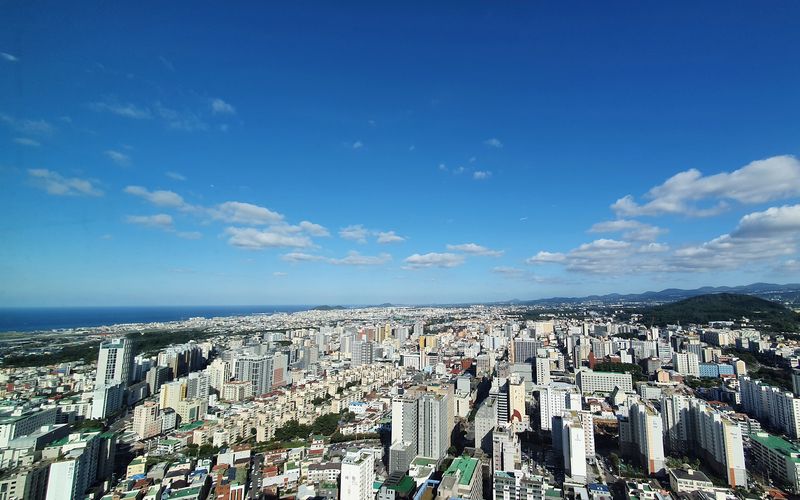
【Financial News | Jeju = Jeong Yong-bok, Reporter】 In September, when mining and manufacturing output increased nationwide, output and shipments in Jeju both declined while inventories rose. Big-box store sales ended a six-month decline, but total sales for the third quarter were down from a year earlier, making it too early to determine whether the local economy's industry and consumption are recovering.
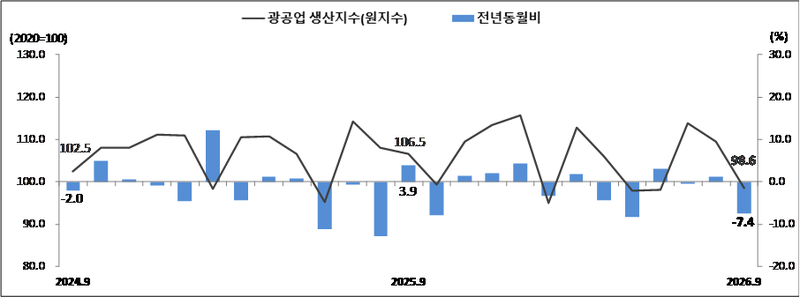
According to the “September 2026 Industrial Activity Trends” released on the 1st by the Ministry of Data and Statistics, and regional statistics from its Jeju office, national mining and manufacturing output rose 1.2% in September from the same month last year. By contrast, output in Jeju's mining and manufacturing sector fell 7.4%, an 8.6-percentage-point gap from the national figure.
Jeju's mining and manufacturing production index fell to 98.6, down from 106.5 in September last year. Manufacturing output declined 10.3%. Mining and manufacturing is an indicator that includes manufacturing, mining, and electricity and gas industries; it is distinct from total production in the regional economy, which also encompasses services such as tourism.
By industry, output of electronics and telecommunications fell 61.2%, while beverages declined 19.9% and food products 4.5%. In contrast, pharmaceuticals rose 20.1% and metal processing increased 13.5%. Chemical products also surged 522.2%, largely because the production index in the same month last year was low, at 9.0. This September's index was 56.0, below the base-year level.
The shipments index, which indicates the volume of products leaving factories, also fell. In September, shipments in Jeju's mining and manufacturing sector declined 7.2% from a year earlier, while manufacturing shipments fell 10.1%. Shipments of electronics and telecommunications fell 63.2%; nonmetallic minerals declined 9.3% and food products 2.6%.
By contrast, inventories in the mining and manufacturing sector rose 9.3% from the same month last year and 4.1% from the previous month. Beverage inventories increased 21.1%, food product inventories 6.7%, and chemical product inventories 43.4%.
In particular, inventories in the beverage manufacturing industry rose 21.1% even as output fell 19.9%. Food products also saw inventories climb 6.7%, while output and shipments declined 4.5% and 2.6%, respectively. However, the increase in inventories cannot be attributed solely to weak sales, so production schedules and changes in demand need to be considered together.
Declines in output and shipments were also evident on a quarterly basis. In the third quarter of this year, output in Jeju's mining and manufacturing sector fell 2.1% from the same quarter last year, while shipments declined 5.5%. In September, output and shipments rose 1.1% and 1.2%, respectively, from the previous month, showing a slight improvement from the month before.
Consumer indicators showed a different trend. Jeju's large retail store sales index stood at 87.4 in September, up 4.0% from the same month last year. This ended a six-month consecutive decline that had continued from March through August. Sales of food and beverages, cosmetics, and clothing rose, while sales of home appliances, shoes, bags, and other items fell.
However, total sales at large retail stores in the third quarter fell 9.8% from the same period last year. In particular, Chuseok fell on October 6 last year but on September 25 this year, so the difference in the timing of holiday spending must also be considered when comparing monthly results. This is why it is difficult to conclude that the increase in sales in September alone signals a recovery in consumer spending.
Jeju's industrial activity showed production trends diverging from the national picture, alongside falling shipments and rising inventories. Whether output and shipments recover and inventory growth eases, and whether the increase in big-box store sales continues after Chuseok, remain key indicators to watch for the local economy.
[email protected] Jeong Yong-bok Reporter