Voluntary reports now accepted for youth drug offenses as well as gambling; police to support treatment and recovery
- Input
- 2026-11-02 06:00:00
- Updated
- 2026-11-02 06:00:00
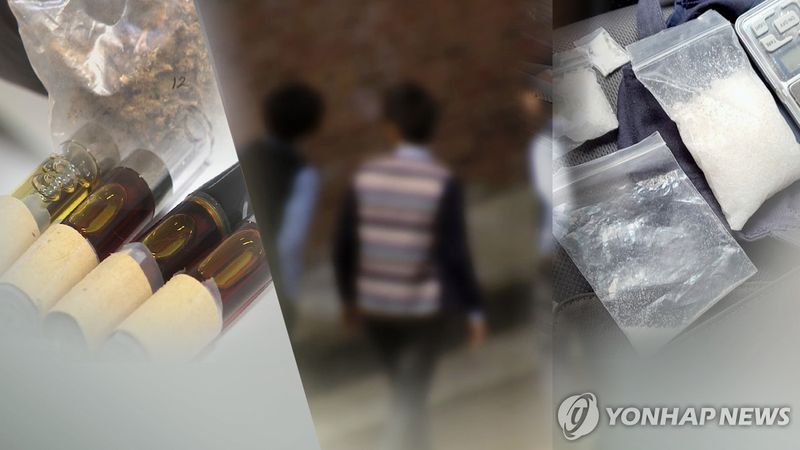
[Financial News] Following cyber gambling among teenagers, police will now also accept voluntary reports of drug offenses. They will provide counseling and treatment for teenagers who report themselves, and are also working on plans to show leniency in minor cases, including release with a warning, after a guidance review.
The National Police Agency announced on the 2nd that it will run a one-month “Voluntary Reporting Period for Youth Addiction-Related Crimes” from the upcoming 16th through December 15.
The measure aims to address the spread of cyber gambling and drug problems among teenagers. From May 18 through August 31, police ran a voluntary reporting period for youth cyber gambling in coordination with relevant government agencies, receiving reports from a total of 1,777 people and referring them to treatment programs.
This time, police have expanded eligibility for voluntary reporting from cyber gambling to drugs. Youth drug offenses had previously been excluded from guidance measures given the seriousness of the crimes, but police decided that treatment and recovery should take priority over punishment in minor cases.
The move also takes into account the recent trend of drugs spreading among teenagers in various forms, including cold medicines, diet pills and medications that boost concentration.
Those eligible to report are minors under 19 who have experience with cyber gambling or drugs, or their guardians. Reports will generally be accepted through the 117 School Violence Report Center.
When a report is received, a school police officer will handle cyber gambling cases and an investigator will handle drug cases, conducting counseling and assessments together with a professional counselor. Depending on the results, they will then refer the young people to addiction treatment programs at specialized organizations such as the Korea Center on Gambling Problems Prevention and Healing and the Korean Association Against Drug Abuse (KAADA), or at the psychiatry departments of university hospitals.
In processing cases, police will take an overall look at the seriousness of the offense, the young person’s degree of remorse and progress in recovery. After review and resolution by each police station’s guidance review committee, which includes outside experts, police plan to show leniency to the extent possible, including releasing the young person with a warning or requesting a summary trial.
Even after a case is concluded at the police stage, school police officers and specialist gambling and drug counselors will continue follow-up support, including counseling. Police also plan to monitor cases for three months after a voluntary report is made.
Acting Commissioner General of the Korean National Police Agency Kim Jong-cheol said, “The most important thing about the voluntary reporting system is to identify young people at risk of becoming addicted to gambling and drugs at an early stage and help them recover, thereby breaking the vicious cycle. Through this voluntary reporting period for addiction-related crimes, I will work to help young people grow into healthy members of society.”
[email protected] Yeji Kim Reporter