Iranian attacks have little impact ... Oil shipments through the Strait of Hormuz hold steady
- Input
- 2026-10-31 08:30:33
- Updated
- 2026-10-31 08:30:33
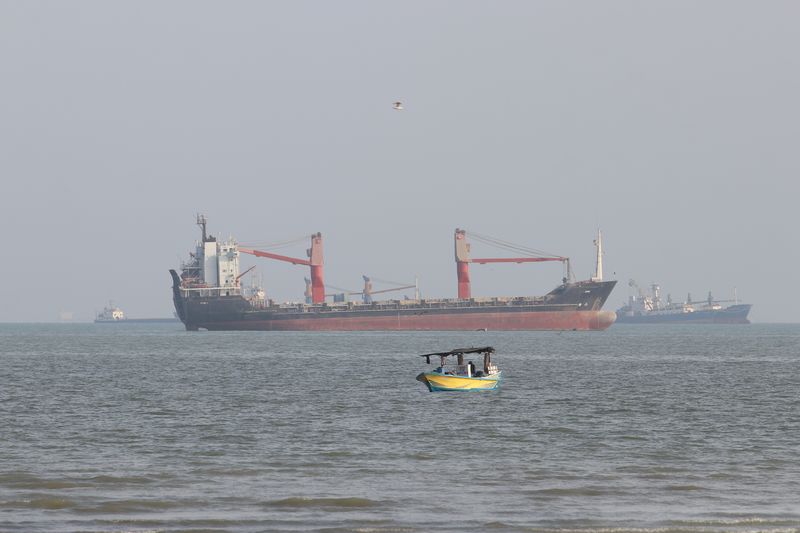
[Financial News] Despite a sharp rise in Iranian attacks on vessels transiting the Strait of Hormuz, crude oil exports appear to have been largely unaffected.
U.S. business news channel CNBC reported on the 30th (local time), citing energy analytics firm Kpler, that crude oil exports through the Strait of Hormuz averaged about 11.1 million barrels per day this month. That was about 2% lower than last month. Given that Iran has sharply increased its attacks on vessels in the Strait this month, the figures suggest that crude oil exports have faced little disruption.
There have been at least 30 attacks on vessels in the Strait of Hormuz this month, the highest number since the war broke out in late February.
In March, Iranian attacks on vessels drove crude oil exports through the Strait of Hormuz down sharply to as low as 1.8 million barrels per day. That was about 90% below the 16 million barrels per day recorded in February, before the war. Crude oil shipments quickly recovered after the U.S. military began protecting tankers transiting the Strait.
The shipping industry’s adoption of new transportation methods suited to wartime conditions has also helped keep crude oil shipments flowing. Tankers load crude oil at Persian Gulf ports, switch off their location transmitters, and transit the Strait of Hormuz. The oil is transferred to other tankers waiting in the Gulf of Oman, and those vessels carry it to refineries in Asia in a shuttle-style system. According to Kpler, as this transportation system became fully established, crude oil shipments through the Strait of Hormuz increased by more than 70% since July.
However, transportation costs have also surged. The cost of shipping a barrel of crude oil was $6.50 in early September, but jumped to $21 in early October.
[email protected] Kang Gu-gwi Reporter