Choo Mi-ae: “Gyeonggi Province’s finances need life support”; presses for fiscal decentralization with ruling-party lawmakers from Gyeonggi
- Input
- 2026-10-30 17:16:14
- Updated
- 2026-10-30 17:16:14
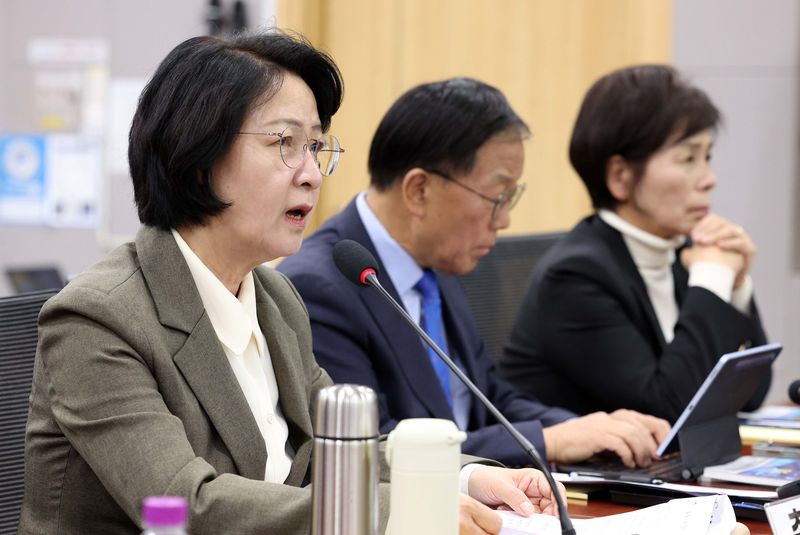
[Financial News] Ahead of the November budget session, Gyeonggi Province Governor Choo Mi-ae said that “Gyeonggi Province’s finances need to be put on life support” and joined Democratic Party of Korea lawmakers representing Gyeonggi constituencies in pressing the central government to expand fiscal decentralization.
At the policy forum on reforming the local tax system to expand local finances, held at the National Assembly on the 30th, Governor Choo appealed: “Even when businesses grow and incomes rise, that does not translate into tax revenue. With a revenue structure built on the construction-centered growth of the past, it is difficult to prepare for the future era of advanced industries and meet growing welfare needs.”
The core of the fiscal decentralization plan Governor Choo presented that day is to raise the local consumption tax rate, currently 25.3%, to 40.3% and transfer 5% of corporate tax revenue, a national tax, to metropolitan-level local governments. The plan also includes redirecting the local education tax levied on the tobacco consumption tax to fund firefighting.
The worsening fiscal conditions in Gyeonggi Province lie behind these demands. According to Governor Choo, the funds available to draw up next year’s main budget in Gyeonggi Province total 1.5 trillion won, down 2.5 trillion won from this year’s 4 trillion won.
A notable feature was the strong support from Democratic Party lawmakers representing Gyeonggi constituencies at the forum that day. Senior lawmakers including Kim Tae-nyeon and Yoon Hoo-deok served as co-hosts, and bills to amend relevant laws to raise the local consumption tax rate and transfer part of the corporate tax to local governments have also been submitted to the National Assembly. In effect, this elevated Gyeonggi Province’s fiscal difficulties from an issue for an individual local government to a political task of overhauling the central government’s revenue-sharing structure.
Rep. Yoon said, “It is absolutely not the case that the country lacks financial resources or budget. Local governments are struggling because of structural problems in their finances.” He also endorsed Governor Choo’s proposal to transfer 5% of corporate tax revenue to local governments, calling it “a truly reform-minded and good proposal.” Rep. Lee Kwang-jae, chair of the National Assembly’s Special Committee on Budget and Accounts, also attended the event that day. Noting that Gyeonggi Province does not receive the ordinary local allocation tax, he stressed, “It is time to pursue fundamental changes to the local consumption tax.”
Governor Choo also met on the 27th with Lee, the committee chair, and Democratic Party floor leader Han Byung-do to discuss ways to address Gyeonggi Province’s fiscal crisis. Just three days later, she again emphasized the need for fiscal decentralization alongside lawmakers representing Gyeonggi constituencies. The move is seen as an effort to advance tax reform discussions ahead of the November budget session, while strengthening ties with Gyeonggi’s political circles and broadening her policy influence within the ruling camp.
[email protected] Jiwon Song Reporter