“It’s changed from the hood up”... Hyundai’s All-New Tucson draws 15,000 orders on day one [Gittongchan Mobility]
- Input
- 2026-10-31 05:59:00
- Updated
- 2026-10-31 05:59:00
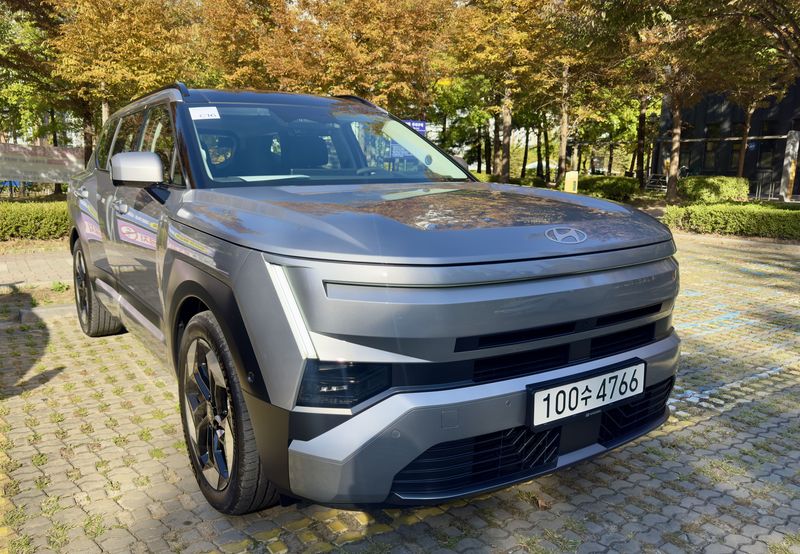
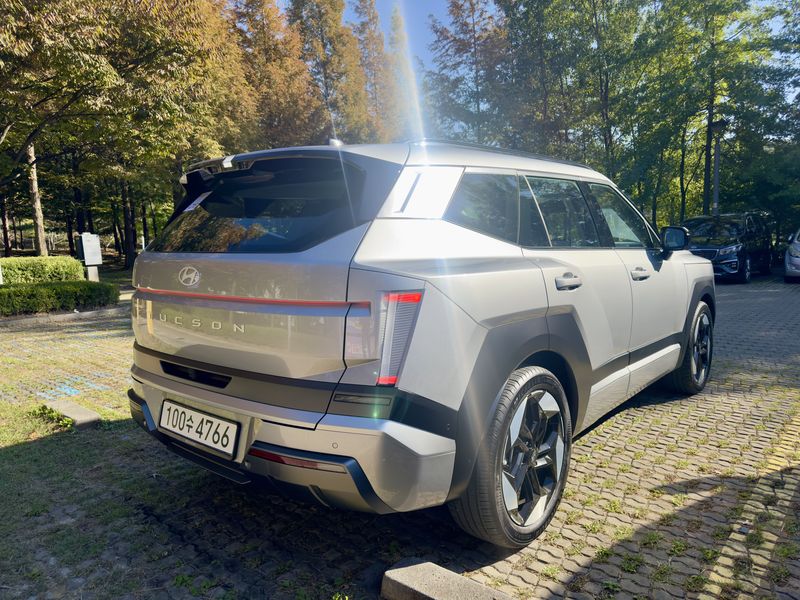
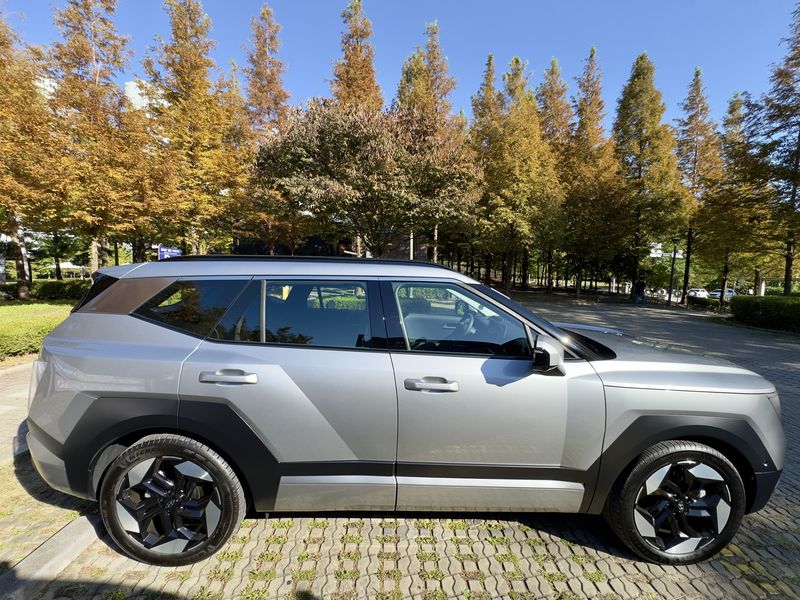
The 1.6-liter turbo gasoline model was driven on a roughly 90-kilometer round trip from Hyundai Motorstudio Goyang in Goyang, Gyeonggi Province, around Gimpo and back.
The first report card is impressive. According to Hyundai Motor Company, the All-New Hyundai Tucson received 15,045 contracts on the 21st, the first day orders opened. That tops the previous all-time Tucson record of 10,842 first-day contracts for the fourth generation, launched in September 2020. The Tucson debuted in 2004 and last year became the first SUV in the Hyundai Motor Group lineup to surpass 10 million in cumulative global sales.
Hyundai Motor Company first cited design and space as factors behind the model’s early success. Seeing it in person makes that easy to understand. Based on the “Art of Steel” design language, it translates the solidity of steel into surfaces and lines. The clamshell-type hood is 15% longer than before, and the height of the raised sections on either side has increased by 50%.
The fenders are sculpted more deeply, too. The shaping angle of the rear fenders has increased by about 13 degrees. At the front, vertical H-Edge Lighting daytime running lights and a horizontal slim center lamp with indirect lighting emphasize the vehicle’s width. At the rear, prism lamps feature patterns etched into their clear lenses.
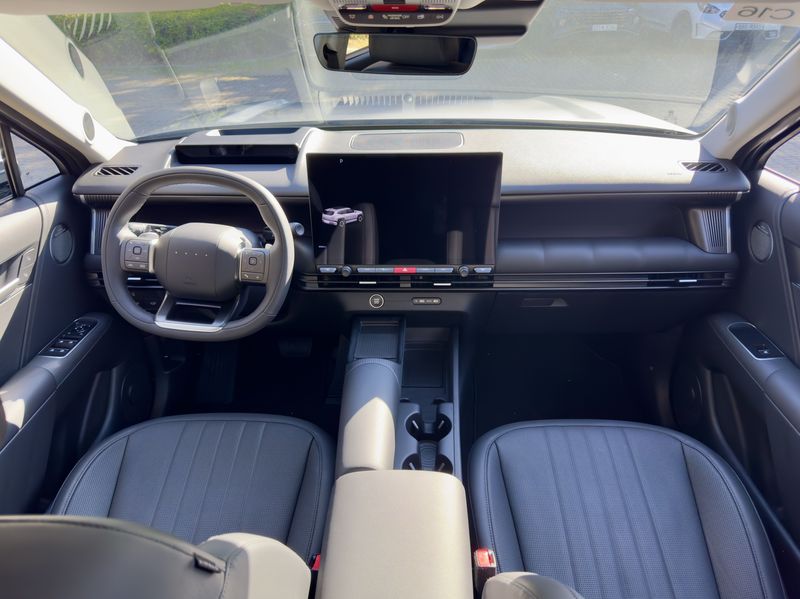
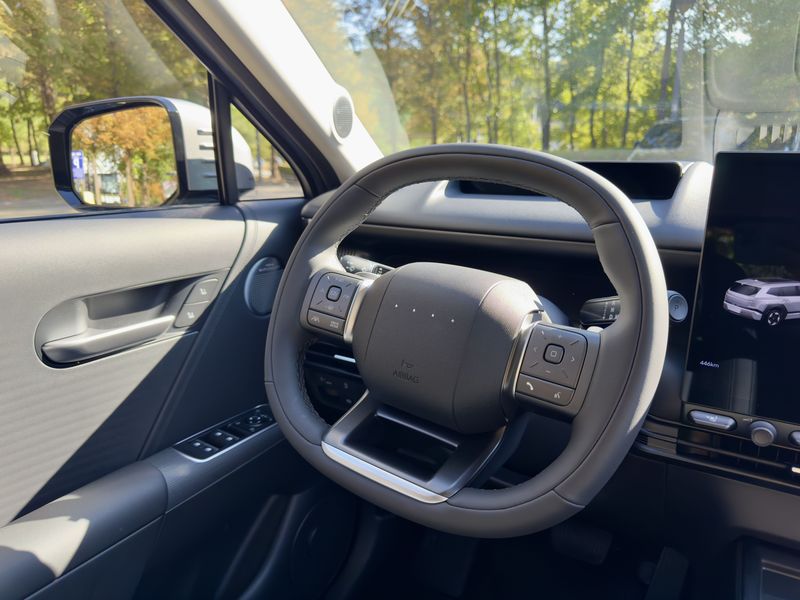
The second factor is the equipment. By trim, the top-of-the-line Inspiration accounted for the largest share of contracts at 44%, a substantial increase from 29% for the previous model. Priced at 37.9 million won for the gasoline version, it comes standard with Pleos Connect, based on a 17-inch display, Highway Driving Assist 2 and dual wireless smartphone charging.
The base H-Pick trim also accounted for 33%. Hyundai Motor Company attributes this to the upgraded standard equipment. The Tucson is the first Hyundai model to feature “door-unlock power redundancy,” which uses a separate power source to unlock the doors even if a collision cuts off the main power supply. Nine airbags are also standard across all trims. Regardless of trim, the B-pillars have been strengthened and thickened, increasing the occupant survival space in a side collision by about 22.7% compared with the previous model.
The 1.6-liter turbo gasoline model we drove produces 193 horsepower—13 more than before—and maximum torque of 27.0 kg·m, thanks to a larger-capacity turbocharger. It is paired with an eight-speed automatic transmission instead of the previous seven-speed dual-clutch transmission. For a quieter cabin, the front side windows have been replaced with 5 mm acoustic glass, 1 mm thicker than before, and the glass runs along the edges of the door windows are now seamless and integrated. Hyundai Motor Company has also, for the first time, used a dual-stopper setup in the transmission mount to control powertrain movement.
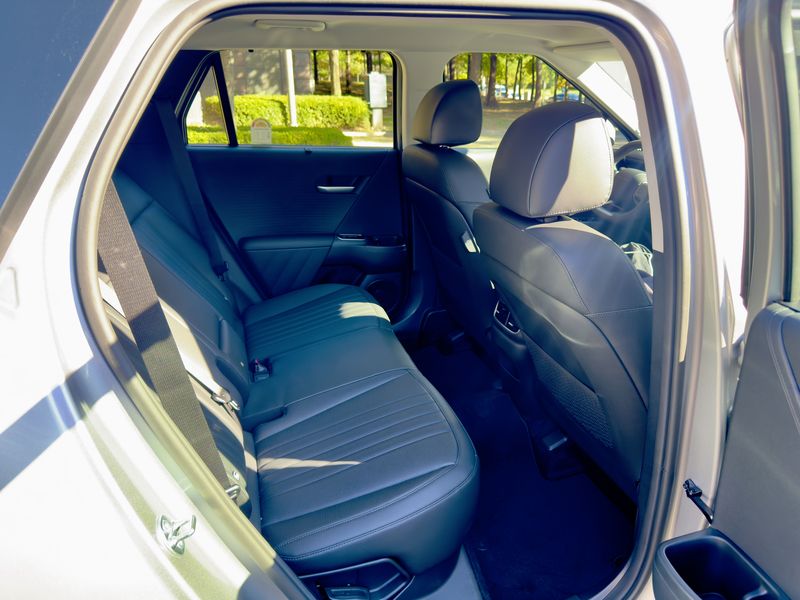
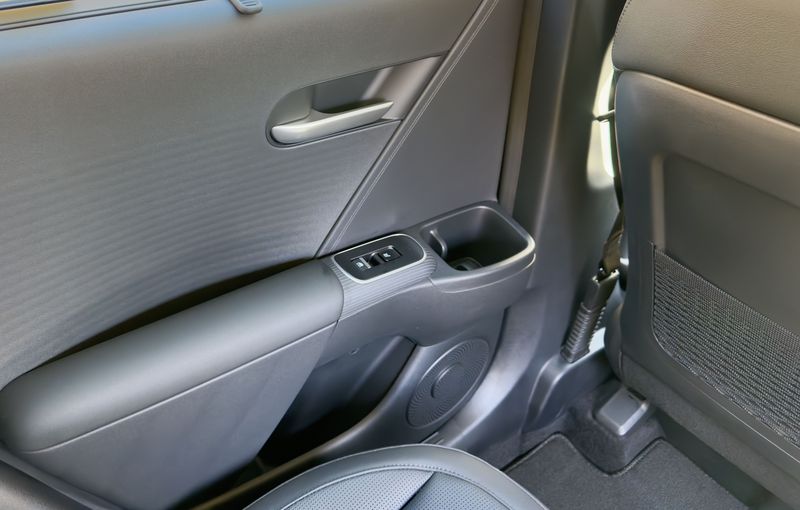
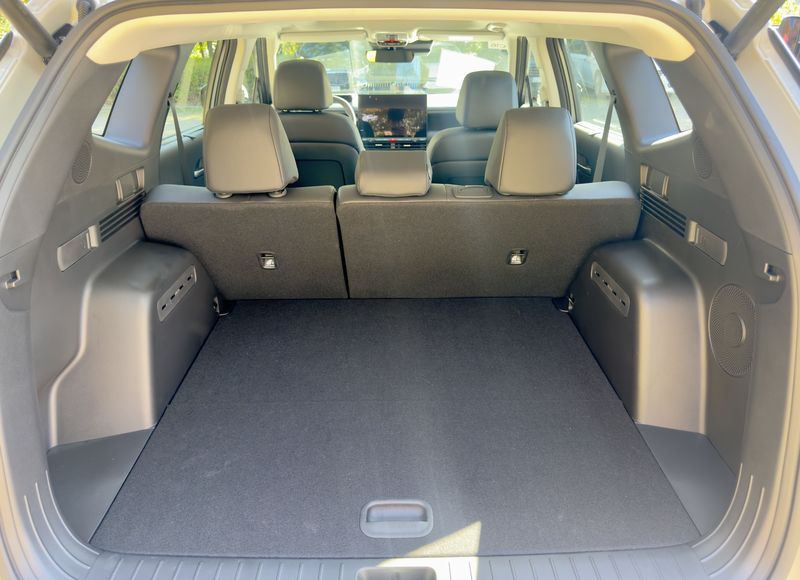
There are other points to consider. The gasoline model’s official combined fuel economy is 12.2 km/L, down 0.3 km/L from before (based on 17-inch tires and 2WD). Buyers also leaned toward the hybrid. Hybrids made up 55% of contracts, up from 48% for the previous model and surpassing gasoline versions. The hybrid delivers a system output of 245 horsepower and combined fuel economy of 17.4 km/L. Since the larger body may make narrow roads and parking more challenging, Hyundai Motor Company has added a class-first “memory reverse assist” feature that remembers the vehicle’s path and automatically steers while reversing.
The 1.6-liter turbo gasoline model is priced at 31.4 million won for H-Pick, 35.3 million won for Exclusive, 36.8 million won for XRT and 37.9 million won for Inspiration. The 1.6-liter turbo hybrid, with tax benefits applied, costs 36.15 million won, 39.9 million won, 41.65 million won and 42.7 million won, respectively.
[email protected] Kim Dong-chan Reporter