[New York Stocks] U.S. Nasdaq and semiconductor indexes fall in tandem on Alphabet shock
- Input
- 2026-10-30 06:16:35
- Updated
- 2026-10-30 06:16:35
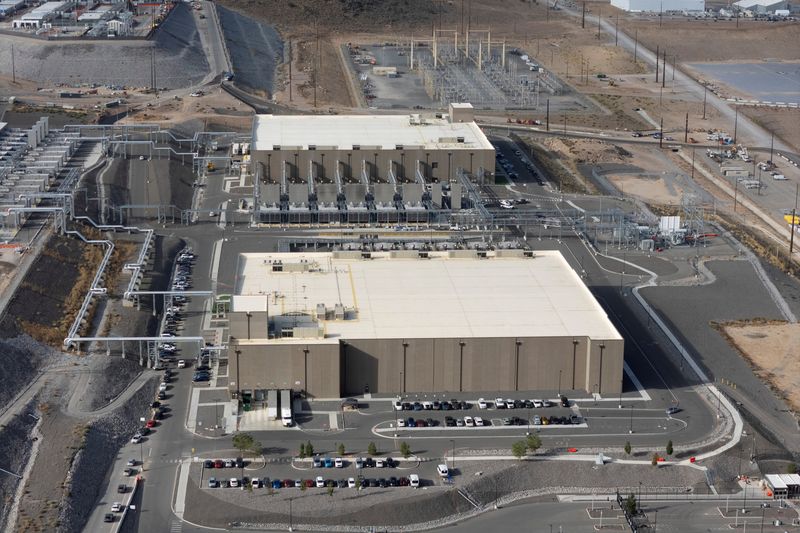
[Financial News] U.S. stocks fell across the board as concerns over excessive investment in AI semiconductors grew again. Semiconductor stocks, which had only just managed to rebound this month, plunged once more.
On the 29th (local time), the Dow Jones Industrial Average closed at 52,342.56, down 132.54 points (0.25%) from the previous session. The S&P 500 fell 23.59 points (0.30%) to 7,720.39, ending a three-session winning streak. The Nasdaq Composite closed at 26,184.72, down 365.13 points (1.37%).
Alphabet, Google’s parent company, suffered a record decline in its share price that day. It plunged 12.64% after third-quarter revenue came in below market expectations and cash outflows widened amid AI investment. Its market capitalization evaporated by about $500 billion (approximately 670 trillion won) in a single day.
In particular, it came to the fore that Google’s AI search service is less profitable than traditional search advertising, raising doubts about whether its massive AI investments can translate into actual profits.
Heavy-equipment maker Caterpillar also plunged 9.3%, despite third-quarter earnings beating expectations, as revenue in its construction equipment segment fell short of expectations. It was the company’s biggest drop since March 2020.
Semiconductor stocks also ended a four-session winning streak and turned lower. The Philadelphia Semiconductor Index (SOX), comprising 30 major semiconductor stocks listed in the United States, fell 1.42% to 11,518.20. The index had posted its longest stretch of weakness since October 2008 this month before rebounding, but has now turned lower again.
Micron plunged 4.98%, while AMD fell 2.08%, Broadcom 1.94% and Nvidia 0.80%. Intel also dropped 3.62%, and SK hynix’s U.S.-traded shares fell 1.58%.
Microsoft edged lower despite strength in its cloud business. CoreWeave and Nebius, AI data center infrastructure companies, also fell about 5% each.
By contrast, pharmaceutical company Eli Lilly and Company rose 6.6% after raising its earnings outlook on strong sales of its obesity treatment. Ford gained 12.4% on strong third-quarter revenue, while Merck rose 3.8% on better-than-expected earnings. The Russell 2000 Index, which is centered on small- and mid-cap stocks, rose 1%, diverging from the performance of large-cap technology stocks.
Corporate earnings have been generally solid. According to UK-based LSEG, 253 S&P 500 companies have reported third-quarter results, and 81% of them beat market expectations. Investors, however, are reacting more sensitively to the cash flow and profitability implications of AI investment than to earnings improvements themselves.
[email protected] Park Jong-won Reporter