Memory shortage trips up Intel as shares plunge 17%
- Input
- 2026-10-30 05:15:58
- Updated
- 2026-10-30 05:15:58
Intel announced on the 29th (local time) that revenue for the third quarter of this year was $16.5 billion, in line with market expectations. However, it forecast fourth-quarter revenue of $15 billion to $16 billion, well below Wall Street’s estimate of $17 billion.
Profitability concerns in particular heightened investor worries. Intel forecast that its gross margin would fall to 37% in the fourth quarter. The company said rising costs amid a global shortage of memory chips were putting pressure on profitability.
The rapid growth of the AI industry has sent demand for memory chips surging, worsening the supply shortage. Higher prices may improve profitability for memory chipmakers, but they are instead adding to costs for Intel, which buys memory chips and supplies semiconductor products for PCs and servers.
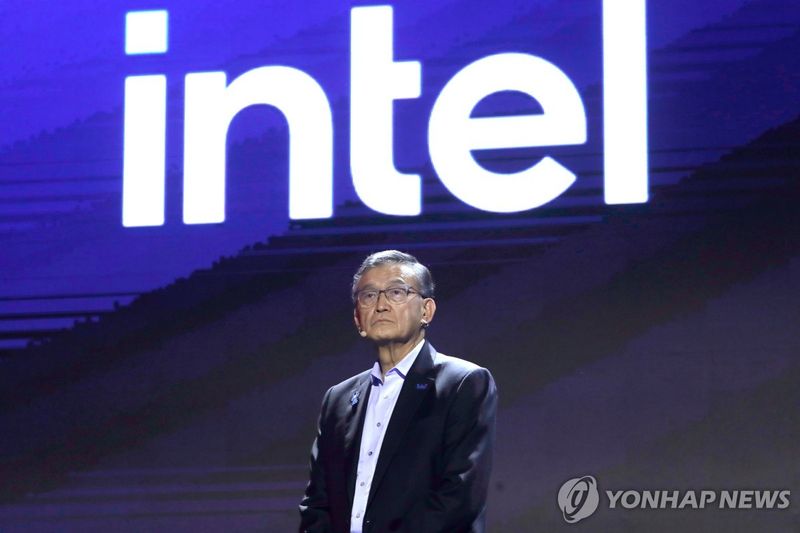
Intel CEO Lip-Bu Tan said, “We are moving urgently to secure the supply needed to expand semiconductor sales.”
By business segment, Intel’s Products business, which sells semiconductors for servers and PCs, generated $15.4 billion in revenue, in line with market expectations. Its foundry division, which provides contract chip manufacturing, posted revenue of $6.7 billion.
The outlook for the PC market is also bleak. Intel CFO David Zinsner expects the slowdown in the market to continue at least through the first half of next year.
This is Intel’s first earnings report since it issued $20 billion worth of new shares last August. After recording its fastest growth in 15 years last July and seeing its share price surge, Intel took advantage of the rally to raise substantial funds.
Support from the Trump administration played a decisive role in Intel’s rebound. Last year, the U.S. government converted several billion dollars in semiconductor manufacturing subsidies into an equity investment, securing a 10% stake in Intel. NVIDIA Corporation and Japan’s SoftBank Group Corp. later also made investments worth several billion dollars.
Tesla CEO Elon Musk also said he planned to work with Intel on the TeraFab project, a large-scale semiconductor manufacturing facility that SpaceX and Tesla are pursuing in Texas. Details of the project have not been disclosed, but the announcement helped raise market expectations for Intel’s potential recovery.
Rising demand for central processing units (CPUs) for AI data centers also supported improved results. Intel invested $4 billion in capital expenditures in the third quarter of this year, and its annual investment is expected to reach $20 billion.
However, it remains uncertain whether the massive investments will translate into actual profits. Under former CEO Pat Gelsinger, Intel invested in large-scale semiconductor manufacturing facilities but has struggled to secure external customers that would enable it to compete with Taiwan’s TSMC.
Intel shares have also turned weaker recently. They have risen more than 140% so far this year but have fallen at least 20% over the past month. Rising inflation, questions about the sustainability of increased AI data center investment, and growing corporate borrowing to fund AI investments have weighed on investor sentiment.
Meanwhile, Intel reported third-quarter net income of $3.3 billion. That figure reflects changes in the value of shares under its investment agreement with the U.S. government; adjusted net income was $2.8 billion.
[email protected] Correspondent Lee Byung-chul Reporter