Lagarde: “It’s uncomfortable to stay neutral” ... What lies behind her early resignation
- Input
- 2026-10-30 02:15:38
- Updated
- 2026-10-30 02:15:38
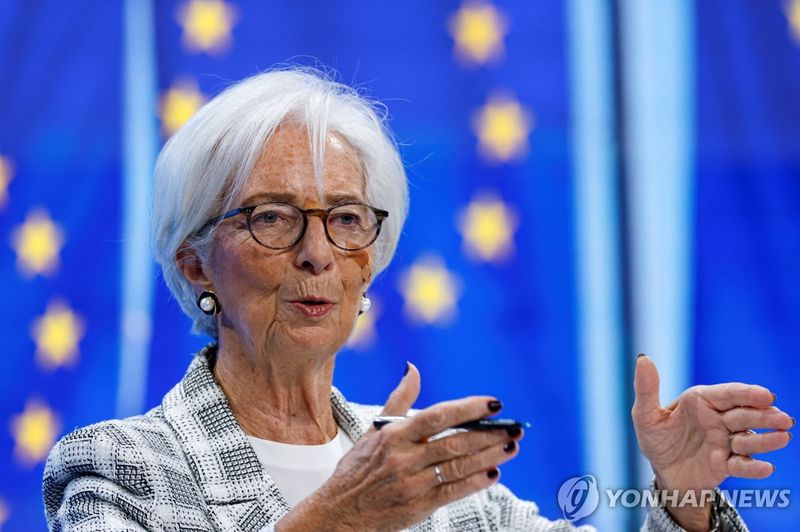
At a press conference following the ECB monetary policy meeting in Frankfurt am Main, Germany, on the 29th (local time), Lagarde said, “I think I can no longer remain neutral.” She went on to emphasize, “At this point, I don’t feel comfortable staying neutral. I care about the truth, but I see it being undermined and denied far too often through distorted language.”
She explained that she had changed her earlier position—that she could not leave the ECB while inflation risks remained—because the political neutrality required of a central bank president was restricting her freedom to speak. However, she did not specify which issues she wanted to speak out on.
After concluding the two-day monetary policy meeting that day, Lagarde personally informed her colleagues of her decision to resign. According to an official who attended the meeting, she reportedly became overcome with emotion several times and was unable to continue speaking as she read her resignation message.
Controversy over the timing of her resignation is growing in political circles. Lagarde will step down on February 7 next year, about eight months before the end of her original term in October 2027. This will allow the current European Union (EU) leadership to select a successor before France’s presidential election next spring.
The National Rally (RN), led by Le Pen, strongly criticized the decision. Jean-Philippe Tanguy, who handles Le Pen’s economic platform, called it “another insult directed at us” and said it was “regrettable.”
Lagarde did not answer a question about whether she had deliberately resigned early so that a successor could be chosen before France’s presidential election.
Meanwhile, the ECB held its key interest rate steady that day while warning of inflation risks from rising energy prices. Markets are discussing the possibility of another rate hike in December. The prevailing outlook is that monetary policy will remain continuous despite Lagarde’s early departure.
[email protected] Correspondent Lee Byung-chul Reporter