Former police officer sentenced to six years for helping launder voice-phishing proceeds
- Input
- 2026-10-29 17:11:32
- Updated
- 2026-10-29 17:11:32
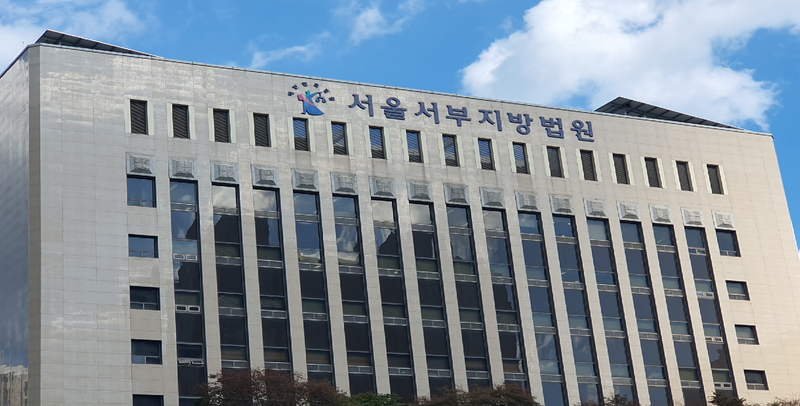
On the 29th, the 12th Criminal Division of the Seoul Western District Court, presided over by Judge Choi Jeong-in, sentenced Park, who was indicted on charges including fraud and violating the Act on the Regulation and Punishment of Criminal Proceeds Concealment, to six years in prison.
Park, a former police officer who retired upon reaching the mandatory retirement age, reportedly worked for about 10 years on an investigative team for intelligent crimes at a local police station before running a gift-certificate company.
The court also sentenced Shim, who was indicted in the same case, to six years in prison; Kim, a cash-withdrawal operative for the voice-phishing ring, to three years; and another Kim, who helped launder money through the gift-certificate company, to two years and six months. It sentenced Choi, another cash-withdrawal operative, to four months in prison, suspended for one year.
According to the court, from July to October 2023, people associated with the gift-certificate company, including Park, fabricated transactions to make it look as though gift certificates had been sold when members of the voice-phishing ring brought in checks they had withdrawn using victims’ money. They then laundered the criminal proceeds by returning the remaining amount in cash after deducting a fee at a set rate.
The criminal proceeds that the court found had been concealed by three people associated with the gift-certificate company, including Park, amounted to about 19.1 billion won.
Park and the others claimed during the trial that they had merely bought and sold gift certificates in the ordinary course of business and did not know the checks contained money taken from voice-phishing victims, but the court rejected their claim.
The court found the transactions difficult to regard as legitimate, citing, among other things, that the company provided gift certificates of its own choosing even though the buyers had not specified the type, and did not settle the difference in the transactions, unlike in ordinary gift-certificate trading.
The court also considered the discovery at some defendants’ homes and on their computers of notes describing methods to block the tracing of funds and conceal criminal proceeds, as well as criminal case documents, including a copy of an application for an arrest warrant for another person involved.
It was also confirmed that the company had received 17 requests from investigative authorities to cooperate with investigations related to deposits of fraud victims’ money between September 2022 and September 2023.
The court noted that the defendants’ crimes warranted serious punishment because they made it difficult to trace criminal proceeds and played an essential role in completing the crimes by enabling the proceeds to reach members of the organization. In determining the sentences, however, it took into account that the profits obtained from the crimes represented only part of the total losses and that some defendants had no prior record of similar offenses.
Earlier, the prosecution had sought a 10-year prison sentence for Park in September.
[email protected] Choi Seung-han Reporter