'Daejang-dong Development Corruption': Nam Wook's Cheongdam-dong Building Remains Under Asset-Preservation Order; Suit to Cancel It Dismissed
- Input
- 2026-10-29 15:25:32
- Updated
- 2026-10-29 15:25:32
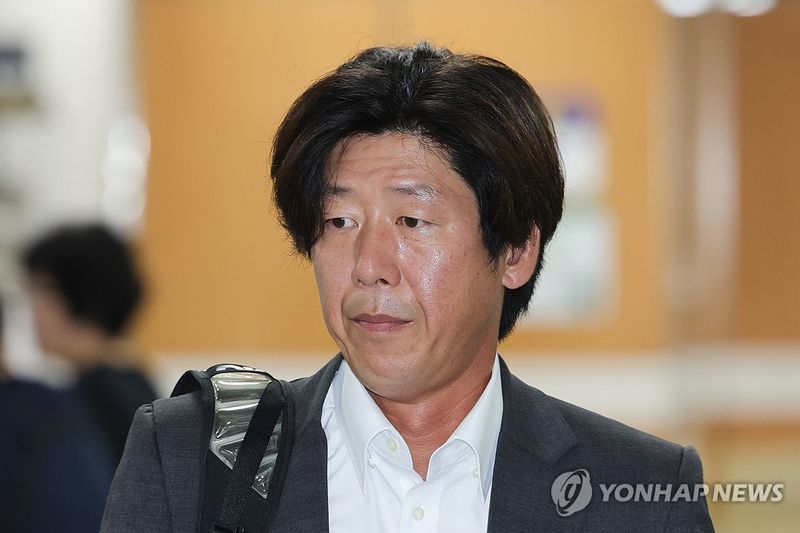
[Financial News] A building in Cheongdam-dong, Gangnam District, Seoul, identified as a nominee asset of lawyer Nam Wook, who was implicated in the “Daejang-dong development corruption” case, will remain under an asset-preservation order for collection. The court found that the building was Nam’s property.
The 47th Civil Division of the Seoul Central District Court, presided over by Judge Ha Seong-won, ruled on the 29th in a third-party objection suit brought by real estate investment and development company ID Asset against the Minister of Justice: “The plaintiff’s claim is dismissed, and the plaintiff shall bear the costs of the lawsuit.”
In 2022, during its investigation into allegations of preferential treatment in the Daejang-dong development project, prosecutors determined that lawyer Nam was the beneficial owner of the Cheongdam-dong building and sought an order to preserve it for collection. A provisional attachment was placed on the building on December 5, 2022, pursuant to the court’s preservation order.
ID Asset, the building’s registered owner, filed suit, saying, “ID Asset is both the registered titleholder and the actual owner of the property,” and arguing that “enforcement of a provisional attachment under an asset-preservation order premised on lawyer Nam being the beneficial owner should not be permitted.”
The government (the Ministry of Justice) countered that the preservation order and provisional attachment were justified because the property in substance belonged to lawyer Nam, regardless of whose name it was registered under.
The court dismissed ID Asset’s claim, saying, “The evidence submitted by the plaintiff alone is insufficient to establish that the property in this case does not belong to lawyer Nam and instead belongs to the plaintiff in substance.”
Citing Supreme Court precedent, the court stated, “‘A defendant’s property’ that may be barred from disposal through an asset-preservation order means property that in substance belongs to the defendant, regardless of whose name it is held under,” adding that “the same applies to an asset-preservation order issued against a suspect before indictment.”
The court also noted, “Although lawyer Nam or people associated with him provided the funds used by the plaintiff to acquire the property, the plaintiff took no steps to recover those funds, and the plaintiff company’s personnel, assets and sources of income are all connected to Nam and those around him.”
The court further found that “lawyer Nam was in a position to determine the sale price, timing and method for the property, as well as who would receive the proceeds, and acted as its beneficial owner by reviewing the legal issues that could arise throughout the process.”
Lawyer Nam is known as one of the people who led the Daejang-dong development project from its early stages. In October last year, he was found guilty at the first trial of occupational breach of trust and other charges and sentenced to four years in prison. He was taken into custody immediately after the first-instance ruling, but was released in April when his detention period expired amid delays in the appeal proceedings. The appeal trial is ongoing with him out of custody.
[email protected] Chang-hun Lee Reporter