Japan’s House of Representatives to shrink from 465 seats to 434; three ruling and opposition parties agree to biggest-ever cut
- Input
- 2026-10-29 14:44:52
- Updated
- 2026-10-29 14:44:52
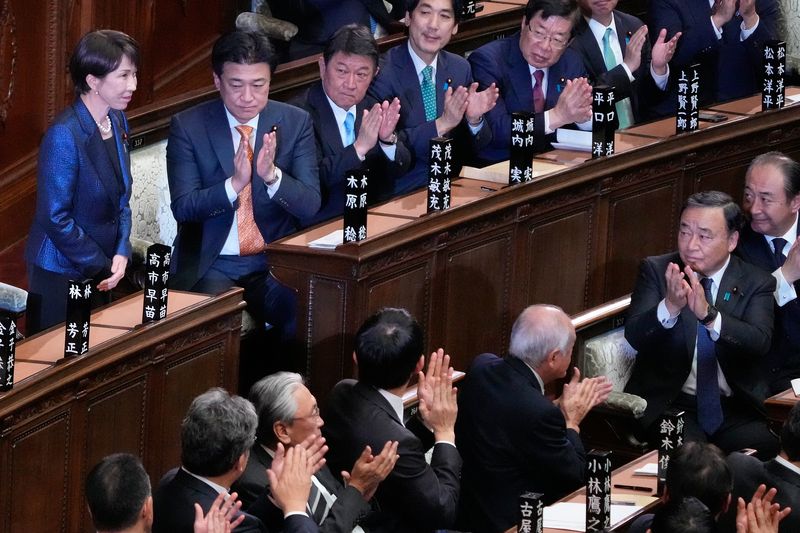
【TOKYO—Seo Hyejin, Financial News correspondent】Three Japanese parties from both the ruling and opposition camps have agreed on a proposal to reform the electoral system by reducing the number of seats in the House of Representatives (lower house) from the current 465 to 434. If passed, the bill would bring about the largest reduction in seats in the history of Japan’s electoral system.
According to the Asahi Shimbun and other media on the 29th, the ruling Liberal Democratic Party, its coalition partner the Japan Restoration Party, and the opposition Democratic Party for the People agreed the previous day on a compromise to cut 31 proportional representation seats at a meeting on electoral reform attended by ruling and opposition parties.
The three parties are set to draw up a formal agreement that day and jointly introduce a bill soon. With the Democratic Party for the People coming out in favor, the prospects for the bill’s passage during the extraordinary Diet session, scheduled to run through Dec. 12, have also improved.
If the reform proposal passes, the number of proportional representation seats in the House of Representatives will fall from the current 176 to 145. The 289 constituency seats will remain unchanged, reducing the total number of seats from 465 to 434.
Japan is set to see its first reduction in House of Representatives seats in nine years, since 2017. It will be the fourth since the parallel system of single-member districts and proportional representation was introduced in 1996, and the cut will exceed the previous record of 20 seats, set in 2000.
The Liberal Democratic Party and the Japan Restoration Party initially sought to cut 45 proportional representation seats, about 10% of the total, but faced opposition from other parties. The Liberal Democratic Party then proposed reducing the cut to 31 seats instead and introducing a seat-allocation method relatively favorable to small and medium-sized parties, as well as a “joint list system” under which multiple parties draw up a shared list of candidates. This secured the Democratic Party for the People’s support.
The Constitutional Democratic Party of Japan, the main opposition party, and others are pushing back, saying there is insufficient rational justification for reducing the number of seats. They argue that the ruling parties are using their majority to change the electoral system in a way that benefits their own parties.
However, observers say the bill is likely to pass by the end of the year, since the Liberal Democratic Party, the Japan Restoration Party and the Democratic Party for the People together hold more than a majority in both the House of Representatives and the House of Councillors (upper house).
[email protected] Seo Hyejin Reporter