Samsung C&T Shareholders Lose First-Instance Suit Over 'Unfair Merger' with Cheil Industries; Court Finds No Illegality by Lee Jae-yong or Executives
- Input
- 2026-10-29 11:07:50
- Updated
- 2026-10-29 11:07:50
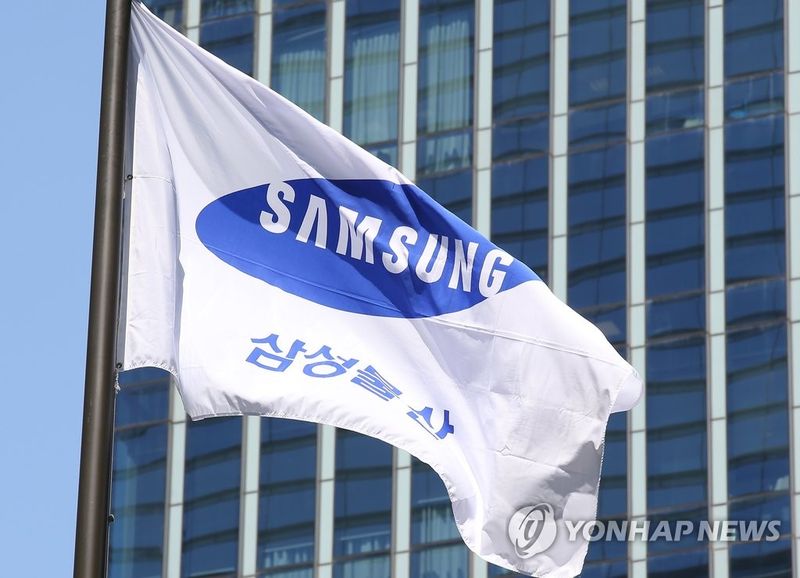
[Financial News] Former Samsung C&T shareholders lost a damages suit they filed over what they alleged was the unfairness of its merger with Cheil Industries, pursued in 2015. The court rejected claims that the merger between Samsung C&T and Cheil Industries was carried out for purposes including Lee Jae-yong's illegal succession at Samsung Electronics Co., Ltd.
On the 29th, Civil Division 30 of the Seoul Central District Court, presided over by Judge Kim Seok-beom, dismissed all claims brought by the plaintiffs in a damages suit filed by 27 former Samsung C&T shareholders, including Sim Jin-seop, against Samsung C&T Corporation, Chairman Lee Jae-yong, and former Samsung C&T board members.
In September 2015, Cheil Industries absorbed the former Samsung C&T in a merger, and the combined company launched as Samsung C&T. The shareholders argued that the merger ratio set for the two companies, 1 to 0.3500885, was grossly unfair to the former Samsung C&T. They also alleged illegality in the process, including the National Pension Service (NPS) casting a vote in favor under improper instructions. The shareholders filed suit in 2020, citing the merger's illegality.
The first-instance court found no illegality in the merger's purpose, ratio, or procedures.
The court said, "The former Samsung C&T pursued the merger after considering business objectives such as stabilizing its business and management, enhancing asset value, improving its financial structure, and securing growth drivers." It added, "It is difficult to conclude that the merger's sole purpose was to strengthen Lee's control over Samsung Group."
Regarding the disputed merger ratio, the court explained, "It was calculated based on share values and following an assessment by an external professional appraisal institution, in accordance with the Capital Markets Act and related regulations." It added, "Unless there are special circumstances indicating that market share prices were deliberately manipulated or that conduct prohibited by law was involved, the ratio cannot be deemed grossly unfair solely because it does not align with indicators such as asset size or asset value."
The court also found no evidence that the former Samsung C&T directors had given only formal approval during the merger approval process, or that the NPS had voted in favor after receiving improper instructions.
Accordingly, all claims seeking damages from the board members at the time were rejected. The court said, "The directors thoroughly reviewed the financial situation, business difficulties, the appropriateness of the merger's timing and ratio, and the benefits of the merger, and approved it in the company's business interests." It added, "No conflict of interest or breach of the duties of care and loyalty was established."
Ruling on the claim that the principle of equal treatment of shareholders had been violated, the court said, "The principle requires shareholders to receive equal treatment, in proportion to the number of shares they hold, in their legal relations with a company. It cannot be extended to apply among shareholders of different companies."
The court dismissed all claims, saying that claims for damages based on joint torts could not be sustained because they presupposed that Lee and Samsung C&T Corporation had participated in unlawful acts.
[email protected] Chang-hun Lee Reporter