Jeju Air Adds New B737-8 Aircraft, Boosting Fuel Efficiency Amid High Oil Prices
- Input
- 2026-10-29 11:07:22
- Updated
- 2026-10-29 11:07:22
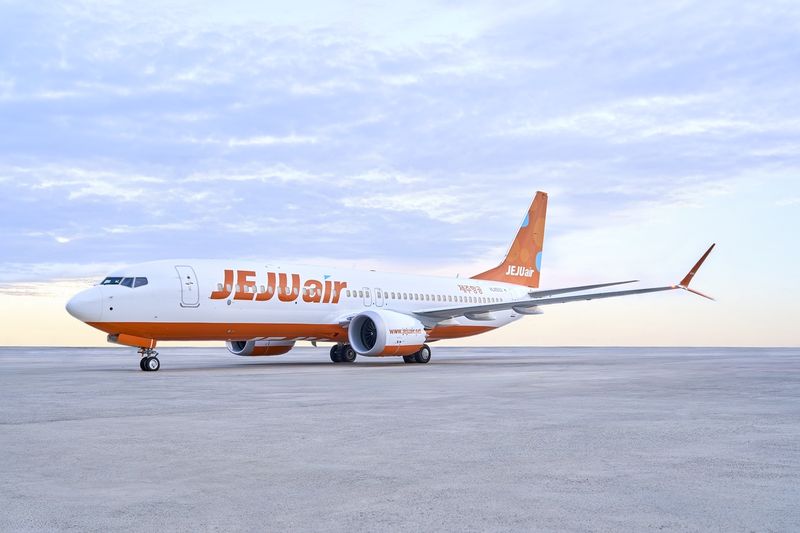
[Financial News] Jeju Air is accelerating fleet modernization by expanding its introduction of next-generation aircraft. Its strategy is to increase the share of newer, fuel-efficient aircraft to ease cost pressures from high oil prices and improve operational efficiency.
Jeju Air said on the 29th that it had purchased and taken delivery of its 14th next-generation B737-8 aircraft on the 28th. The new aircraft is expected to enter service after completing relevant procedures, including airworthiness certification by the relevant authorities.
With this delivery, Jeju Air’s B737-8 fleet grew to 14 aircraft, accounting for 32.6% of its total passenger fleet of 43 aircraft. The number of purchased aircraft also rose to 15, bringing their share of the total passenger fleet to 34.9%. As deliveries of new aircraft continue, the average age of the overall fleet has fallen to 11.4 years. Jeju Air plans to purchase and take delivery of one more B737-8 this year.
The B737-8 is more fuel-efficient than previous models and has longer intervals between parts replacements, making it advantageous for reducing maintenance, repair and overhaul (MRO) costs. According to its manufacturer, The Boeing Company, it can reduce fuel consumption and carbon dioxide emissions by at least 15% compared with previous models.
Jeju Air believes that expanding its introduction of new aircraft has partly eased the burden of fuel costs amid high oil prices. According to Opinet, the oil price information system run by Korea National Oil Corporation (KNOC), the average price of kerosene, the main ingredient in aviation fuel, was $140.80 per barrel in the first half of this year, up 64.4% from $85.65 in the same period last year. By contrast, Jeju Air’s fuel costs rose 42.6% over the same period, below the increase in kerosene prices.
Jeju Air’s B737-8 fleet grew by seven aircraft, from five in the first half of last year to 12 in the first half of this year. The number of flights over the same period also increased 8.8% year on year. Improvements in fuel efficiency from introducing newer aircraft are seen as having helped ease the burden of rising fuel costs.
Jeju Air plans to continue modernizing its fleet by introducing newer aircraft and returning or disposing of older ones. A Jeju Air official said, “In a high-oil-price environment, introducing new, fuel-efficient aircraft plays an important role in easing operating cost pressures,” adding, “We plan to improve operational efficiency through fleet modernization and further strengthen the foundation for sustainable growth.”
[email protected] Jung Won-il Reporter