Samsung's semiconductor business posts record-high Q3 operating profit of 106.5 trillion won, with HBM4 driving results
- Input
- 2026-10-29 10:18:05
- Updated
- 2026-10-29 10:18:05
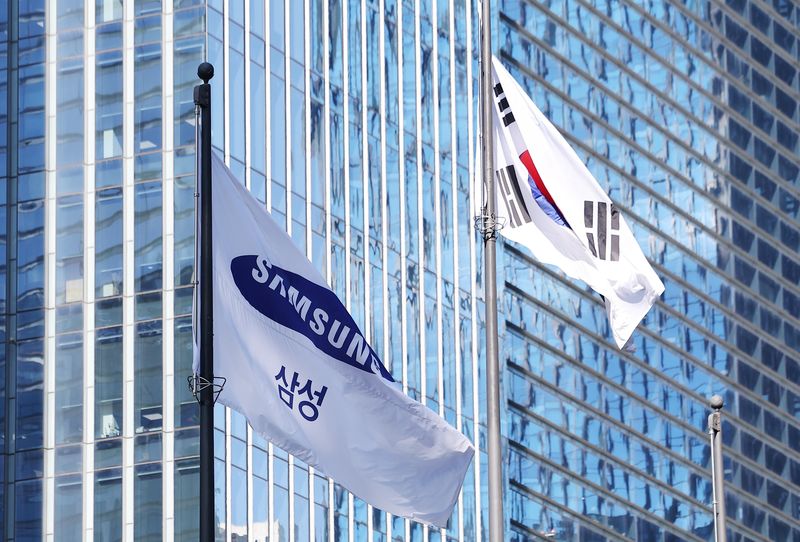
[Financial News] Samsung Electronics Co., Ltd. posted record results in the third quarter of this year, driven by growing demand for artificial intelligence (AI) semiconductors. Expanded sales of high-bandwidth memory (HBM) and server solid-state drives (SSDs) helped it become the first global tech company to surpass 100 trillion won in quarterly operating profit.
Samsung Electronics Co., Ltd. announced on the 29th that, on a consolidated basis, it recorded revenue of 195 trillion 253.2 billion won and operating profit of 107 trillion 440.5 billion won in the third quarter of this year. These figures were up 126.88% and 783.11%, respectively, from the same period a year earlier. Revenue and operating profit both set new all-time highs for the fourth consecutive quarter.
The Device Solutions Division (DS Division), which oversees the semiconductor business, recorded revenue of 147.1 trillion won and operating profit of 106.5 trillion won. It achieved its highest-ever quarterly results by sharply expanding sales of HBM4 (sixth generation) and actively responding to growing demand for server SSDs. The foundry (contract semiconductor manufacturing) business also saw a significant improvement in performance, helped by higher revenue from HBM base dies and increased sales of leading-edge process technology.
The Device eXperience Division (DX Division) recorded revenue of 52.1 trillion won and an operating loss of 800 billion won. Revenue rose thanks to the launch of premium new products such as the Samsung Galaxy Z Fold 8, but results were affected by higher costs due to rising memory prices and deteriorating profitability in the home appliance and network businesses.
Samsung Electronics Co., Ltd. said, “Strong demand for semiconductors, driven by increased investment in AI infrastructure, is expected to continue in the fourth quarter.” It added, “The DS Division plans to expand sales of high-value-added semiconductors in response to the spread of agentic AI, while the DX Division will step up sales of premium products during the year-end peak season to secure profitability.”
[email protected] Lim Su-bin Reporter