24-hour specialist care now available for critically ill pediatric emergency patients in Jeonnam-Gwangju, too
- Input
- 2026-10-29 08:56:49
- Updated
- 2026-10-29 08:56:49
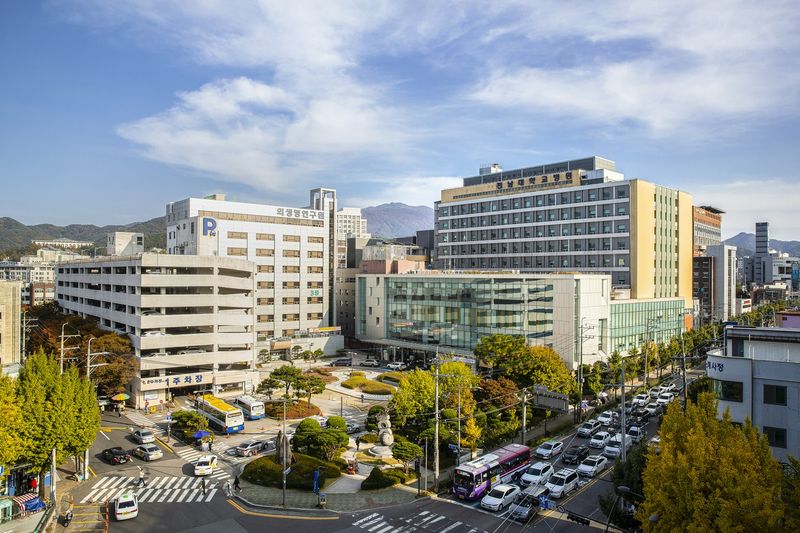
【Financial News, Jeonnam-Gwangju = Hwang Tae-jong, Staff Writer】Twenty-four-hour specialist care for critically ill pediatric emergency patients is now available in Jeonnam-Gwangju, too.
According to Jeonnam-Gwangju Special Metropolitan City (Gwangju Special Metropolitan City) on the 29th, Chonnam National University Hospital will operate the Ministry of Health and Welfare-designated Pediatric Specialized Emergency Medical Center, the first of its kind in the Jeonnam-Gwangju region, for three years starting November 1. This will make specialized care available for critically ill pediatric emergency patients at night and on holidays as well.
There are 15 Pediatric Specialized Emergency Medical Centers nationwide. Chonnam National University Hospital’s center will serve as a regional hub for essential pediatric care, linking services for critically ill pediatric emergency patients in the Jeonnam-Gwangju region from initial response through admission to a pediatric intensive care unit and definitive treatment, including emergency surgery and procedures.
Pediatric emergency patients need a prompt, specialized care system distinct from that for adults because of age-specific physiological characteristics. The Jeonnam-Gwangju region combines urban areas with rural, fishing and island communities, making it especially significant that a response system is now in place to ensure rapid transport, specialized care and definitive treatment when a critically ill child needs help at night or on a holiday.
Park Jong-pil, director general of the Citizen Health Bureau at Gwangju Special Metropolitan City, said, "Emergency care for children is a core area of essential medical care where a response in a single moment is directly linked to life. With the operation of Chonnam National University Hospital’s Pediatric Specialized Emergency Medical Center as an opportunity, we will work to strengthen cooperation with medical institutions and expand the safety net so that children can receive the best emergency care at the right time, wherever they live in the region."
Gwangju Special Metropolitan City will invest a total of 2.82 billion won this year to support essential pediatric medical infrastructure, with the aims of easing overcrowding in pediatric emergency rooms and strengthening the 24-hour specialist care system for critically ill pediatric emergency patients.
It will also provide 2 billion won to support the operation of 12 Moonlight Children's Hospitals and one public late-night children's hospital, in order to reduce gaps in care for children with mild conditions at night and on holidays.
In addition, the city plans to provide 820 million won to three pediatric clinics in underserved areas with limited access to medical care, to reduce disparities in healthcare between regions.
Park Jong-pil, director general of the Citizen Health Bureau, said, "We plan to explain the roles of each emergency medical institution and how to use its services, advising patients with mild symptoms to first go to a Moonlight Children's Hospital or a nearby pediatric clinic, and those with severe or moderately severe conditions to use a Pediatric Specialized Emergency Medical Center."
[email protected] Hwang Tae-jong Reporter