Gangwon State’s population trend rebounds, with both in-migration and births on the rise
- Input
- 2026-10-29 09:13:02
- Updated
- 2026-10-29 09:13:02
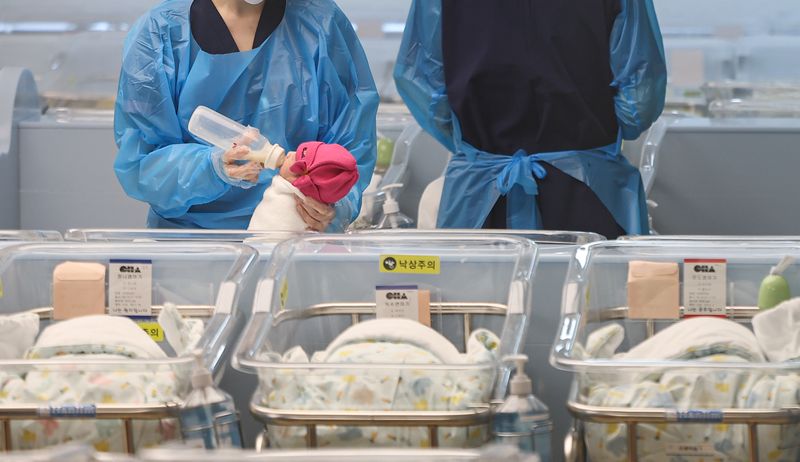
【Financial News, Chuncheon = Kim Gi-seop, correspondent】As the stream of people in their 20s leaving has noticeably slowed and the sound of babies crying has grown louder for 15 straight months, Gangwon State’s population indicators have at last flashed a sign of a rebound.
According to the Ministry of Data and Statistics on the 28th, Gangwon State had a net inflow of 918 people in the third quarter (July–September) of this year, 2.9 times the 319 recorded in the same period last year. For five consecutive quarters since the third quarter of last year, more people have moved into Gangwon State than have left. In September alone, 473 people moved in on net, ranking the state fourth nationwide after Incheon, South Chungcheong and North Chungcheong.
The increase in net inflows this time was due less to more people moving in than to fewer people moving out. In the third quarter, 15,364 people moved to Gangwon State from other provinces, down 2,324 from a year earlier, while the number leaving for other provinces fell by 2,923 to 14,446. The Chuseok holiday and a slowdown in housing transactions also played a role, as the number of people moving nationwide in the third quarter fell to its lowest level since 1973.
People in their 20s were the main force behind the shift. Their net outflow in the third quarter fell by 534, from 747 last year to 213 this year, accounting for 89% of the increase in the province’s overall net inflow (599). People in their 30s shifted from a net outflow of 55 in the third quarter last year to a net inflow of 28 this year, while those in their 50s (306) and 60s (500) continued to bolster net inflows.
However, the concentration of inflows in particular areas remains a challenge. Net inflows were concentrated in Wonju-si (898) and Hwacheon County (455); the other 16 cities and counties combined recorded a net outflow of 435. Nine cities and counties, including Inje (137), Chuncheon (126), Samcheok (107) and Taebaek (106), saw more people leave than arrive. In Wonju, about half of the net inflow consisted of people who had moved from other cities and counties within the province.
Birth indicators also continued to rise. In August, 612 babies were born in the province, up 65 (11.9%) from a year earlier. Births have increased for 15 consecutive months since June last year, breaking the longest-running record since statistics began in 1981. From January to August, 4,998 babies were born, up 562 (12.7%); this was the highest growth rate for the same period since 1982, the earliest year for which comparisons are available.
Marriage, a leading indicator of future births, is also picking up. There were 4,191 marriages in the province from January to August, up 117 (2.9%) and the highest number in seven years since 2019. Marriages in August rose for the third consecutive month, in contrast to a 1.2% decline nationwide that month.
Mothers in their late 30s drove the rebound in births. Last year, mothers aged 35–39 in the province gave birth to 1,791 babies, up 176 (10.9%), exceeding the provincewide increase of 85. However, while the number of firstborn children rose by 210, the number of secondborn children fell by 114, and births from January to August this year were still 694 lower than in 2019, before the COVID-19 pandemic.
“Births are steadily increasing as marriages become more common, the population in their 30s grows, and attitudes toward having children become more favorable than before,” an official with the Ministry of Data and Statistics said. “In particular, a clear rebound is emerging, centered on mothers in their late 30s and firstborn children,” the official said.
[email protected] Kim Gi-seop Reporter