Trump deems imports of robots and industrial machinery a national security threat; additional tariffs possible
- Input
- 2026-10-29 06:52:34
- Updated
- 2026-10-29 06:52:34
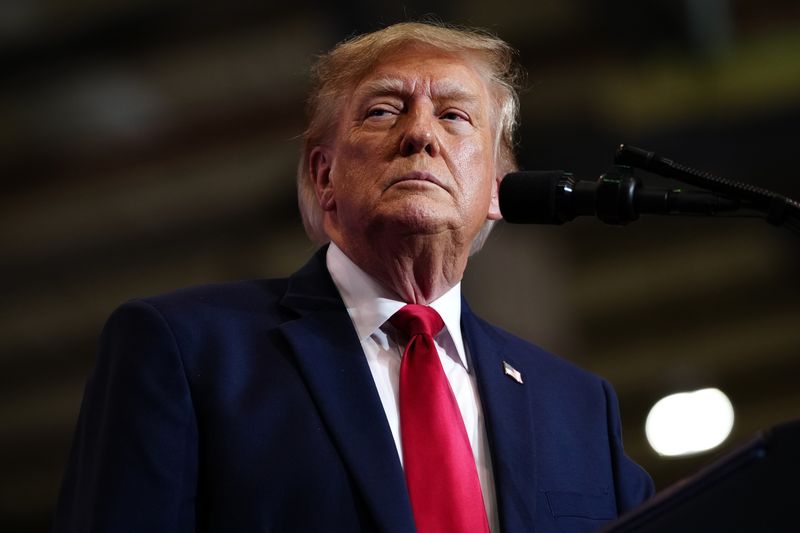
[Financial News] U.S. President Donald Trump on the 28th (local time) determined that imports of robots, industrial machinery and related parts threaten U.S. national security, and directed that negotiations be pursued with trading partners.
The White House said President Trump signed a proclamation to that effect that day under Section 232.
The proclamation does not impose tariffs immediately, but additional import restrictions, such as tariffs or import quotas, could be considered depending on the progress and outcome of the negotiations.
According to the proclamation, the U.S. Department of Commerce found in its investigation that most types of robots, industrial machinery and related parts rely on imports from abroad, raising concerns that this could weaken the U.S. industrial base and long-term competitiveness.
It noted in particular that robots and industrial machinery are essential to producing major defense products, including missiles, aircraft and naval vessels, and that foreign-made equipment could pose cybersecurity risks while processing and storing sensitive information.
Trump therefore directed the Department of Commerce and the Office of the U.S. Trade Representative (USTR) to negotiate with the relevant trading partners and report on the progress of the negotiations within 180 days of the proclamation’s signing.
The Trump administration has expanded product-specific tariff measures, including imposing high tariffs on steel and aluminum, automobiles and auto parts, using Section 232 of the Trade Expansion Act of 1962, which allows imports to be restricted on national security grounds.
In particular, since the U.S. Supreme Court ruled last February that reciprocal tariffs and other measures based on the International Emergency Economic Powers Act (IEEPA) were invalid, the administration has pursued tariff measures to replace the existing reciprocal tariffs using Section 232 and Section 301 of the Trade Act of 1974, among other provisions.
[email protected] Lee Seok-woo, international affairs specialist Reporter