Standardizing Art Appraisal Reports and Certificates of Authenticity, MCST Issues Two Notices
- Input
- 2026-10-29 08:00:00
- Updated
- 2026-10-29 08:00:00
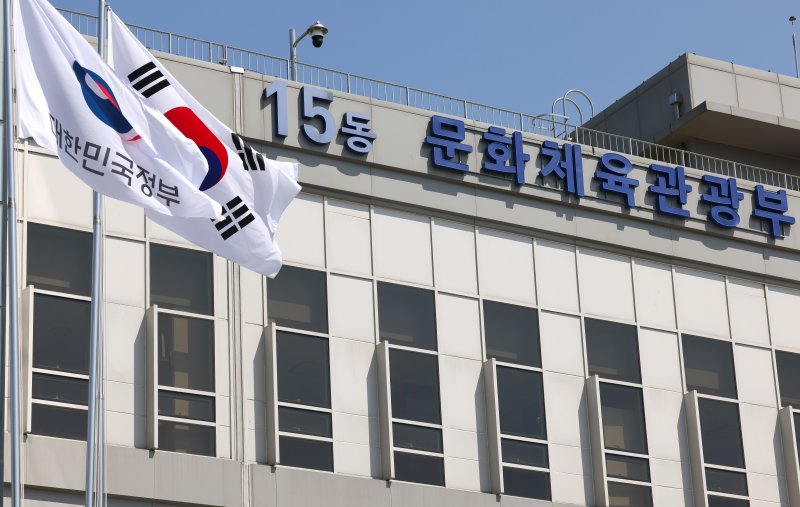
The Ministry of Culture, Sports and Tourism announced on the 29th that it would establish two notices under the Art Promotion Act: the Notice on Art Appraisal Reports and the Notice on Certificates of Authenticity for Artworks.
Appraisal reports are divided into “authenticity appraisal reports,” which provide a professional opinion on whether an artwork is genuine, and “price appraisal reports,” which express its artistic, cultural and historical value in economic terms.
Both types of appraisal reports must include basic information such as the artist’s name, title of the work, year of creation, dimensions and images, as well as the grounds for and results of the appraisal. A price appraisal report must also state the valuation date and purpose, the appraiser’s background, and whether the appraiser has any interests in the artwork. This means stating whether the appraiser has been involved in consigning the work for sale, exhibiting it, consulting on it or similar activities within the past three years.
The Art Promotion Act also requires art appraisal businesses to conduct appraisals fairly and independently of clients or other art service providers, and prohibits them from issuing false appraisal reports.
Only art appraisal businesses registered under the law may issue appraisal reports. Anyone operating an art appraisal business without registering is subject to an administrative fine of up to 5 million won, while issuing a report in a format that differs from the notices may result in administrative sanctions, including closure of the business. However, no administrative sanctions or fines will be imposed through July 25 next year, the end of the guidance period for the art service business registration system.
A certificate of authenticity is a document in which the artist or an art service provider confirms that a work is genuine and guarantees the information stated in it. Buyers may request one, and artists or art service providers must inform buyers before a sale if they are unable to issue one.
A certificate of authenticity must include information about the artwork, the guarantee and details such as the purchase date and place. When an art service provider issues one, it must also include the artist’s signature and seal.
A certificate of authenticity may be replaced by: (1) an art appraisal report; (2) transaction records from a gallery, auction house or similar business that can verify the transfer of ownership from the artist; or (3) a document issued by an art service provider that contains the information required for a certificate of authenticity. The artist’s signature and seal may be omitted from the third type of document if they are difficult to obtain. When issuing a substitute document, the issuer must also submit documentation proving that a certificate of authenticity cannot be issued.
The MCST plans to distribute practical guidelines for preparing appraisal reports and certificates of authenticity at the end of the year. Jeong Hyang-mi, head of the MCST’s Office of Culture and Arts Policy, said, “Alongside protecting consumers, we will spare no effort in sustaining our attention and investment in standardizing and systematizing art appraisals.”
[email protected] Jang In-seo Reporter